Acne scar reduction: Flawless Skin Guide 2025
Understanding Acne Scars and What You Can Do About Them
Acne scar reduction is possible through a variety of professional treatments designed to improve skin texture and appearance. For the many people whose acne leaves behind persistent scars, modern dermatology offers effective solutions that can restore confidence.
Quick Answer: Best Treatments for Acne Scar Reduction
- Laser Resurfacing: Uses light to stimulate collagen and resurface damaged skin.
- Microneedling: Creates micro-injuries to trigger natural healing and collagen growth.
- Chemical Peels: Exfoliates damaged skin to encourage new cell growth.
- Dermal Fillers: Injects volume into depressed scars for immediate correction.
- RF Microneedling: Combines microneedling with thermal energy for improved collagen remodeling.
- Subcision: Releases fibrous bands to lift depressed scars.
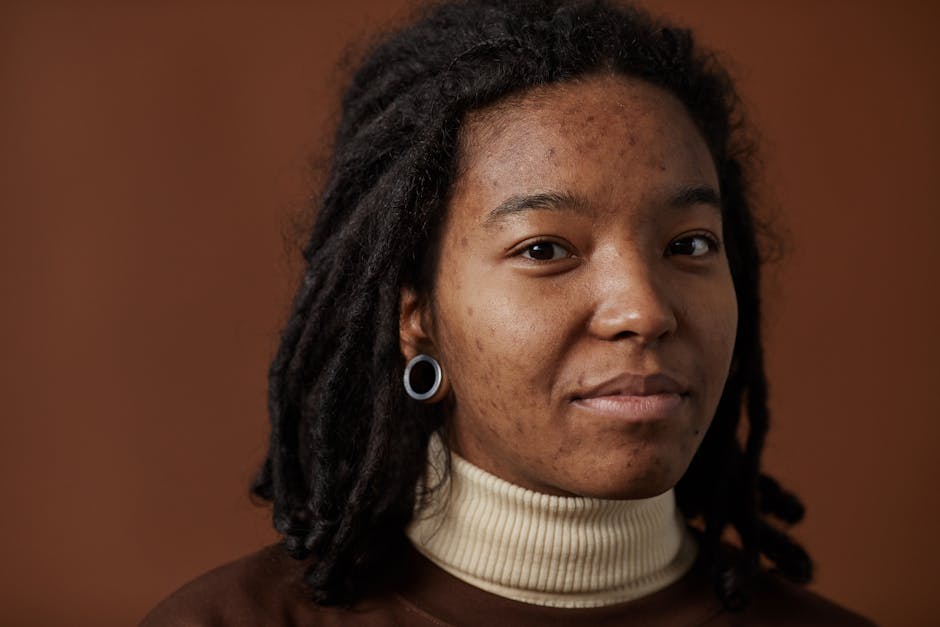
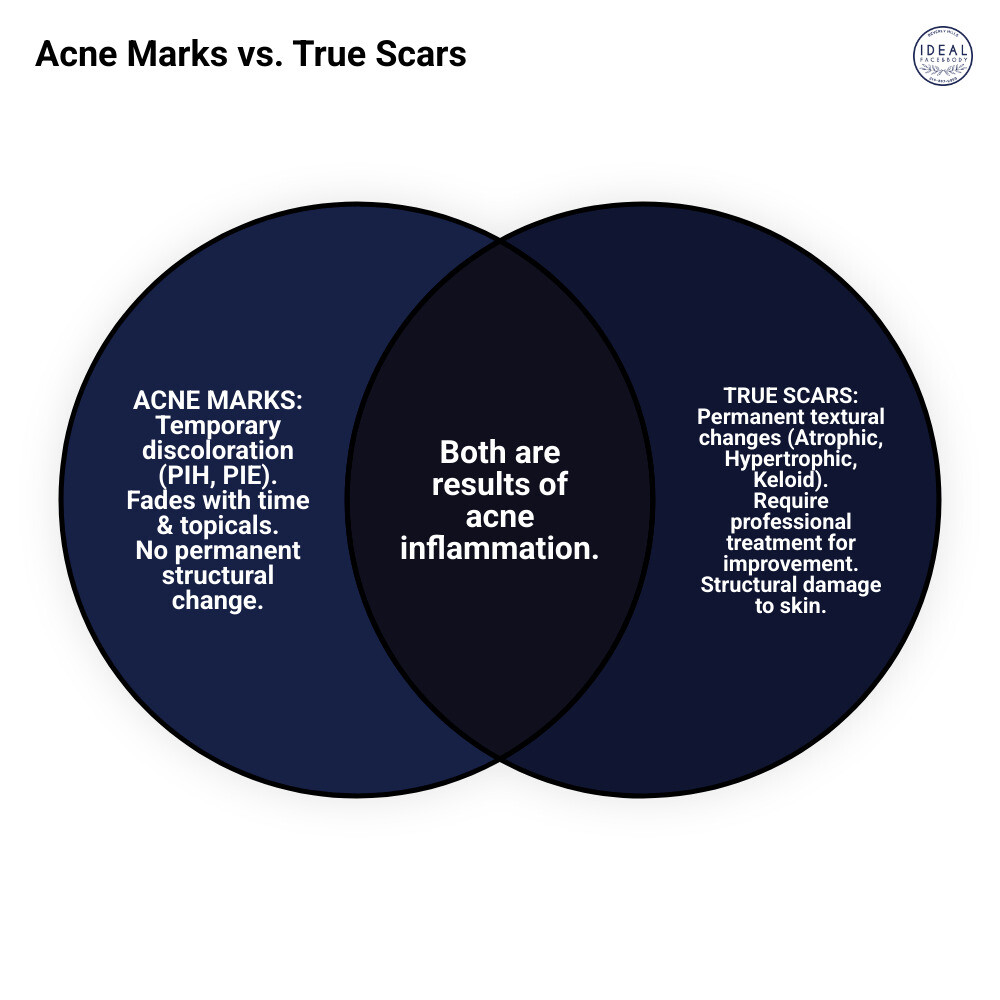
Not all marks are true scars. Some are post-inflammatory hyperpigmentation (PIH)—dark spots that fade over time. True scars involve a permanent change in the skin’s structure. Understanding your scar type is the first step toward choosing the right treatment. Atrophic scars are depressed or pitted (ice pick, boxcar, rolling), while hypertrophic and keloid scars are raised.
This guide explores the types of acne scars and the most effective professional treatments available. As Dr. Sarah Yovino, a double board-certified specialist at Ideal Face & Body, I help patients achieve smoother skin with customized acne scar reduction plans using advanced technologies to address each person’s unique needs.
Understanding Acne Scars: Types and Causes
Acne scars form when severe inflammation damages deep skin tissue. During healing, your body produces collagen to repair the damage. If it produces too little collagen, you get depressed atrophic scars. If it produces too much, you get raised hypertrophic scars. This healing process is complex, as detailed in scientific research on scar pathogenesis. A staggering 80-90% of all acne scars are atrophic, so if you have pitted scars, you are not alone.
The Different Types of Atrophic (Depressed) Scars
Knowing your scar type is crucial for effective acne scar reduction, as different scars respond to different treatments.

-
Ice pick scars: Small, narrow, deep punctures (<2 mm wide). They are the most common type (60-70% of atrophic scars) and can be challenging to treat due to their depth.
-
Boxcar scars: Round or oval depressions with sharp, defined edges (1.5-4 mm wide). They can be shallow or deep and resemble chickenpox scars. Shallower boxcar scars respond well to resurfacing treatments.
-
Rolling scars: Wide depressions (>4 mm) with sloped edges that create a wavy skin texture. They are caused by fibrous bands pulling the skin down from underneath.
Hypertrophic and Keloid Scars
In some cases, the body overproduces collagen, leading to raised scar tissue.
-
Hypertrophic scars are firm, raised scars that remain within the boundaries of the original acne lesion. They are common on the back and chest.
-
Keloid scars are more aggressive. These raised, rubbery scars grow beyond the original wound’s boundaries. The key difference between hypertrophic and keloid scars is that keloids expand over time. They are more common in darker skin tones and on areas like the shoulders, chest, and back.
Why Do Some People Scar and Others Don’t?
Several factors determine your likelihood of scarring:
- Genetics: A family history of acne scars increases your risk.
- Skin type: Darker skin tones are more prone to hyperpigmentation and keloids.
- Severity of acne: Deep, inflammatory acne like nodules and cysts causes more damage and is more likely to scar.
- Delayed treatment: Allowing inflammatory acne to persist increases the risk of permanent damage.
- Picking or squeezing pimples: This is a major cause of preventable scarring, as it worsens inflammation and damages underlying tissue.
Professional Treatments for Effective Acne Scar Reduction
Effective acne scar reduction requires a personalized approach, as the best treatment depends on your scar types, skin tone, and goals. A consultation with a qualified professional is the essential first step. At Ideal Face & Body, Dr. Sarah Yovino and Dr. Justin Yovino create custom treatment plans after a thorough skin examination. We typically wait until active acne is controlled before starting scar treatments to ensure the best possible outcomes and prevent new scars from forming.
| Treatment Type | Best For Scar Type | How It Works | Downtime | Sessions Needed |
|---|---|---|---|---|
| Laser Resurfacing | Atrophic (ice pick, boxcar, rolling), textural irregularities | Uses focused light to remove damaged skin layers and/or stimulate collagen production, promoting new skin growth. Ablative lasers remove surface skin; non-ablative heat deeper layers; fractional creates microscopic treatment zones. | Varies: Ablative (up to 1 week), Non-ablative (minimal), Fractional (a few days of redness/swelling). | 1-6+ depending on laser type and scar severity. |
| Microneedling | Atrophic (rolling, boxcar), overall texture, mild ice pick | Creates controlled micro-injuries with tiny needles, triggering the skin’s natural healing response and stimulating collagen and elastin production. Can be combined with PRP or RF for improved results. | 1-3 days of redness, mild swelling. | 3-6 sessions, typically 4 weeks apart. |
| Chemical Peels | Superficial atrophic, textural issues, hyperpigmentation | Applies a chemical solution to exfoliate the top layers of skin, promoting cell turnover and collagen production. Different strengths target different depths of scarring. | Varies: Superficial (minimal), Medium (3-7 days of peeling/redness). | 3-6 sessions for milder peels, fewer for stronger. |
| Dermal Fillers | Depressed (rolling, boxcar) | Injects a gel-like substance (e.g., hyaluronic acid) directly into depressed scars to raise them to the level of the surrounding skin, providing immediate volume and smoothing the surface. | Minimal to none (possible bruising/swelling for 1-2 days). | Single session, repeated every 6-18 months. |
| Subcision | Rolling, tethered scars | A needle is inserted under the scar to break fibrous bands that pull the scar down, allowing the skin to lift and encouraging new collagen formation to fill the void. Often combined with fillers. | A few days of bruising and swelling. | 1-3 sessions. |
Laser Resurfacing for Acne Scar Reduction
Laser resurfacing uses focused light energy to either remove damaged outer skin layers or stimulate collagen production in the dermis.

- Ablative lasers (CO2, Erbium) vaporize the top layer of damaged skin, promoting significant collagen remodeling and new skin growth. They offer dramatic results but require about a week of downtime.
- Non-ablative lasers (e.g., Fraxel®) heat the underlying tissue to stimulate collagen without damaging the surface, resulting in less downtime but requiring more sessions.
- Fractional lasers create microscopic treatment zones, leaving surrounding tissue intact. This approach stimulates healing and collagen regeneration with a faster recovery than fully ablative lasers.
Careful assessment is needed for darker skin tones to minimize risks like hyperpigmentation. Learn more about our Laser Skin Resurfacing options.
Microneedling for Acne Scar Reduction
Also known as collagen induction therapy, microneedling is safe and effective for all skin tones. A device with fine needles creates controlled micro-injuries, triggering the skin’s natural healing response and boosting collagen and elastin production. Research shows it effectively reduces scar depth over time.

We improve our Microneedling treatments with:
- Radiofrequency (RF) Microneedling: Adds thermal energy to the treatment, significantly boosting collagen remodeling and skin tightening.
- Platelet-Rich Plasma (PRP) Therapy: Uses growth factors from your own blood to accelerate healing and improve collagen production, leading to faster and more significant scar improvement.
Chemical Peels and Exfoliation
Chemical peels use a formulated solution to exfoliate damaged outer skin layers, stimulating cell turnover and revealing smoother, healthier skin. We offer peels of varying strengths:
- Superficial Peels (Glycolic, Lactic Acid) gently exfoliate to improve texture and mild discoloration.
- Medium-Depth Peels (TCA) penetrate deeper to address more pronounced textural issues.
- TCA CROSS is a specialized technique where high-concentration TCA is applied directly into individual ice pick or boxcar scars to stimulate collagen and lift the scar base.
Explore options like The Perfect Derma Peel for overall skin rejuvenation.
Fillers, Subcision, and Other Techniques
We often use a multi-modal approach for the best results.
- Dermal Fillers: These injectables provide immediate improvement by filling in depressed rolling and boxcar scars, creating a smoother surface. Results are temporary (6-18 months) but offer instant gratification.
- Subcision: A needle is used to break the fibrous bands that tether rolling scars, allowing the skin to lift. This is often combined with fillers for optimal results.
- Combination Therapies: The most dramatic improvements often come from strategically layering treatments. For example, we might combine subcision with fillers, or microneedling with laser resurfacing, to address different aspects of scarring simultaneously. Explore our Non-Surgical Facial Rejuvenation Procedures to learn more.
Beyond Scars: Tackling Post-Acne Hyperpigmentation
Not every mark left by acne is a scar. Flat spots of color are post-acne discoloration, which are generally easier to treat than structural scars. These marks are changes in color, not texture.
- Post-Inflammatory Hyperpigmentation (PIH) appears as flat, dark spots (brown, black, or gray) from excess melanin production. It’s more common in medium to darker skin tones.
- Post-Inflammatory Erythema (PIE) appears as flat red or purple spots caused by damaged blood vessels. It’s more noticeable in lighter skin tones.
Both PIH and PIE can fade over time, but sun exposure can darken them and make them last much longer.
At-Home and Topical Treatments
A consistent at-home routine is the foundation for treating hyperpigmentation. Key ingredients include:
- Topical Retinoids: These vitamin A derivatives speed up cell turnover, helping to shed pigmented cells and improve texture, as confirmed by a 2017 review.
- Vitamin C: A powerful antioxidant that brightens the complexion and fades dark spots by inhibiting melanin production.
- Azelaic Acid: A gentle anti-inflammatory that evens skin tone, suitable for sensitive skin.
- Niacinamide (Vitamin B3): Reduces inflammation and helps prevent pigment transfer within skin cells.
Sunscreen is non-negotiable. Daily use of broad-spectrum SPF 30 or higher is the most critical step. UV exposure darkens spots and can make them last for years. Ingredients like retinoids increase sun sensitivity, making daily SPF even more essential.
In-Office Treatments for Dark Spots
For faster, more dramatic results, professional treatments are highly effective:
- BroadBand Light (BBL) Therapy: This advanced form of intense pulsed light targets and breaks down excess melanin (brown spots) and coagulates tiny blood vessels (redness), leading to a more even skin tone.
- Light Chemical Peels: Superficial peels with glycolic or salicylic acid gently exfoliate pigmented surface cells, revealing brighter skin underneath.
- Laser Treatments: Specific lasers can target either the brown pigment of PIH or the redness of PIE. Vascular lasers (e.g., Vbeam®) are excellent for redness, while IPL is versatile for brown spots and shallow scars.
Frequently Asked Questions about Acne Scar Reduction
Considering acne scar reduction brings up many questions. Here are answers to the ones we hear most often at Ideal Face & Body in Beverly Hills.
How long does it take to see results from acne scar treatments?
Results vary depending on the scar type, treatment chosen, and your skin’s individual response. Most treatments work by stimulating your body’s natural collagen production, which is a gradual process. You may see initial improvements, but the full benefits develop over weeks and months as new collagen forms.
For example, microneedling results can continue to improve for up to nine months. Laser treatments often require 3-6 sessions spaced weeks apart, with improvements continuing long after the final session. Patience is key; while fillers offer immediate volume, most resurfacing procedures build results over time.
Can you ever completely get rid of acne scars?
The goal of acne scar reduction is significant improvement, not complete erasure. While modern treatments are highly effective, it’s unrealistic to expect deep scars to vanish entirely. We can, however, dramatically reduce their appearance, improve overall skin texture, and blend them into the surrounding skin.
Our focus is on achieving a substantial reduction that restores your confidence. During your consultation, Dr. Sarah Yovino or Dr. Justin Yovino will provide a transparent assessment of the results you can realistically expect.
Why is consulting a professional important for acne scar reduction?
Professional guidance is crucial for safe and effective treatment. Here’s why:
- Accurate Diagnosis: A professional can correctly identify your specific scar types, which is essential because different scars require different treatments.
- Personalized Treatment Plan: Dr. Sarah Yovino and Dr. Justin Yovino create a customized plan based on your scar types, skin tone, and goals, avoiding a one-size-fits-all approach.
- Safety: Advanced treatments use powerful medical-grade devices that require expert handling to minimize risks, especially for different skin tones. A professional knows how to select the safest, most effective parameters for your skin.
As the American Academy of Dermatology on acne scars notes, partnering with a board-certified specialist is the best way to achieve lasting results.
Your Path to Smoother Skin Starts Here
We’ve explored acne scar reduction, from identifying scar types to understanding the advanced treatments that can transform your skin. Whether you have atrophic scars, raised scarring, or post-acne discoloration, a path to a smoother complexion exists.
Prevention is your best defense. Treating active acne promptly and avoiding picking can prevent future scarring. While a consistent skincare routine is foundational, professional treatment is often necessary to make a real difference in existing scars.
The journey to smoother skin requires patience and commitment, often involving multiple sessions and a combination of therapies. The results, however, are well worth the effort.
At Ideal Face & Body in Beverly Hills, Dr. Sarah Yovino and Dr. Justin Yovino are dedicated to helping you achieve your skin goals. We reject cookie-cutter solutions in favor of customized acne scar reduction plans custom to your unique skin and concerns.
Ready to begin your change? We have the expertise and technology to help you feel confident in your skin again. Discover more about our acne scar treatments and take the first step. Your personalized journey to clearer, smoother skin starts with a consultation.