Is That Tattoo Removal Quote Fair? What Reviews Say About Pricing and What to Expect
Understanding the Investment in Your Skin’s Fresh Canvas
Partial tattoo removal cost varies based on several factors, but understanding what you’re paying for helps you make informed decisions about modifying your body art. Here’s what you need to know:
Quick Answer: What Determines Partial Tattoo Removal Cost
- Tattoo size and coverage area – larger areas require more treatment time
- Ink colors used – black ink is easiest to remove; bright colors need specialized lasers
- Number of sessions needed – typically 2-6 sessions for fading vs. 6-10+ for complete removal
- Treatment method – laser removal is most common and effective
- Geographic location and provider experience – costs vary by region and expertise
Tattoo regret affects about 12% of Americans who have ink. Perhaps a tattoo no longer fits your professional image, or you’re planning a cover-up and need to lighten the existing ink first. Whatever your reason, partial tattoo removal offers a middle ground between living with unwanted ink and pursuing complete removal.
The good news? Fading for a cover-up usually needs fewer sessions, which means lower total costs and less time commitment than complete removal. Many practitioners recommend lightening dark areas just enough for a new design to take hold.
However, pricing structures vary widely, making it tough to know if you’re getting a fair quote. Clinics may charge per session or offer package deals, and the factors affecting your final bill aren’t always clear upfront.
As Dr. Sarah Yovino, MD at Ideal Face & Body in Beverly Hills, I’ve helped countless clients steer partial tattoo removal cost decisions through personalized consultations. My training allows me to provide realistic expectations about the process and the required investment.
Partial tattoo removal cost word guide:
Partial vs. Complete Removal: What’s the Difference for Your Skin and Wallet?
Deciding to remove a tattoo often leads to a fork in the road: do you want it completely gone, or just lightened enough for a new design? This distinction significantly impacts the process, session count, potential outcomes, and the partial tattoo removal cost.
Partial Removal: Making Way for New Art
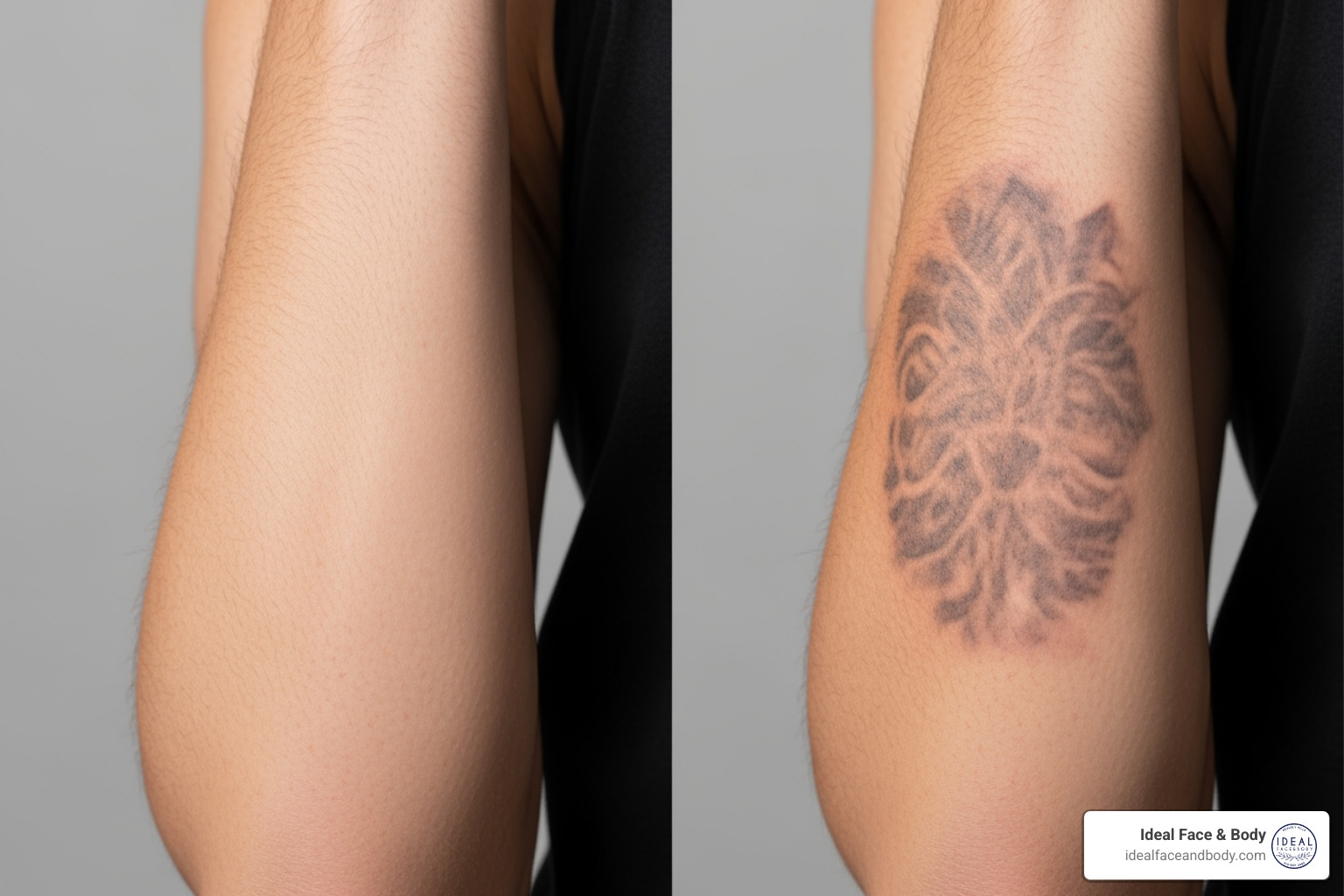
Partial tattoo removal, often called fading or lightening, is reducing the visibility of an existing tattoo without aiming for complete disappearance. The primary goal is usually to prepare the skin for a cover-up tattoo. A faded tattoo gives the artist a cleaner canvas, allowing for more vibrant and intricate new artwork.
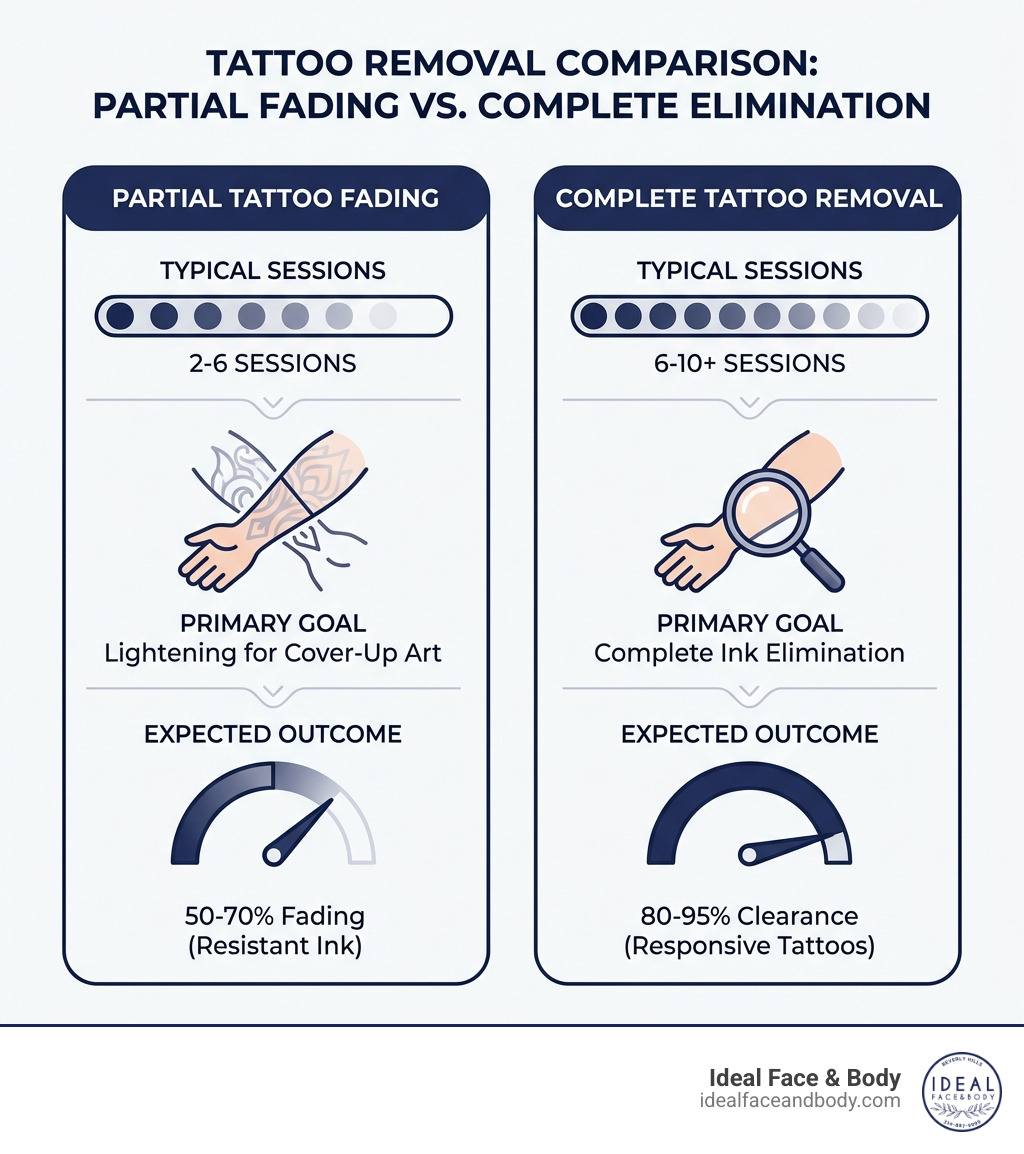
For partial removal, our aim is to break down enough ink pigment to significantly lighten the tattoo. This process typically requires fewer sessions than complete removal. Many tattoo artists and removal specialists recommend 2 to 6 sessions to achieve sufficient fading for a successful cover-up. This targeted approach means a quicker process and a more manageable overall investment.
Complete Removal: A Clean Slate
Complete tattoo removal strives to eliminate the tattoo ink entirely, making the skin appear as if it was never tattooed. While laser technology has made this more achievable, it’s an intensive process. Complete removal often requires a greater number of sessions, potentially 6 to 10 or more, depending on the tattoo’s characteristics. The goal is for the tattoo to be invisible to the naked eye, though slight skin texture changes might remain.
The Science Behind Laser Tattoo Removal
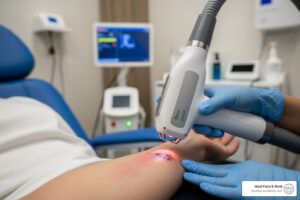
Both partial and complete removal primarily rely on advanced laser tattoo removal techniques. These lasers emit high-intensity light pulses that penetrate the skin and are absorbed by the tattoo pigment. This energy shatters the ink particles into tiny fragments. The body’s immune system then naturally flushes these microscopic particles away over several weeks.
Cost and Session Comparison
The most significant difference in partial tattoo removal cost versus complete removal comes down to the number of sessions. Since partial fading for a cover-up requires fewer sessions, the total financial outlay is generally lower. This saves considerable money and time. For example, achieving fading in 3-5 sessions for a cover-up, versus 10+ for complete removal, drastically reduces the overall expense and commitment.
Potential Outcomes and Limitations
While many tattoos can be significantly faded, it’s important to have realistic expectations. Some tattoos, particularly very old ones or those with resistant ink, may only achieve 50-70% fading. However, for a cover-up, this level of fading is often perfectly adequate. For complete removal, we often aim for 80-95% clearance, which is achievable for many tattoos, depending on their characteristics.
At Ideal Face & Body in Beverly Hills, we work closely with our clients to understand their goals. This initial consultation helps us set clear expectations regarding the process, the number of sessions, and the estimated laser tattoo removal pricing for your specific needs.
Key Factors That Determine Your Partial Tattoo Removal Cost
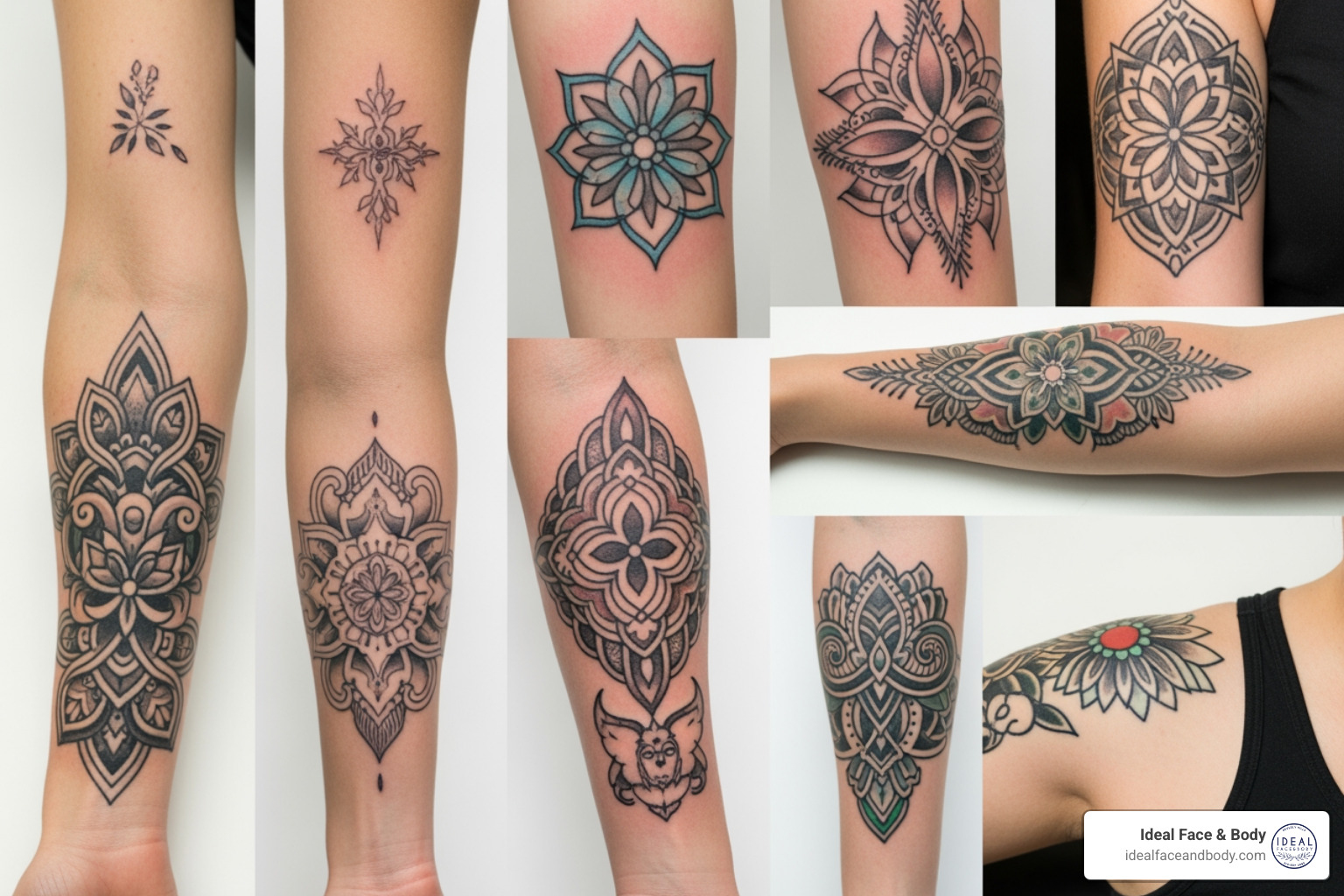
When considering partial tattoo removal cost, it’s important to understand that there isn’t a one-size-fits-all price. Many variables contribute to the overall investment and influence the number of sessions you’ll need, whether you’re aiming for slight fading or a nearly invisible result.
Understanding the variables of your partial tattoo removal cost
Several characteristics of your tattoo and body determine the removal effort and time, directly impacting the partial tattoo removal cost.
- Tattoo Size: This is often the most straightforward factor. Larger tattoos require more time per session, which increases the cost. We often measure tattoo size to determine appropriate treatment categories.
- Ink Density: A heavily inked, bold design is more challenging to fade than a lightly shaded or fine-line tattoo. More ink density means more pigment to break down, which can increase the number of sessions.
- Tattoo Age: Older tattoos tend to be easier and potentially less expensive to remove. Over time, the body naturally breaks down some ink, making the laser’s job easier. Newer tattoos, with vibrant, deeply set pigment, generally require more effort.
- Skin Type: Your skin tone is crucial. Darker skin tones require a cautious approach to prevent pigment changes or scarring. This may involve specific laser wavelengths and more sessions, influencing the overall Tattoo Removal for Dark Skin and its cost.
- Tattoo Location: The part of your body where the tattoo is located also matters. Areas with good blood circulation, like the face, neck, and chest, tend to heal faster. Tattoos on extremities like hands or feet may take longer to respond, potentially increasing the session count.
Professional vs. Amateur Ink
Professional tattoos often use denser, deeper ink, making them more resistant to removal than amateur tattoos, which can increase the number of sessions. While amateur tattoos might be easier to fade, detailed work can still present challenges.
Blood Circulation Impact
As mentioned, blood circulation is key. Tattoos in areas with robust blood flow generally respond better to laser treatment. Improved circulation helps the lymphatic system carry away shattered ink particles more efficiently, which can lead to fewer sessions and a more favorable partial tattoo removal cost.
How tattoo color impacts the partial tattoo removal cost
The colors in your tattoo are one of the most critical factors influencing the ease and cost of removal. Different ink colors absorb different laser wavelengths, so a single laser might not be effective for all colors.
- Black Ink Response: Black ink is the easiest color to remove. It absorbs all laser wavelengths, making it highly responsive to treatment. This usually means fewer sessions to achieve fading.
- Stubborn Colors: Bright colors like yellow, green, and light blue are notoriously more challenging to fade. These colors require specialized laser wavelengths and often demand more treatment sessions. Red ink can also be stubborn.
- Multiple Laser Wavelengths: At Ideal Face & Body, we use advanced laser technology to target a wide spectrum of colors. A multi-colored tattoo will likely require a custom treatment plan using multiple laser wavelengths, which can add to the time and investment. This can influence the final partial tattoo removal cost.
Understanding these variables is the first step toward getting an accurate quote. We always recommend a personalized consultation to assess your specific tattoo. For general insights into cosmetic procedures, you can refer to resources like Advice about cosmetic procedures.
Sessions, Techniques, and Alternative Methods
Understanding the techniques and session count for partial tattoo removal is key to comprehending the overall partial tattoo removal cost. Laser technology has become the gold standard, but it’s not the only method, and each comes with its own considerations for effectiveness, recovery, and investment.
How Many Sessions for Partial Removal?
For partial tattoo removal, especially for a cover-up, the number of sessions is typically fewer than for complete removal. While complete removal can demand 6 to 10+ sessions, fading for a new design might only need 2 to 6 sessions. This reduction in sessions means a lower partial tattoo removal cost and a faster timeline.
Sessions are spaced about 6 to 8 weeks apart. This interval is crucial for skin healing and allows the immune system to flush away shattered ink particles between treatments. Rushing the process can lead to skin damage and less effective results.
Laser Techniques: Q-switched vs. Picosecond
The evolution of laser technology has revolutionized tattoo removal. The primary types of lasers used today are Q-switched and picosecond lasers.
- Q-switched Laser Technology: For years, Q-switched lasers were the industry standard. These lasers deliver energy in nanosecond pulses, effectively shattering tattoo ink. They are still widely used and capable of targeting multiple colors, though some may require more sessions. You can learn more about Q-switched laser technology.
- Picosecond Lasers: Picosecond lasers are a significant advancement, delivering energy in ultra-short picosecond pulses. This shatters ink into much smaller particles, often leading to faster clearance and fewer sessions, especially for stubborn colors like blue and green. While the initial investment is higher for clinics, picosecond technology can mean a more efficient process for clients. This can favorably impact the long-term partial tattoo removal cost due to fewer required sessions. We use advanced laser technology at Ideal Face & Body to ensure effective results. For more details, explore What is the best tattoo removal laser?.
Alternative Removal Methods and Their Comparison
While laser removal is the most effective and safest method, it’s worth understanding other techniques.
| Method | Cost-Effectiveness (for partial) | Sessions Needed | Scarring Risk |
|---|---|---|---|
| Laser Removal | Moderate to High | 2-6 (partial) | Low to Moderate |
| Surgical Excision | Low (not suitable for partial) | 1 (for complete) | High |
| Dermabrasion | Low (unpredictable) | Multiple | Moderate to High |
- Surgical Excision: This method involves a surgeon cutting out the tattooed skin. It’s a one-time procedure with a variable investment but always results in a scar. Surgical excision is only practical for very small tattoos and is unsuitable for partial removal.
- Dermabrasion: An older technique, dermabrasion involves sanding down the tattooed skin. Its effectiveness varies, and it’s less popular due to unpredictable results, discomfort, and a high risk of complications like scarring. It’s rarely recommended for partial fading.
Packages and Payment Plans
Many clinics offer flexible options to make the process more manageable.
- Package Deals: Many providers offer package deals for a set number of sessions at a discounted rate. For partial removal, a package of 3-5 sessions might be ideal, reducing the overall investment.
- Payment Plans: To further ease the financial burden, flexible monthly payment plans are often available, allowing you to spread the cost over time. At Ideal Face & Body, we help clients find the best payment option. Explore our Laser Tattoo Removal Pricing Guide for more details.
The Full Picture: Aftercare, Hidden Costs, and Finding a Provider
Understanding the partial tattoo removal cost extends beyond the per-session fee; it encompasses aftercare, potential hidden expenses, and the critical choice of your provider. A successful, safe removal experience depends on these factors as much as the laser itself.
Aftercare Instructions and Healing
Proper aftercare is essential for optimal results and minimizing complications. After each laser session, your treated skin will be sensitive and require diligent care.
- Immediate Care: We will provide specific instructions immediately following your session. This typically involves keeping the area clean, applying an antibiotic ointment, and covering it with a sterile dressing.
- Moisturize and Protect: Keeping the skin moisturized as it heals is important. Avoid soaking the treated area in baths or pools for a period.
- Sun Protection: This is a critical aftercare step. Protecting the treated area from sun exposure is paramount. Sun exposure can cause hyperpigmentation (darkening) or hypopigmentation (lightening), affecting the outcome and potentially prolonging treatment. Always use a broad-spectrum, high-SPF sunscreen and consider protective clothing.
- Healing Process: The skin’s healing time between sessions is 6 to 8 weeks. Redness, swelling, blistering, or scabbing are normal. Do not pick at scabs or blisters to avoid scarring and infection.
Potential Hidden Costs
While we strive for transparency regarding your partial tattoo removal cost, be aware of potential expenses that may not be in the base price.
- Aftercare Products: Specialized ointments, healing creams, or medical-grade sunscreens might be an additional purchase.
- Pain Management: Some clients opt for topical numbing creams or over-the-counter pain relievers, which are an out-of-pocket expense.
- Time Off Work: Depending on the tattoo’s location and your job, you might need brief downtime. This is a personal consideration.
- Consultation Fees: Some clinics charge a consultation fee, though many, like Ideal Face & Body, offer initial consultations at no charge. Always clarify this upfront.
Importance of Consultation and Choosing a Provider
Choosing the right provider is the most significant factor in ensuring a safe, effective, and transparent experience, especially for achieving the desired results for your partial tattoo removal cost.
- Personalized Assessment: A comprehensive consultation is non-negotiable. During this meeting, we will examine your tattoo’s size, colors, age, location, and your skin type. We’ll discuss your goals and provide a realistic assessment of the number of sessions and expected outcomes.
- Expertise and Technology: Look for a clinic that uses advanced laser technology and has experienced, licensed practitioners. The operator’s skill is as important as the technology itself. At Ideal Face & Body in Beverly Hills, we pride ourselves on our expertise and state-of-the-art equipment.
- Board-Certified Professionals: When considering any cosmetic procedure, prioritizing a board-certified plastic surgeon in your area is crucial. Our team, under the guidance of Dr. Sarah Yovino and Dr. Justin Yovino, is dedicated to providing exceptional care. You can find more information in our Tattoo Removal Beverly Hills Guide.
Frequently Asked Questions about Partial Tattoo Removal
We understand that you likely have many questions when considering partial tattoo removal cost. Here, we address some of the most common inquiries to help you make an informed decision.
Is it cheaper to fade a tattoo for a cover-up instead of full removal?
Yes. A compelling advantage of partial tattoo removal for a cover-up is the significant reduction in the overall investment. Fading a tattoo for a cover-up typically requires substantially fewer sessions than complete removal.
For instance, while full removal might necessitate 6 to 10+ sessions, many tattoo artists find that just 2 to 6 sessions of laser fading are sufficient. This means a quicker process, less commitment, and a lower total partial tattoo removal cost. It’s a smart strategy for those who want to transform their existing ink into something new.
Can I get a precise total cost before I start?
While a precise figure is desirable, no reputable specialist can guarantee an exact total cost upfront. This is because every tattoo and body responds uniquely to treatment.
During your initial consultation, we will provide a realistic range for the number of sessions needed and an estimated overall investment. This estimate is based on a thorough assessment of your tattoo’s characteristics (size, colors, age, ink density, location) and your skin type. However, how your skin and ink respond can influence the final number of treatments. Be wary of providers who promise a fixed number of sessions, as this shows a lack of understanding of the biological processes involved. We will continuously monitor your progress and adjust the treatment plan as needed.
Does insurance ever cover tattoo removal?
In most cases, health insurance does not cover tattoo removal. Tattoo removal is classified as a cosmetic procedure, performed for aesthetic reasons, not medical necessity. As a result, clients should expect to pay for the partial tattoo removal cost out of pocket.
Extremely rare exceptions for insurance coverage exist. These typically involve documented medical complications like an allergic reaction, or if removal is medically necessary for a diagnostic procedure. Traumatic tattoos or those part of a medical treatment plan might also qualify. However, for standard body art, insurance coverage is highly unlikely. We recommend clarifying any potential coverage directly with your insurance provider, but generally, budgeting for the full investment is advisable.
Conclusion: Investing in the Ink You Love
Pursuing partial tattoo removal is a significant step, offering a chance to refresh your body art without a full erasure. As we’ve explored, understanding the partial tattoo removal cost involves considering a mix of factors, from your tattoo’s size and color to the laser technology used and your body’s response.
The good news is that opting for partial removal, particularly for a cover-up, is often a more cost-effective solution than complete removal. Fewer sessions mean less financial commitment and a quicker path to your aesthetic goals. It’s an investment in your skin, renewed confidence, and self-expression through new ink.
At Ideal Face & Body in Beverly Hills, our philosophy revolves around personalized care and transparency. Under the expert guidance of Dr. Sarah Yovino and Dr. Justin Yovino, we prioritize understanding your unique needs. We believe every client deserves a thorough consultation to discuss their tattoo, explore treatment options, and receive a clear, realistic estimate of the required investment.
Whether you’re looking to fade an old memory or create the perfect canvas for a future masterpiece, we are here to guide you. Your journey towards modifying your body art begins with an informed decision and a trusted partner.
To learn more about our comprehensive approach to laser tattoo removal and to understand how we can help you achieve your desired results, we invite you to explore our Laser Tattoo Removal Pricing Guide.