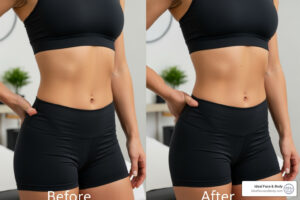
Tummy Tuck After C-Section: Expert 2025 Guide
Why Timing Matters for Your Post-C-Section Body Contouring Journey
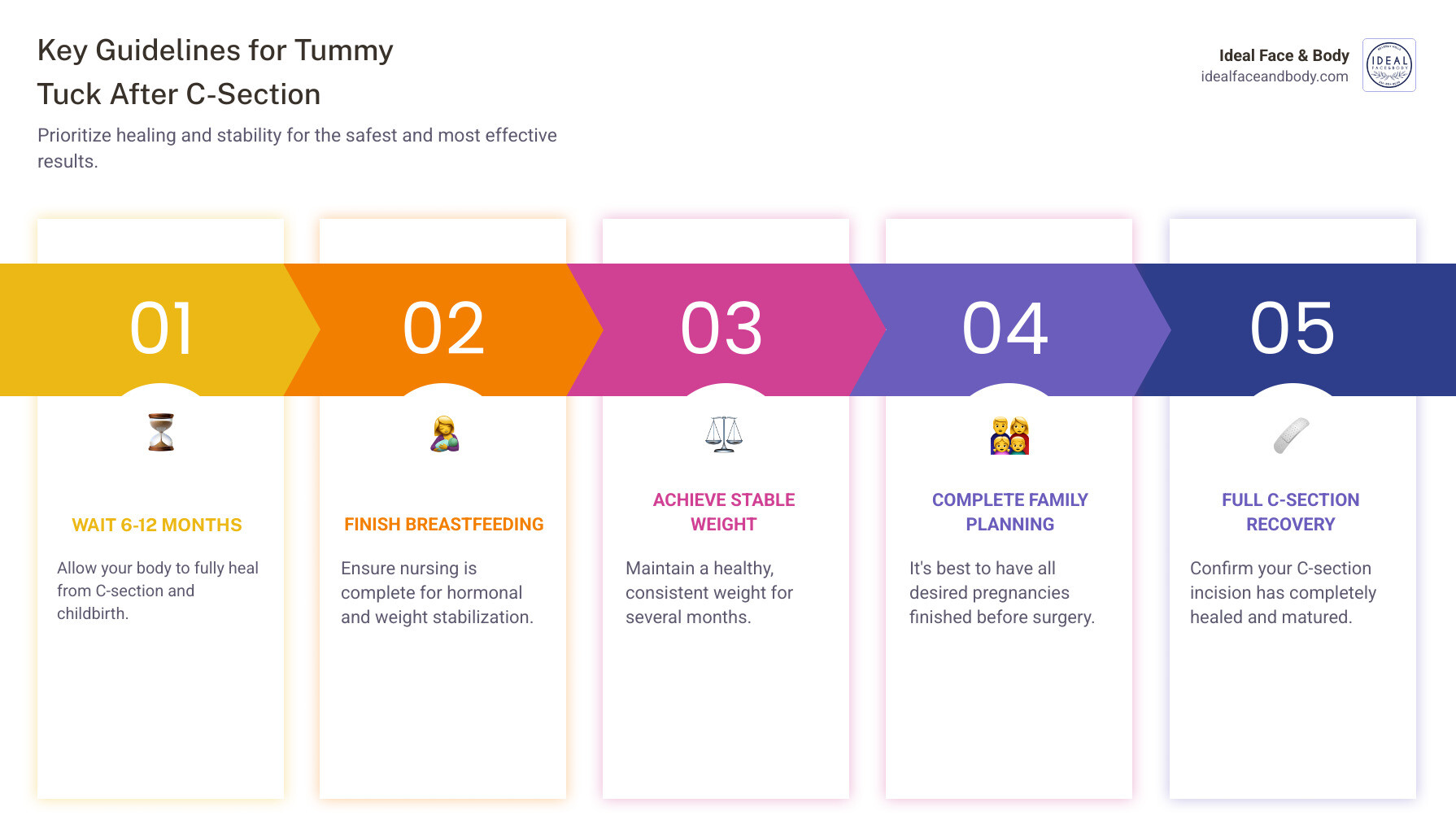
A tummy tuck after C-section requires careful timing for your safety and the best possible results. Most plastic surgeons recommend waiting at least 6-12 months after your cesarean delivery. This allows your body to heal, your uterus to return to its normal size, your weight to stabilize, and your hormones to rebalance.
Key Timeline Guidelines:
- Minimum wait time: 6-12 months after C-section
- Complete breastfeeding: Wait until you’ve finished nursing
- Achieve stable weight: Reach a healthy, maintainable weight
- Finish family planning: Complete all desired pregnancies first
- Full C-section recovery: Ensure your incision has fully healed
Pregnancy and a C-section can cause stretched skin, separated abdominal muscles (diastasis recti), and a C-section “shelf” of tissue above the scar. Diet and exercise often can’t fix these structural issues, making a tummy tuck a valuable option.
While combining a tummy tuck with your C-section delivery (a “C-tuck”) might sound convenient, it carries significantly higher risks. Research shows combined procedures have much higher rates of wound infection, skin necrosis, and poor aesthetic outcomes compared to tummy tucks performed after a full recovery.
At Ideal Face & Body, Dr. Sarah Yovino and Dr. Justin Yovino help women safely restore their confidence with post-pregnancy body contouring. We provide personalized care with realistic timelines that prioritize both safety and optimal results for your tummy tuck after C-section.
Understanding the Procedures: Tummy Tuck vs. C-Section
While both a C-section and a tummy tuck involve the abdomen, they are very different procedures with distinct goals. One brings your baby into the world, while the other helps restore your pre-pregnancy body afterward. Understanding what a tummy tuck after C-section can do for you starts with knowing the difference.
What is a Tummy Tuck (Abdominoplasty)?
A tummy tuck, or abdominoplasty, is a cosmetic surgery that creates a smoother, firmer abdominal profile. It’s not a weight-loss tool but a contouring procedure that addresses structural changes from pregnancy that diet and exercise can’t fix. According to the American Society of Plastic Surgeons definition of a tummy tuck, the procedure targets three main concerns:
- Excess Skin: Pregnancy stretches the skin, and a tummy tuck removes the loose, hanging tissue that doesn’t snap back, creating a more toned appearance. Learn more about loose skin removal.
- Stubborn Fat: The procedure removes pockets of abdominal fat that resist diet and exercise. We often combine it with our “Precision Sculpt” awake liposuction for improved definition.
- Separated Muscles: During pregnancy, abdominal muscles can separate (diastasis recti), causing a belly bulge. A tummy tuck surgically repairs these muscles, restoring core strength and creating a flatter abdominal wall.
The result is a re-contoured midsection that looks tighter and feels stronger. You can find more details on our page about tummy tucks in Beverly Hills.
How Does it Differ from a C-Section?
Understanding the differences is key to planning your tummy tuck after C-section timeline. A C-section is a medical necessity for childbirth, while a tummy tuck is an elective cosmetic procedure performed months or years later, once your body has fully healed.
The surgical goals are entirely different. A C-section’s purpose is to safely deliver a baby, which involves an incision through the abdominal wall and uterus. A tummy tuck’s purpose is aesthetic contouring; it works on the outer layers of skin, fat, and muscle fascia, but never enters the abdominal cavity or touches the uterus. This fundamental difference is why combining the two procedures (a “C-tuck”) is risky and not recommended. Your body needs to recover from the medical necessity of childbirth before it’s ready for the elective improvements of body contouring.
The Ideal Timeline for a Tummy Tuck After C-Section
Timing is everything for a safe and successful tummy tuck after C-section. While it’s natural to want to reclaim your pre-pregnancy body quickly, your body needs time to heal before another major surgery. Rushing into abdominoplasty can compromise your results and put your health at risk. Patience is the first step toward beautiful, lasting results.
Why Waiting is Crucial: The Risks of a “C-Tuck”
The idea of a “C-tuck”—combining a C-section with a tummy tuck—may sound convenient, but it carries significant risks. Scientific research on combined procedure complications shows dramatically higher rates of wound infections (18%) and tissue death (12%) compared to a tummy tuck performed after full recovery. Other risks include:
- Increased Blood Clot Risk: Combining two major surgeries lifts this risk, which is already higher during the postpartum period.
- Poor Aesthetic Outcomes: Immediately after birth, your body is in flux with a swollen uterus and stretched tissues. It’s nearly impossible for a surgeon to accurately gauge how much skin to remove, leading to disappointing results like persistent bulging or excess skin in up to 32% of cases.
- Difficult Recovery: Recovering from a C-section while caring for a newborn is demanding. Adding a tummy tuck recovery makes it nearly impossible to care for yourself or your baby properly.
The Recommended Waiting Period: 6 to 12 Months
We recommend waiting at least 6 to 12 months after your C-section. This timeline is based on key physiological milestones your body needs to reach:
- Uterine Involution: Your uterus needs time to shrink back to its pre-pregnancy size.
- Skin Retraction: Waiting allows your skin to tighten naturally, so we can accurately assess how much excess needs to be removed.
- Weight Stabilization: You should be at a stable weight near your goal for several months before surgery to ensure long-lasting results.
- Hormonal Balance: If you’re breastfeeding, it’s best to wait until you’ve weaned. The March of Dimes provides helpful information on postpartum transitions.
- Incision Healing: Your C-section incision must be fully healed and strong before another procedure.
This waiting period also allows for emotional readiness, giving you time to bond with your baby and adjust to parenthood before undertaking another major personal journey.
What is the recovery process for a tummy tuck after C-section?
Recovery is a commitment, but it’s manageable with proper planning. For full details, see our page on quick tummy tuck recovery.
- First 2 Weeks: This phase is for rest and gentle movement. You’ll have swelling and discomfort, managed with medication. You will need significant help with daily tasks, including lifting your baby. A compression garment is worn to reduce swelling.
- Weeks 3-6: You can gradually increase activity, like longer walks. Strenuous exercise and heavy lifting are still off-limits. You’ll continue wearing the compression garment.
- After 6 Weeks: Most patients can return to normal activities and exercise once cleared by their surgeon. Swelling will continue to subside over the next several months as your final results emerge.
What a Tummy Tuck Can Achieve After Your C-Section
A tummy tuck after C-section offers a powerful solution for restoring your pre-pregnancy silhouette and confidence by addressing changes that diet and exercise cannot fix. Beyond aesthetics, the procedure provides significant functional benefits, helping you feel stronger and more comfortable in your daily life.

Addressing the C-Section Scar and “Shelf”
One of the most common complaints after a C-section is the “shelf” of skin and fat that accumulates above the scar. A tummy tuck is highly effective at correcting this. During the procedure, a low incision is made, allowing us to:
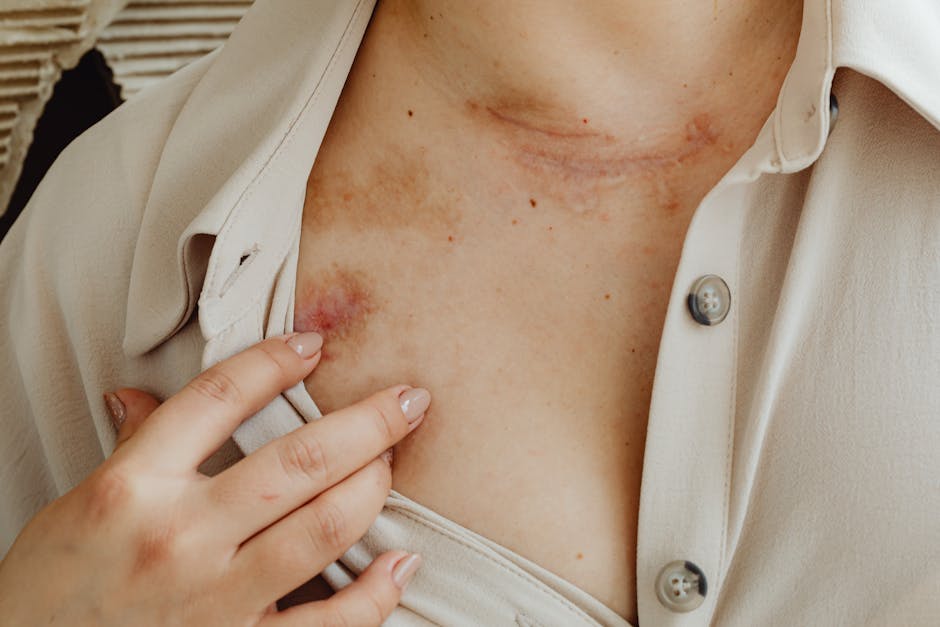
- Completely remove the C-section scar along with the excess skin. Your old scar is replaced with a new, single, lower scar that is easier to hide.
- Eliminate the shelf by removing the excess skin and fat, creating a flatter, more streamlined contour from the pubic area to the upper abdomen.
This process results in a significantly improved abdominal profile. Learn more about removing the C-section shelf.
Repairing Separated Abdominal Muscles (Diastasis Recti)
Pregnancy often causes the abdominal muscles to separate, a condition called diastasis recti. This leads to a persistent belly bulge and can contribute to weakened core strength, lower back pain, and poor posture. A tummy tuck after C-section is the definitive solution for this issue.
During the procedure, we suture the separated muscles back together at the midline. This internal repair, or muscle plication, is a cornerstone of the surgery, providing both aesthetic and functional benefits:
- Restores core strength and stability.
- Flattens the abdominal wall from the inside out.
- Alleviates related back pain by providing better core support.
- Improves posture naturally.
This muscle repair makes a tummy tuck a truly transformative procedure. For more details, see our page on post-pregnancy tummy tucks in Beverly Hills.
Choosing the Right Procedure: Types of Tummy Tucks
There is no one-size-fits-all tummy tuck. Dr. Sarah Yovino and Dr. Justin Yovino will recommend the best option for your body and goals.
- Full Tummy Tuck: The most common option, addressing the entire abdomen. It removes excess skin and fat, repairs muscles, and repositions the belly button. It’s ideal for women with significant skin laxity and muscle separation after pregnancy.
- Mini Tummy Tuck: A less extensive procedure focusing on the lower abdomen below the belly button. It involves a shorter scar and is best for women with a small amount of loose skin and fat. Learn more on our mini tummy tuck page.
- Extended Tummy Tuck: For patients with excess skin on the flanks and lower back, this procedure uses a longer incision to address the entire torso.
- Combining with Liposuction: We often use liposuction on adjacent areas like the hips and flanks to achieve a more refined, sculpted result and create smooth transitions.
Are You a Good Candidate for Post-C-Section Contouring?
Determining if you are a good candidate for a tummy tuck after C-section is crucial for ensuring your safety and achieving beautiful, long-lasting results. The ideal candidate is a woman whose body has stabilized after pregnancy and who meets several key criteria.

Key candidacy factors include:
- Stable, Healthy Weight: You should be at or near your goal weight for several months. A tummy tuck is for contouring, not weight loss, and significant weight changes can alter your results.
- Good Overall Health: You must be healthy enough to undergo surgery and heal properly. We will review your medical history to identify any conditions that could increase surgical risks.
- Non-Smoker: Smoking severely impairs healing and increases complication risks. We require patients to stop smoking for several weeks before and after surgery.
- Realistic Expectations: A tummy tuck can create a flatter, firmer abdomen, but it won’t give you a different body or erase all imperfections. We will discuss what is achievable for you.
- Emotional Readiness: The recovery process requires patience and a strong support system, especially while caring for a child.
For a detailed look at candidacy, explore our page on Am I a Good Candidate for a Tummy Tuck?.
The Impact of Future Pregnancies
We are often asked, “Should I get a tummy tuck if I want more children?” While it is physically possible to have a healthy pregnancy after a tummy tuck, we strongly recommend waiting until you have completed your family planning.
A future pregnancy will re-stretch the skin and abdominal muscles, potentially separating the repaired muscles and compromising your surgical results. This often leads to the need for a revision surgery. It is more practical and cost-effective to wait until your family is complete.
Choosing Your Board-Certified Plastic Surgeon
Your choice of surgeon is the most critical decision in this process. The surgeon’s skill directly impacts your safety and results.
Look for a board-certified plastic surgeon with specific experience in post-pregnancy body contouring. Both Dr. Sarah Yovino and Dr. Justin Yovino are board-certified and specialize in these procedures. Review before-and-after photos of patients with similar body types and concerns to yours.
The consultation is your opportunity to find a surgeon you trust. A good surgeon will listen to your goals, explain your options clearly, and be honest about realistic outcomes. Come prepared with questions about their experience with tummy tuck after C-section, their techniques, and the recovery process.
Frequently Asked Questions about a Tummy Tuck After C-Section
Considering a tummy tuck after C-section brings up many questions about safety, results, and timing. Here are answers to the questions we hear most often in our Beverly Hills consultations.
How long after a C-section can I get a tummy tuck?
We recommend waiting at least 6-12 months after your C-section. This crucial waiting period allows your body to fully heal from childbirth, your uterus to shrink, your weight to stabilize, and your hormones to rebalance. Rushing into surgery increases complication risks and can lead to disappointing results. Patience ensures the safest procedure and the best possible outcome.
Will a tummy tuck get rid of my C-section scar?
Yes, in most cases, a full tummy tuck after C-section will completely remove your C-section scar. The tummy tuck incision is made low on the abdomen, and the skin containing the old scar is removed. You will have a new scar, but it is strategically placed to be low, thin, and easily hidden by underwear or a bikini bottom.
Is a tummy tuck covered by insurance?
Generally, no. A tummy tuck is considered a cosmetic procedure and is not covered by health insurance, even if it provides functional benefits like reduced back pain. In rare cases, a panniculectomy (removal of a large apron of overhanging skin causing medical issues) may have partial coverage. However, this procedure only removes skin and does not include the muscle repair or contouring of a full tummy tuck. We will provide transparent information about the investment and payment options during your consultation.
Restore Your Confidence with Post-Pregnancy Contouring
Motherhood brings incredible joy but also lasting changes to your body. If you struggle with excess skin, separated muscles, or a C-section “shelf,” a tummy tuck after C-section can be a transformative solution. By waiting the recommended 6-12 months, you can safely address these concerns, repair diastasis recti, and restore your core strength.
This procedure is more than cosmetic—it’s about regaining the comfort and confidence you deserve. At Ideal Face & Body in Beverly Hills, Dr. Sarah Yovino and Dr. Justin Yovino specialize in post-pregnancy body contouring, providing personalized care with exceptional results.
If you’re ready to explore how a tummy tuck after C-section can help you, we invite you to schedule a consultation. Let us help you learn more about addressing excess skin on the lower abdomen and create a customized plan for you.