What are the best lasers for tattoo removal Ultimate 2025
The Science of Erasing Ink
What are the best lasers for tattoo removal? The most effective options include:
- Picosecond Lasers (e.g., PicoWay, PicoEnlighten) – Use ultra-short pulses to shatter ink into tiny particles, requiring fewer sessions
- Q-Switched Nd:YAG Lasers – The established gold standard with 1064 nm for dark inks and 532 nm for red/orange/yellow
- Q-Switched Alexandrite Lasers (755 nm) – Excellent for stubborn green and blue pigments
- Q-Switched Ruby Lasers (694 nm) – Effective for blue, green, and black inks
The best choice depends on your tattoo’s colors, your skin type, and your desired timeline.
Whether it’s a reminder of a past relationship or a design that no longer fits your style, you’re not alone in wanting a change. Tattoo regret is common, but the good news is that laser technology has revolutionized tattoo removal.
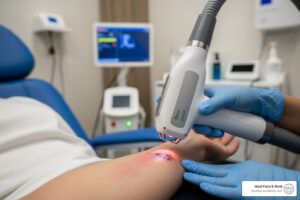
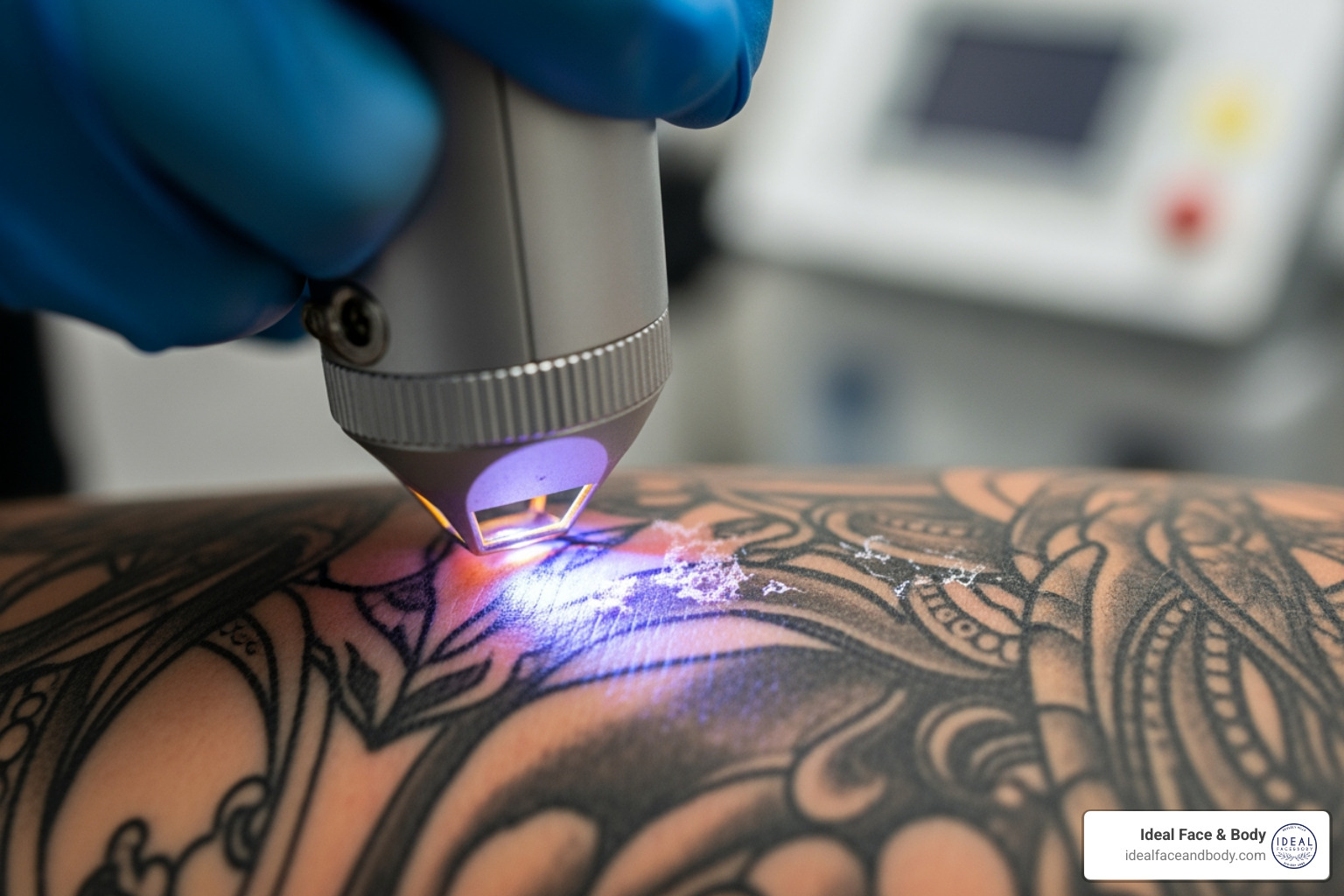
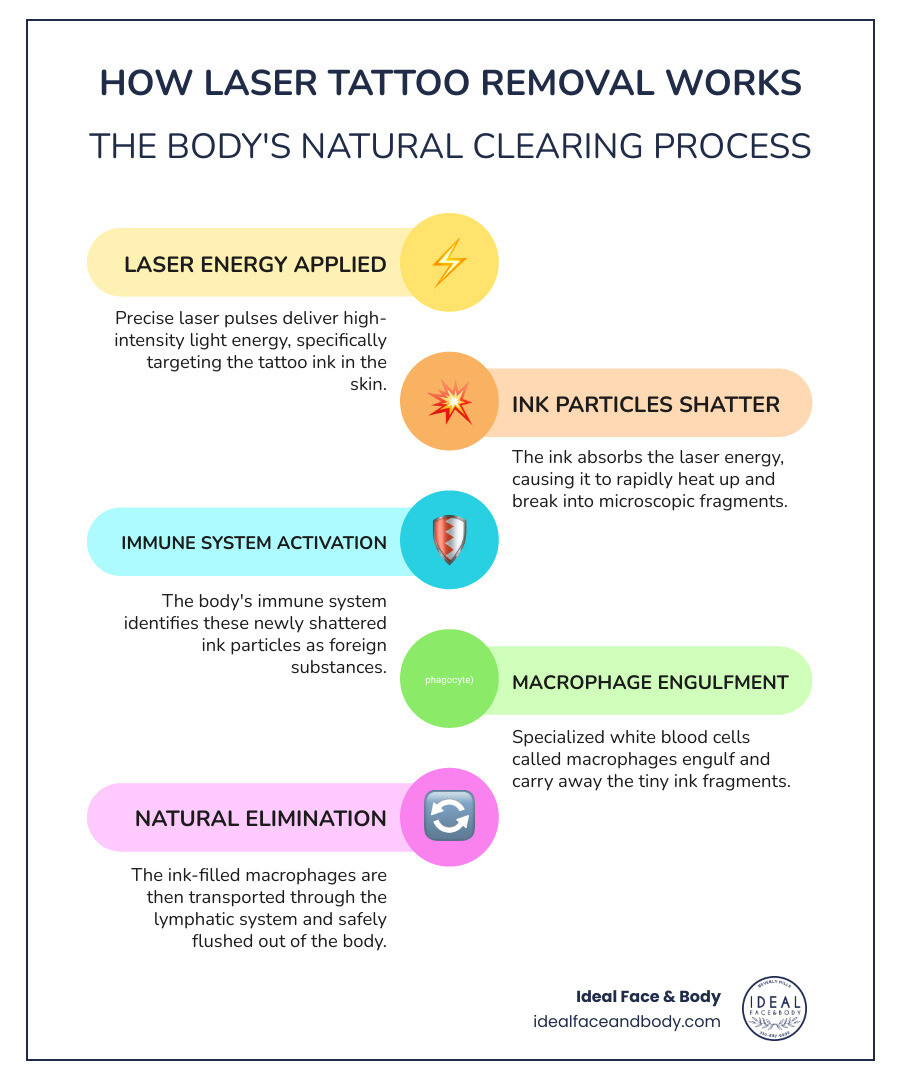
Modern lasers deliver precise pulses of light that target and shatter tattoo ink particles beneath your skin. Your body’s immune system then naturally clears away these tiny fragments over the following weeks. Gone are the painful, scar-inducing methods of the past. Today’s advanced lasers offer a non-invasive procedure with minimal downtime. Different wavelengths target specific ink colors, while various pulse speeds determine how efficiently the ink breaks down.
Understanding how these technologies work helps you make an informed choice. The laser shatters ink through either heat (photothermal effect) or pressure waves (photoacoustic effect). The smaller the ink particles become, the easier your body can eliminate them—and the fewer treatments you’ll need.
I’m Dr. Sarah Yovino, a double board-certified specialist in non-surgical medical aesthetics at Ideal Face & Body in Beverly Hills. With years of training in advanced laser treatments, I’ve helped countless patients safely and effectively erase unwanted ink. Let’s explore your options together.
Nanosecond vs. Picosecond: A Tale of Two Technologies
When we talk about what are the best lasers for tattoo removal, the discussion centers on two primary technologies: nanosecond and picosecond lasers. The key difference is their pulse duration—how quickly the laser delivers energy. This distinction has a huge impact on effectiveness, the number of sessions needed, and your overall experience.
Both laser types operate on the principle of selective photothermolysis, meaning they target tattoo ink with light energy. However, the speed of their pulses changes how they break down the ink, a process detailed in clinical updates on laser tattoo removal.
Nanosecond lasers (e.g., Q-switched) deliver energy in billionths of a second. Their primary mechanism is a photothermal effect, heating ink particles rapidly until they expand and shatter into smaller fragments.
Picosecond lasers operate even faster, delivering pulses in trillionths of a second. This creates a predominantly photoacoustic effect, generating intense pressure waves that pulverize the ink into much finer, dust-like particles. This efficient shattering means the particles are smaller and easier for your body’s immune system to clear away.
Picosecond lasers often remove tattoos in fewer sessions. The process is more efficient, reduces thermal damage to surrounding skin, and leads to quicker downtime, offering a more comfortable journey to clear skin for our patients in Beverly Hills.
| Feature | Nanosecond Lasers (e.g., Q-Switched) | Picosecond Lasers (e.g., PicoWay, Enlighten) |
|---|---|---|
| Pulse Speed | Billionths of a second (ns) | Trillionths of a second (ps) |
| Primary Mechanism | Photothermal (heat) | Photoacoustic (pressure waves/vibration) |
| Ink Particle Size | Smaller fragments | Much finer, dust-like particles |
| Typical Sessions | More sessions (e.g., 8-15+) | Fewer sessions (e.g., 4-10) |
| Thermal Damage Risk | Higher | Lower |
| Downtime | Longer | Shorter |
Q-Switched Nanosecond Lasers: The Established Standard
For decades, Q-switched nanosecond lasers were the gold standard. They use powerful, quick bursts of energy to effectively break down tattoo ink via a photothermal mechanism. The Q-Switched Nd:YAG laser, in particular, is a versatile workhorse effective on a wide range of colors. While effective, the heat generated can lead to more discomfort and longer healing times. However, for certain tattoos and colors, a Q-switched laser remains an excellent and efficient choice. For more details on this established technique, you can visit our page on Q Switched Laser Treatment Price.
Picosecond Lasers: The New Era of Tattoo Removal
The picosecond laser is a game-changer, delivering ultra-short pulses that create an intense photoacoustic effect. This shatters ink into microscopic fragments, making it much easier for your body’s immune system to flush away.
This advanced mechanism offers several advantages:
- Fewer Sessions: More efficient ink breakdown often means fewer treatments are needed to achieve your desired results.
- Reduced Thermal Damage: The ultra-short pulse minimizes heat transfer to the skin, lowering the risk of side effects like scarring or hyperpigmentation.
- Faster Recovery: With less thermal damage, your skin typically recovers more quickly after each session.
- Improved Ink Clearance: Picosecond lasers excel at treating a broad spectrum of colors, including stubborn blues and greens.
At Ideal Face & Body, we stay at the forefront of these advancements to ensure our patients in Beverly Hills receive the most effective and safest treatments available. For a deeper dive into these cutting-edge methods, explore our page on Latest Tattoo Removal Technology.
The Wavelength Spectrum: Matching the Laser to Your Ink
Just as an artist needs a full palette, we need a spectrum of laser wavelengths to remove diverse tattoo inks. The wavelength, measured in nanometers (nm), dictates which ink colors it can target. This concept is called selective photothermolysis: matching the right wavelength to the right ink for optimal absorption. The laser energy is absorbed by specific pigments, causing them to shatter while minimizing impact on the surrounding skin.
Beyond ink color, we also consider your skin type. Longer wavelengths, like 1064 nm, penetrate deeper and are safer for darker skin tones because they are less absorbed by melanin, reducing the risk of pigment changes. This careful matching is crucial for both efficacy and safety.
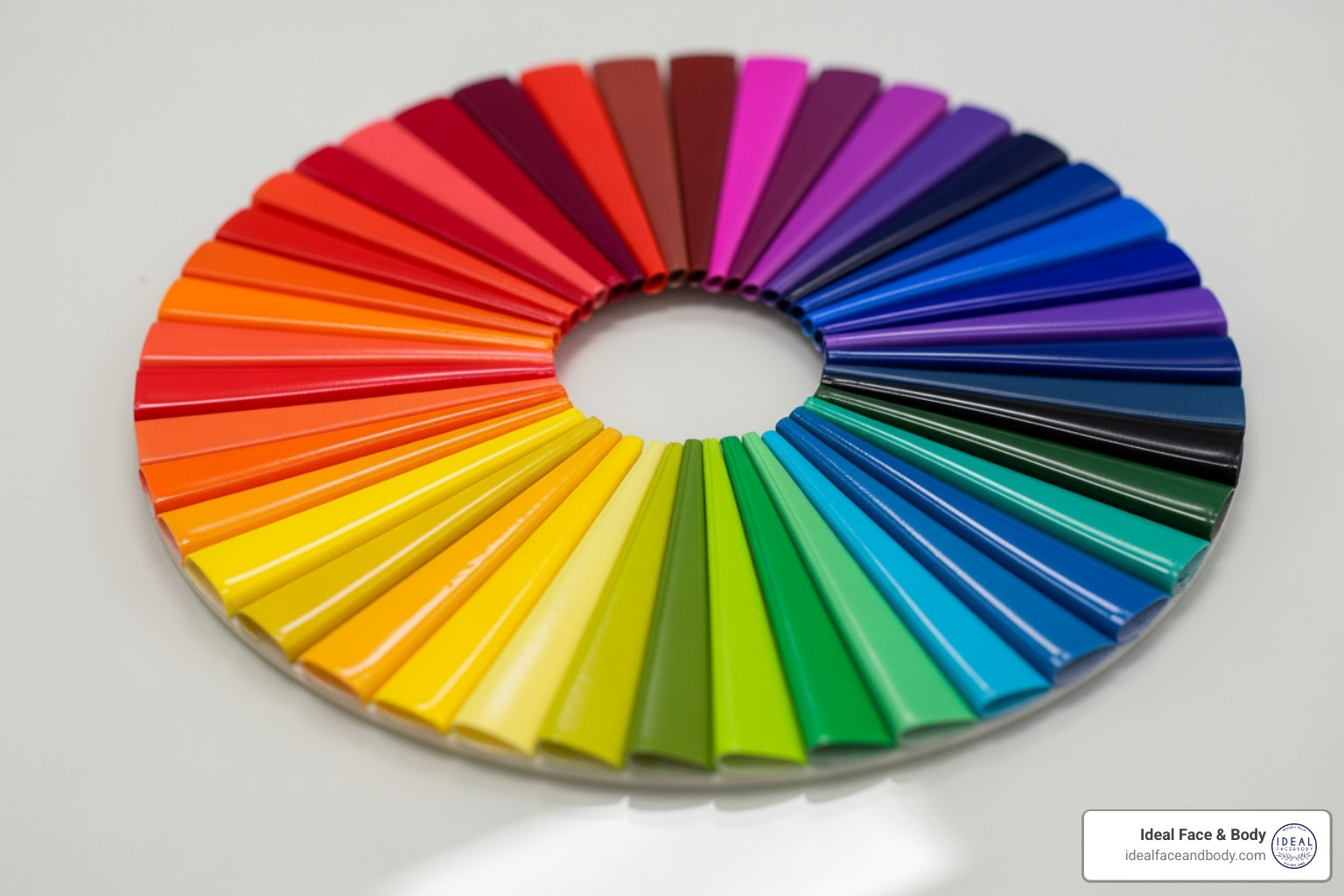
Here’s a breakdown of common wavelengths and the colors they target:
- 1064 nm (Nd:YAG): Excellent for black, dark blue, and dark brown inks. This wavelength penetrates deeply and is safer for darker skin types.
- 532 nm (KTP, Nd:YAG): Highly effective for red, orange, yellow, and pink pigments.
- 755 nm (Alexandrite): Ideal for green, light blue, and purple inks, often tackling those notoriously stubborn shades.
- 694 nm (Ruby): Also strong for black, blue, and green inks, particularly effective for green.
Targeting Dark and Black Inks
The 1064 nm wavelength is the champion for black tattoos. Delivered by an Nd:YAG laser, it’s highly effective because it is minimally absorbed by skin pigment (melanin). This allows it to penetrate deeply to the tattoo ink without damaging the surrounding skin, making it particularly safe for all skin tones, including darker complexions. This is central to our approach to Tattoo Removal for Dark Skin in Beverly Hills.
Removing Reds, Oranges, and Warm Tones
For vibrant reds, oranges, yellows, and pinks, the 532 nm wavelength is our go-to. Delivered by a KTP or Nd:YAG laser, it’s highly absorbed by these warm-toned pigments and breaks them down effectively. However, this wavelength is also absorbed by melanin, so we use it with extra care on darker skin tones to avoid pigment changes. This highlights the precision required in matching the laser to both ink and skin type.
Erasing Stubborn Greens and Blues
Green and blue inks have a reputation for being stubborn, but we have specialized lasers to tackle them. The 755 nm wavelength from an Alexandrite laser and the 694 nm wavelength from a Ruby laser are both strong contenders. Picosecond lasers, in general, are particularly adept at clearing blue and green pigments. Their photoacoustic effect excels at shattering these difficult colors, delivering the targeted energy needed for effective removal.
What Are the Best Lasers for Tattoo Removal? Factors Beyond Technology
While advanced laser technology is crucial, the success of your tattoo removal is influenced by many other factors. It’s not just about the laser; it’s about the tattoo itself, your skin, and your overall health.
Here are the key factors we consider:
- Tattoo Age: Older tattoos tend to fade more easily, as your body has already begun breaking down the ink over time.
- Ink Density and Color: Densely packed ink requires more effort to break down. Professional tattoos often have denser ink placed deeper than amateur ones, making them tougher to remove.
- Tattoo Location: Areas with good blood circulation, like the torso, tend to clear faster because the immune system can more efficiently transport shattered ink away. Tattoos on extremities like ankles or fingers may take longer.
- Skin Type (Fitzpatrick Scale): Your skin’s natural melanin content is a critical consideration. Darker skin types are more prone to pigmentary changes, so we select wavelengths and settings with extreme care, often using longer wavelengths like the 1064 nm Nd:YAG. Our expertise in Tattoo Removal for Dark Skin ensures a custom approach for every skin tone.
- Individual Health and Immune System: Your immune system is the hero of tattoo removal. A healthy immune system more efficiently carries away the shattered ink fragments, which can speed up the process.
- Previous Treatment: If a tattoo has been treated before, especially with older methods, it might require a different approach.
- Scarring Tendencies: A history of keloids means we must proceed with extra caution, using conservative settings to minimize risks.
To tailor your plan, we often use comprehensive assessment tools like the Kirby-Desai scale, which considers these factors. We combine this with our clinical expertise to create a truly personalized journey for you. You can see some of the incredible changes we’ve achieved on our Tattoo Removal Before and After Pictures page.
Safety First: Understanding the Risks and Side Effects
Ensuring your safety is our top priority. While modern lasers have made tattoo removal safer than ever, it’s important to understand the potential risks and why professional treatment is non-negotiable.
The Importance of Professional Treatment: Laser tattoo removal is a medical procedure requiring specialized equipment and expert knowledge. At our Beverly Hills clinic, certified technicians under the supervision of Dr. Sarah Yovino and Dr. Justin Yovino are extensively trained in laser physics and skin biology to minimize risks and optimize outcomes.
Risks of At-Home Devices: Steer clear of at-home laser devices. They lack the power and precision for effective removal and pose significant risks, including burns, scarring, permanent skin discoloration, and infection. Professional guidance is always the safest and most effective choice.
Potential Side Effects You Might Experience (Temporarily!):
After a professional session, it’s normal to experience some temporary side effects as your body heals:
- Redness and Swelling: Similar to a sunburn, this usually subsides within a few hours to a few days.
- Blistering: Small blisters may form as part of the healing process. Do not pop them!
- Crusting: A thin crust or scab may develop and will naturally flake off in a week or two.
- Pinpoint Bleeding: Tiny spots of blood immediately after treatment are normal and temporary.
- Itching: The area may become itchy as it heals. Avoid scratching to prevent infection.
Less Common, More Persistent Side Effects:
While rare, more persistent side effects can occur, especially without proper protocols:
- Hypopigmentation (Lightening): The treated skin may appear lighter. This is usually temporary but can be permanent.
- Hyperpigmentation (Darkening): The treated skin may appear darker. This is often temporary and manageable.
- Paradoxical Darkening: Some cosmetic inks (flesh-toned, pink, white) can darken when treated. This can be addressed with further sessions.
- Scarring: Though rare with modern lasers, scarring is a possibility, especially with a history of keloids.
- Allergic Reactions: In rare cases, the laser can trigger an allergic reaction to the tattoo ink.
Proper Aftercare is Key: We provide detailed aftercare instructions to minimize side effects and promote healing. This includes keeping the area clean, avoiding sun exposure, and not picking at scabs or blisters. Your commitment to aftercare is crucial for the best results. For a complete guide, check out our Removal of Unwanted Tattoos page.
Frequently Asked Questions about Laser Tattoo Removal
We know you have questions, and we’re here to provide clear answers to the most common inquiries we receive at Ideal Face & Body.
Is laser tattoo removal painful?
Pain perception is highly individual. Many patients describe the sensation as a rubber band snapping against the skin—often compared to getting the tattoo, but much faster. We have several strategies to make your experience as comfortable as possible:
- Topical Numbing Cream: We apply a high-strength anesthetic cream before your session to significantly dull the sensation.
- Cooling Devices: During treatment, we use devices that blow cold air onto the skin to numb the area and reduce discomfort.
- Quick Sessions: Sessions are remarkably fast, often lasting only a few minutes for smaller tattoos.
Our goal is to ensure you are comfortable. We are happy to discuss our pain management options, including Local Anesthetic Tattoo Removal, during your consultation.
How many sessions will I need?
There’s no single magic number, as the total depends on factors unique to you and your tattoo. The number of sessions is influenced by:
- Tattoo Characteristics: Age, ink density, colors, and whether it’s a professional or amateur tattoo.
- Laser Type Used: Picosecond lasers often require fewer sessions (e.g., 4-10) than nanosecond lasers (e.g., 8-15+) due to their efficiency.
- Your Skin and Health: Your immune response plays a crucial role in clearing the shattered ink.
- Desired Outcome: Complete removal will require more sessions than fading for a cover-up.
Treatments are typically spaced 6 to 8 weeks apart to allow your body to clear the ink and your skin to heal. We will provide a personalized estimate during your consultation.
Can all tattoos be completely removed?
While modern laser technology has made incredible strides, 100% removal isn’t always guaranteed. However, we achieve significant fading and often near-complete removal for most tattoos, with very high success rates.
Complete removal depends on:
- Ink Colors: Yellow, orange, and green inks can be more resistant and may require more sessions.
- Ink Composition: The chemical makeup of the ink can affect how it responds to the laser.
- Depth and Density: Very deep or dense tattoos are more challenging to remove entirely.
Even if a tattoo isn’t rendered completely invisible, we can often fade it to be barely noticeable or perfectly prepped for a cover-up. We set realistic expectations during your consultation to help you Get Rid of Tattoo with the best possible outcome.
Your Next Step to Clearer Skin in Beverly Hills
Choosing what are the best lasers for tattoo removal is a critical decision, and as you’ve learned, it’s not a one-size-fits-all answer. The ideal laser—or combination of lasers—depends on the unique characteristics of your tattoo, your skin type, and your personal goals. Technology matters, but so does the expertise of the people wielding it.
At Ideal Face & Body in Beverly Hills, we pride ourselves on offering advanced laser tattoo removal solutions custom to your individual needs. Under the expert guidance of Dr. Sarah Yovino and Dr. Justin Yovino, our certified professionals bring a wealth of experience and a commitment to patient safety and satisfaction. We believe in a personalized approach, ensuring that we use the most appropriate laser wavelengths and pulse durations to effectively and safely remove your unwanted ink.
We invite you to experience the difference that cutting-edge technology and compassionate care can make. Your journey to clearer skin begins with a conversation. Let us assess your tattoo, discuss your options, and craft a custom treatment plan designed to achieve the best possible results for you.
Ready to say goodbye to that unwanted tattoo? Contact us today to schedule your personalized consultation at Ideal Face & Body in Beverly Hills. Let’s start your change. Visit our Laser Tattoo Removal Beverly Hills page to learn more and book your appointment.