Ab Fat Removal: Ultimate Permanent 2025
Why Abdominal Fat Removal Is More Than Just Cosmetics

Ab fat removal refers to procedures—both surgical and non-surgical—that reduce stubborn fat deposits in the abdominal area that don’t respond to diet and exercise. Here’s what you need to know:
- Surgical options include liposuction techniques (tumescent, ultrasound-assisted, laser-assisted, power-assisted) that permanently remove fat cells
- Non-surgical options include cryolipolysis (fat freezing), laser lipolysis, radiofrequency treatments, and injectables that reduce fat gradually with little to no downtime
- Results are permanent for removed fat cells, but maintaining a stable weight is essential
- Not for weight loss—these procedures are for body contouring in people at or near their ideal weight
- Best candidates have stubborn fat pockets, good skin elasticity, and realistic expectations
Stubborn belly fat is the #1 concern among people considering cosmetic procedures. Even with regular exercise and a healthy diet, localized abdominal fat deposits often refuse to budge. This isn’t about vanity—excess belly fat, particularly visceral fat around your organs, carries real health implications. But here’s the good news: modern fat removal techniques can target the subcutaneous fat (the pinchable layer just under your skin) to reshape your abdomen and boost your confidence.
Americans spend billions of dollars annually trying to achieve a flatter stomach, yet diet and exercise alone often can’t eliminate those persistent bulges. That’s because once you reach adulthood, the number of fat cells in your body remains relatively constant. When you gain weight, those cells expand; when you lose weight, they shrink—but they don’t disappear. Fat removal procedures actually reduce the number of fat cells in treated areas, creating lasting contour changes that diet alone cannot achieve.
I’m Dr. Sarah Yovino, a double board-certified physician specializing in non-surgical medical aesthetics and body rejuvenation at Ideal Face & Body in Beverly Hills, CA. With extensive training in both surgical and non-surgical ab fat removal techniques, I help patients achieve natural-looking results through personalized treatment plans. In this comprehensive guide, I’ll walk you through everything you need to know about removing stubborn abdominal fat—from understanding what type of fat you have, to choosing between surgical liposuction and non-invasive alternatives, to maintaining your results for life.
Understanding Abdominal Fat: What Can Be Treated?
When we talk about ab fat removal, it’s crucial to understand that not all abdominal fat is created equal. The abdomen can hold two main types of fat: subcutaneous fat and visceral fat. These types differ in their location, health implications, and how we approach their removal.
Subcutaneous vs. Visceral Fat
Let’s break down the two primary types of fat found in your midsection:
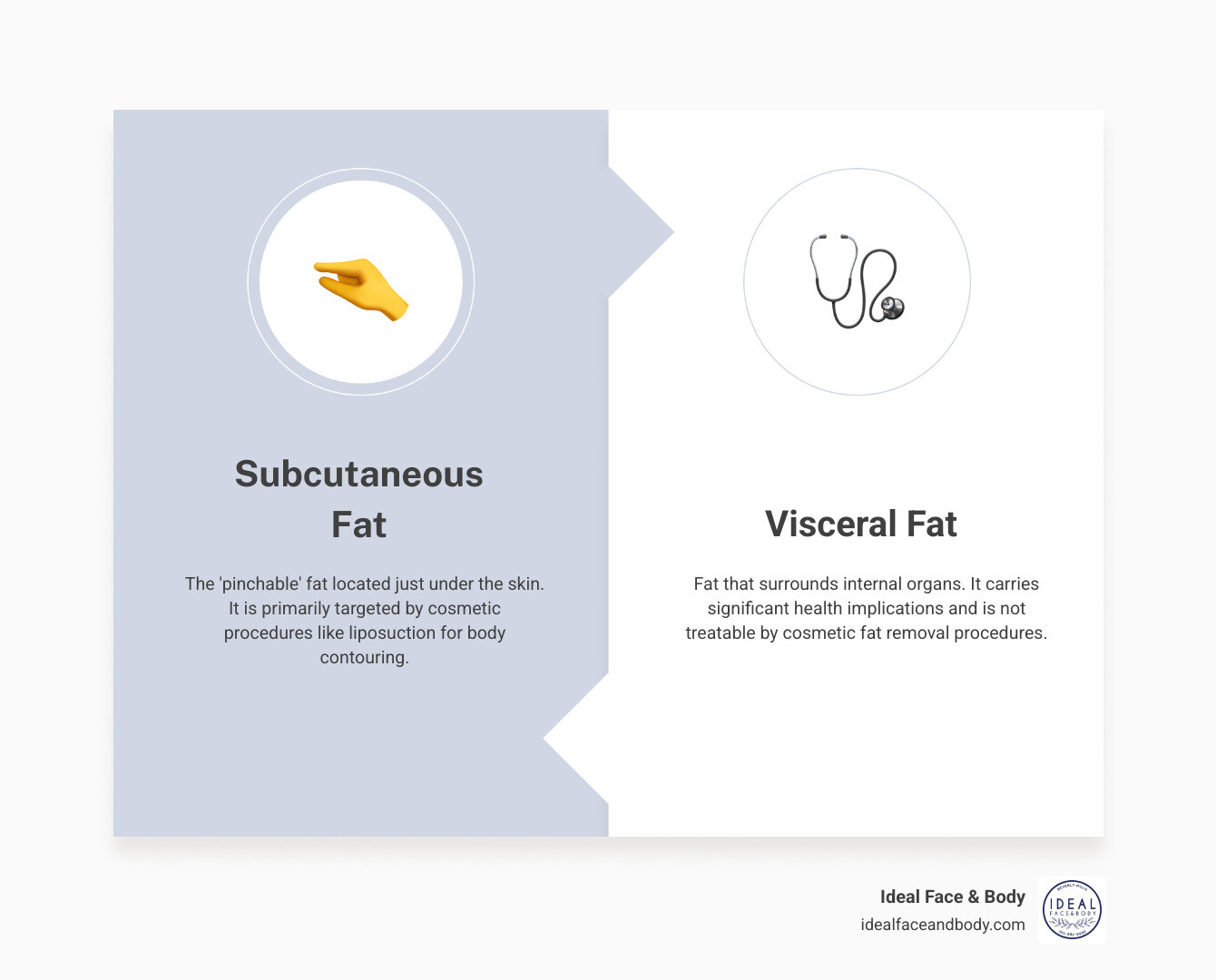
- Subcutaneous Fat: This is the “pinchable” fat that lies just beneath your skin and above your abdominal muscles. It’s the fat you can grab and feel. While excess subcutaneous fat can affect your body contour and how clothes fit, it generally poses fewer immediate health risks compared to visceral fat. This is the type of fat that ab fat removal procedures, like liposuction, are designed to target. Liposuction works by physically removing these fat cells, leading to a more sculpted appearance.
- Visceral Fat: Often referred to as “belly fat” or “abdominal organ fat,” visceral fat is located deep within your abdominal cavity, surrounding your internal organs such as the stomach, liver, and intestines. This type of fat is metabolically active and is strongly linked to various health issues, including heart disease, type 2 diabetes, and certain cancers. Experts at Rush University Medical Center emphasize that addressing visceral fat primarily involves lifestyle changes. Surgical and non-surgical cosmetic procedures like liposuction do not remove visceral fat.
So, while we can effectively remove subcutaneous fat to improve your silhouette, managing visceral fat requires a holistic approach focused on diet and exercise.
Are You a Good Candidate for Fat Removal?
Deciding if ab fat removal is right for you involves a thorough evaluation. We look for several key indicators to ensure the best possible outcomes and patient safety. Generally, ideal candidates for liposuction or non-surgical fat reduction are:
- Within 30% of their ideal weight: These procedures are for body contouring, not a substitute for significant weight loss. If you’re considerably overweight, we’ll discuss weight management strategies first.
- Have firm, elastic skin: Good skin elasticity is vital for smooth results after fat removal. If your skin is lax or thin, it may not conform well to your new contours, potentially leading to an uneven appearance.
- Have a stable body weight: Significant weight fluctuations after a procedure can compromise your results. We recommend maintaining a consistent weight for at least six months prior to treatment.
- Non-smokers: Smoking can impair healing and increase the risk of complications. We advise patients to stop smoking well in advance of any procedure.
- Healthy individuals: You should be free from life-threatening illnesses or medical conditions that could impair healing.
- Have realistic expectations: Understanding what these procedures can and cannot achieve is crucial. We work with you to set achievable goals for your body contouring journey.
As the American Society of Plastic Surgeons notes, liposuction is best for people of normal weight with localized fat deposits that haven’t responded to diet and exercise. If you fit these criteria, we can help you explore the most suitable options for your ab fat removal goals.
Surgical Ab Fat Removal: A Deep Dive into Liposuction
When diet and exercise aren’t enough to achieve the abdominal contour you desire, surgical ab fat removal through liposuction can offer a transformative solution. Liposuction, also known as lipoplasty, is a sophisticated body contouring procedure that precisely removes excess fat deposits, leading to a smoother, more defined physique. Liposuction permanently reduces the number of fat cells in the treated area, offering lasting results for those who maintain a stable weight.
Types of Abdominal Liposuction
Over the years, liposuction techniques have evolved, offering various methods to suit individual needs and preferences. Here at Ideal Face & Body, we specialize in providing advanced and comfortable options, including “Precision Sculpt” awake liposuction. The different types of liposuction include:
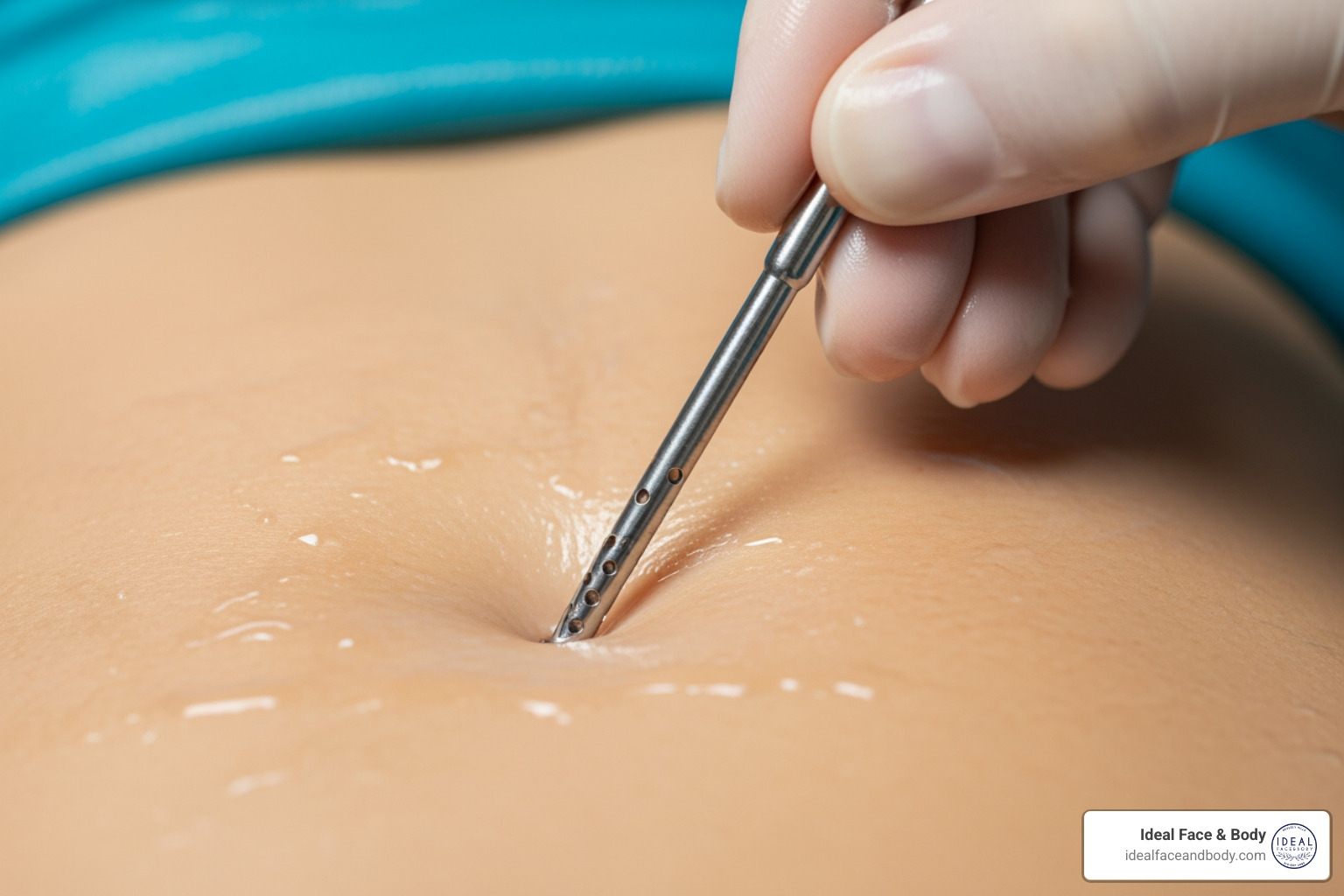
- Tumescent Liposuction: This is the most common form. A large volume of a saline solution containing lidocaine (a local anesthetic) and epinephrine (a blood vessel constrictor) is injected into the fatty area. This solution numbs the area, minimizes blood loss, and makes fat removal easier. The fat is then suctioned out using a thin tube called a cannula.
- Ultrasound-Assisted Liposuction (UAL): UAL uses ultrasonic energy to liquefy fat cells before they are suctioned out. This can be particularly effective for dense, fibrous fat and in areas like the upper abdomen and back. VASER liposuction is a popular type of UAL.
- Power-Assisted Liposuction (PAL): PAL uses a cannula that vibrates rapidly, making it easier for the surgeon to move through fatty tissue and remove fat with less effort. This can result in a more precise and efficient fat removal, often with less discomfort for the patient.
- Laser-Assisted Liposuction (LAL): Also known as laser lipolysis, LAL uses controlled laser energy to melt fat cells, which are then either suctioned out or naturally eliminated by the body. A key benefit of LAL is its ability to stimulate collagen production, which can lead to skin tightening in the treated area.
- Awake Liposuction (e.g., Precision Sculpt): This technique often uses tumescent solution and local anesthesia, allowing patients to remain awake and comfortable throughout the procedure. This can reduce the risks associated with general anesthesia and allow for easier communication with the surgeon during the procedure to achieve optimal contouring. Our “Precision Sculpt” awake liposuction is designed to provide precise results with improved patient comfort.
The Liposuction Journey: From Consultation to Recovery
Starting on an ab fat removal journey is a significant decision, and we are here to guide you every step of the way.
Choosing a Qualified Surgeon: This is perhaps the most critical step. We recommend choosing a board-certified plastic surgeon with specialized training and experience in liposuction. Look for a surgeon, like Dr. Sarah Yovino or Dr. Justin Yovino at Ideal Face & Body, who is affiliated with reputable medical centers and can demonstrate a track record of successful outcomes. During your consultation, don’t hesitate to ask about their specific training, years of practice, and the number of procedures they’ve performed.
Preparing for Abdominal Liposuction Surgery: Once you’ve chosen your surgeon, we’ll provide detailed instructions to prepare you for your procedure. This typically includes:
- Medical evaluation: A thorough review of your medical history, including any allergies or medications you’re taking.
- Medication adjustments: You may need to stop certain medications, such as blood thinners or NSAIDs, for a period before surgery.
- Dietary and alcohol restrictions: Specific guidelines will be provided to optimize your health for the procedure.
- Smoking cessation: If you smoke, we’ll strongly advise you to quit several weeks before surgery to promote better healing.
- Lab testing: Blood tests or other evaluations may be required.
- Arranging support: You’ll need someone to drive you home after the procedure and assist you for at least the first night.
What Happens During an Abdominal Liposuction Procedure: On the day of your surgery, we prioritize your comfort and safety.
- Anesthesia: Depending on the extent of the procedure and your preference, you’ll receive either local anesthesia (often used in awake liposuction), regional anesthesia, or general anesthesia. For our “Precision Sculpt” awake liposuction, local anesthesia ensures you’re comfortable and pain-free while remaining conscious.
- Incision: Small, inconspicuous incisions are made in the treatment area.
- Fat removal: A thin tube called a cannula is inserted through these incisions. The cannula is moved back and forth to break up or liquefy the fat cells, which are then gently suctioned out.
- Closure: The incisions are typically closed with small stitches.
The duration of the procedure varies based on the amount of fat being removed and the number of areas being treated.
The Recovery Process After Abdominal Liposuction: Recovery is a crucial phase for optimal results.
- Immediate post-op: You may experience some bruising, swelling, and soreness. We’ll provide pain medication to manage any discomfort, which some describe as a “burning” sensation.
- Compression garments: You’ll be instructed to wear a compression garment for several weeks. This helps reduce swelling, supports the treated area, and encourages your skin to conform to its new contours.
- Drains: In some cases, small drains may be placed temporarily to collect excess fluid.
- Activity: Most people can return to light activities within a few days, but strenuous exercise should be avoided for several weeks.
- Follow-up: We’ll schedule follow-up appointments to monitor your healing and ensure a smooth recovery.
For more detailed information on the liposuction procedure, you can refer to resources like the Mayo Clinic’s guide on liposuction: https://www.mayoclinic.org/tests-procedures/liposuction/about/pac-20384586.
Exploring Non-Surgical Alternatives for Abdominal Fat
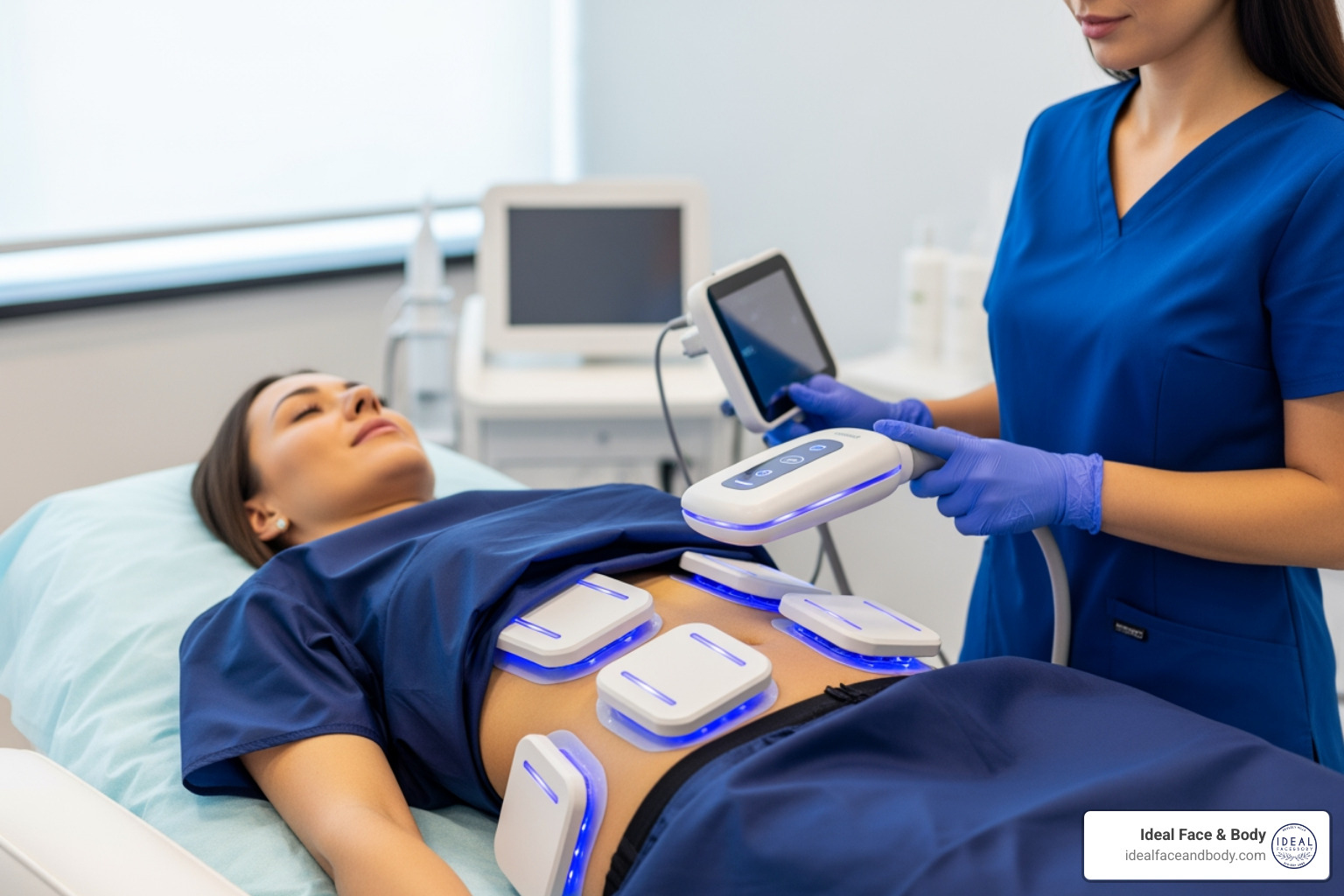
For those looking for ab fat removal without the invasiveness of surgery, a range of non-surgical options are available. These treatments are typically minimally invasive, require little to no downtime, and offer gradual but noticeable results, making them ideal for smaller, stubborn fat pockets.
Popular Non-Surgical Ab Fat Removal Techniques
Non-surgical fat reduction technologies work by damaging fat cells, which your body then naturally processes and eliminates over time. Here are some of the most popular methods:
-
Cryolipolysis (Fat Freezing): This technique, famously used in CoolSculpting, uses controlled cooling to freeze and destroy fat cells without harming the surrounding tissues. Once frozen, the fat cells crystallize and die, then are naturally eliminated by your body over several weeks to months. Studies show that up to 25% fat reduction per treatment is typical. In a clinical study, up to 20–25% of fat layer reduction was seen at 2 and 6 months in treated areas. Treatments typically take 35 to 60 minutes, and common side effects include temporary swelling, numbness, redness, and tingling.
For more on the clinical efficacy of cryolipolysis, you can explore studies like this one: https://www.ncbi.nlm.nih.gov/pmc/articles/PMC4079633/. -
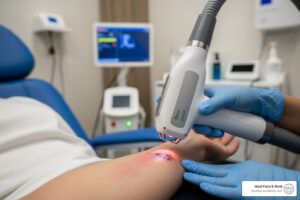
Laser Lipolysis (Fat Melting): Devices like SculpSure use controlled laser heat to target and destroy fat cells. The heat penetrates the skin, raising the temperature of fat cells to a point where they are damaged and eventually eliminated by the body. An added benefit of laser lipolysis is that the heat can stimulate collagen production, which may lead to some skin tightening in the treated area. A single session can take around 25 minutes per area.
-
Radiofrequency (RF) Treatments: RF energy delivers heat to the fat cells, causing them to break down. Some RF devices also help tighten the skin by stimulating collagen and elastin production. These treatments are generally comfortable and involve no downtime.
-
Injectable Treatments: While primarily known for treating submental (under-chin) fat, injectable treatments like Kybella use deoxycholic acid (a naturally occurring molecule in the body that aids in the breakdown and absorption of dietary fat) to destroy fat cells on contact. It’s injected directly into the fat pocket, and the destroyed cells are then metabolized by the body. These treatments require an advanced understanding of anatomy and should only be performed by qualified professionals.
These non-surgical options are excellent for individuals who are close to their ideal weight but struggle with small, localized pockets of fat that are resistant to diet and exercise. They are not intended for significant weight loss but rather for subtle body contouring.
Comparing Surgical vs. Non-Surgical Fat Reduction
Choosing between surgical and non-surgical ab fat removal can be challenging. This table provides a quick comparison to help you understand the differences:
| Feature | Surgical Fat Reduction (Liposuction) | Non-Surgical Fat Reduction |
|---|---|---|
| Results Immediacy | More immediate and dramatic | Gradual, appearing over weeks to months |
| Invasiveness | Invasive (requires incisions, anesthesia) | Minimally invasive to non-invasive (no incisions, injections, or external devices) |
| Downtime | Varies, typically a few days to weeks for recovery | Little to no downtime, immediate return to daily activities |
| Ideal Candidate | Near ideal weight, good skin elasticity, larger fat deposits | Near ideal weight, good skin elasticity, smaller, localized fat pockets |
| Number of Sessions | Often one procedure for desired results | Typically multiple sessions required (e.g., 2-4 for cryolipolysis, 1-10 for RF) |
| Fat Reduction Capability | Can remove significant volumes of fat in one session | Up to 20-25% fat reduction per treated area per session |
Liposuction vs. Tummy Tuck: Which Is Right for Your Abdomen?
When considering ab fat removal, it’s common to weigh liposuction against another popular procedure: the tummy tuck, or abdominoplasty. While both aim to improve the abdominal contour, their primary goals and methods differ significantly.
-
Liposuction for Abdominal Fat Removal: As we’ve discussed, liposuction is primarily a fat removal procedure. It targets and suctions out subcutaneous fat deposits to sculpt and reshape the abdomen. It’s ideal for individuals who have good skin elasticity and muscle tone but are bothered by localized pockets of fat that don’t respond to diet and exercise. Liposuction does not address excess skin or muscle laxity.
-
Abdominoplasty (Tummy Tuck): A tummy tuck is a more extensive surgical procedure designed to remove significant amounts of excess skin and fat from the abdomen, and to tighten the underlying abdominal muscles. This procedure is particularly beneficial for individuals who have experienced significant weight loss, pregnancy, or aging, resulting in:
- Excess skin: Often seen as loose, sagging skin that hangs over the abdomen.
- Muscle laxity: Weakened or separated abdominal muscles (diastasis recti), which can cause a protruding belly even without much fat.
Which is Right for You?
- If your primary concern is stubborn fat pockets with relatively good skin quality and muscle tone, liposuction is likely the more suitable option.
- If you have significant loose skin, stretched abdominal muscles, or both, a tummy tuck might provide a more comprehensive solution for a flatter, firmer abdomen.
It’s also possible to combine procedures. For instance, liposuction can be performed in conjunction with a tummy tuck to refine contours in adjacent areas or achieve a more sculpted result. We will discuss your specific concerns and goals during your consultation to determine the best approach for you.
Maintaining Your Results: Lifestyle and Long-Term Success
Achieving your desired abdominal contour through ab fat removal is a fantastic step, but maintaining those results is key to long-term satisfaction. These procedures remove fat cells, but they don’t prevent new fat cells from forming or existing ones from expanding if you gain weight. Our approach at Ideal Face & Body emphasizes a holistic view, encouraging lifestyle choices that support your newly sculpted physique.
- Stable Weight is Paramount: The results of liposuction are usually permanent as long as your weight remains the same. If you gain weight, the remaining fat cells in treated areas can still enlarge, and fat can accumulate in untreated areas. Aim for a healthy, stable weight to preserve your contours.
- Healthy Diet: A balanced, nutritious diet is crucial. Focus on whole foods, lean proteins, fruits, and vegetables. A diet that’s low in fat and carbohydrates can improve artery function, and we know that losing belly fat, in particular, can improve overall heart health. You don’t have to cut out all dietary fat, but making smart choices is important.
- Regular Exercise: Physical activity is vital. Moderate-intensity exercise not only helps burn calories and maintain weight but also improves artery function and overall well-being. This doesn’t mean endless crunches (which primarily tone muscles but don’t directly burn visceral fat); rather, it means consistent activity that gets your heart rate up. Developing more muscle through weight training can also boost your metabolism, helping you burn more calories even at rest.
- Hydration: Drinking plenty of water supports overall health and can help your body function optimally, including metabolism.
- Adequate Sleep: Getting enough quality sleep is often overlooked but plays a significant role in weight management. Insufficient sleep can contribute to weight gain.
We believe in empowering our patients with the knowledge and tools to enjoy lasting results. Combining our advanced ab fat removal techniques with a commitment to a healthy lifestyle will help you enjoy your sculpted abdomen for years to come.
Frequently Asked Questions about Abdominal Fat Removal
We understand you have questions, and we’re here to provide clear, straightforward answers about ab fat removal.
Is ab fat removal permanent?
Yes, the fat cells that are removed during liposuction or destroyed during non-surgical treatments are permanently gone from your body. Once these fat cells are removed or destroyed, they do not regenerate. This means the treated areas will have fewer fat cells. However, it’s crucial to understand that if you gain a significant amount of weight after your procedure, the remaining fat cells in the treated area can still expand, and fat can accumulate in other untreated areas of your body. Maintaining a stable weight through healthy lifestyle choices is essential to preserve your long-term results.
Is liposuction a tool for weight loss?
No, liposuction is not considered an overall weight-loss method or a weight-loss alternative. It is primarily a body contouring procedure designed to remove stubborn fat pockets that are resistant to diet and exercise. People who are overweight or obese can achieve more significant weight loss through diet, exercise, or bariatric surgery. Liposuction is best suited for individuals who are at or near their ideal body weight and wish to refine their shape. The amount of fat removed depends on what the area looks like and the volume of fat, but it’s typically not a large enough amount to significantly impact your overall weight.
What are the biggest risks of abdominal liposuction?
While liposuction is generally safe when performed by a qualified, board-certified surgeon, like Dr. Sarah Yovino or Dr. Justin Yovino, it does carry potential risks and complications, as with any surgical procedure. These can include:
- Contour irregularities: Uneven skin, lumps, or dents can occur due to uneven fat removal or poor skin elasticity.
- Fluid buildup (Seromas): Pockets of fluid can accumulate under the skin, sometimes requiring drainage.
- Numbness: Temporary or, in rare cases, permanent numbness in the treated area.
- Infection: Any surgical procedure carries a risk of infection.
- Internal puncture: Although rare, the cannula can puncture an internal organ, which is a medical emergency.
- Fat embolism: A rare but serious complication where pieces of fat break away and travel to the lungs or brain, potentially causing life-threatening issues.
- Kidney and heart problems: Fluid shifts during large-volume liposuction can lead to severe kidney, heart, and lung complications.
- Lidocaine toxicity: If tumescent solution with lidocaine is used, there’s a risk of toxicity, especially with larger treatment areas.
- Increased risks with multiple procedures: The risk of complications rises if the surgeon works on larger body surfaces or does multiple procedures during the same operation.
We will thoroughly discuss all potential risks and benefits during your consultation to ensure you are fully informed and comfortable with your decision.
Conclusion: Achieving Your Ideal Abdominal Contour
The journey to a flatter, more sculpted abdomen is personal, and at Ideal Face & Body in Beverly Hills, CA, we are dedicated to helping you achieve your aesthetic goals safely and effectively. We’ve explored the differences between subcutaneous and visceral fat, the various surgical liposuction techniques, and the array of non-surgical ab fat removal alternatives. Whether you opt for the transformative power of liposuction, including our comfortable “Precision Sculpt” awake liposuction, or prefer the subtle improvements of non-surgical methods, the key lies in a personalized approach custom to your unique body and aspirations.
These procedures are powerful tools for body contouring, not weight loss solutions. The best results come from a combination of advanced treatments and a commitment to a healthy lifestyle that includes a balanced diet and regular exercise.
We invite you to schedule a consultation with Dr. Sarah Yovino or Dr. Justin Yovino to discuss your options and create a personalized treatment plan. Let us help you achieve the confident, contoured look you’ve always desired.