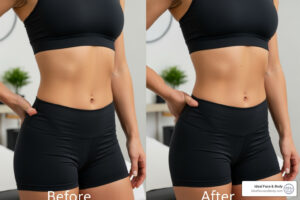
Get flat stomach: Ultimate Secrets 2025
Why a Flat Stomach Matters for Your Health and Confidence
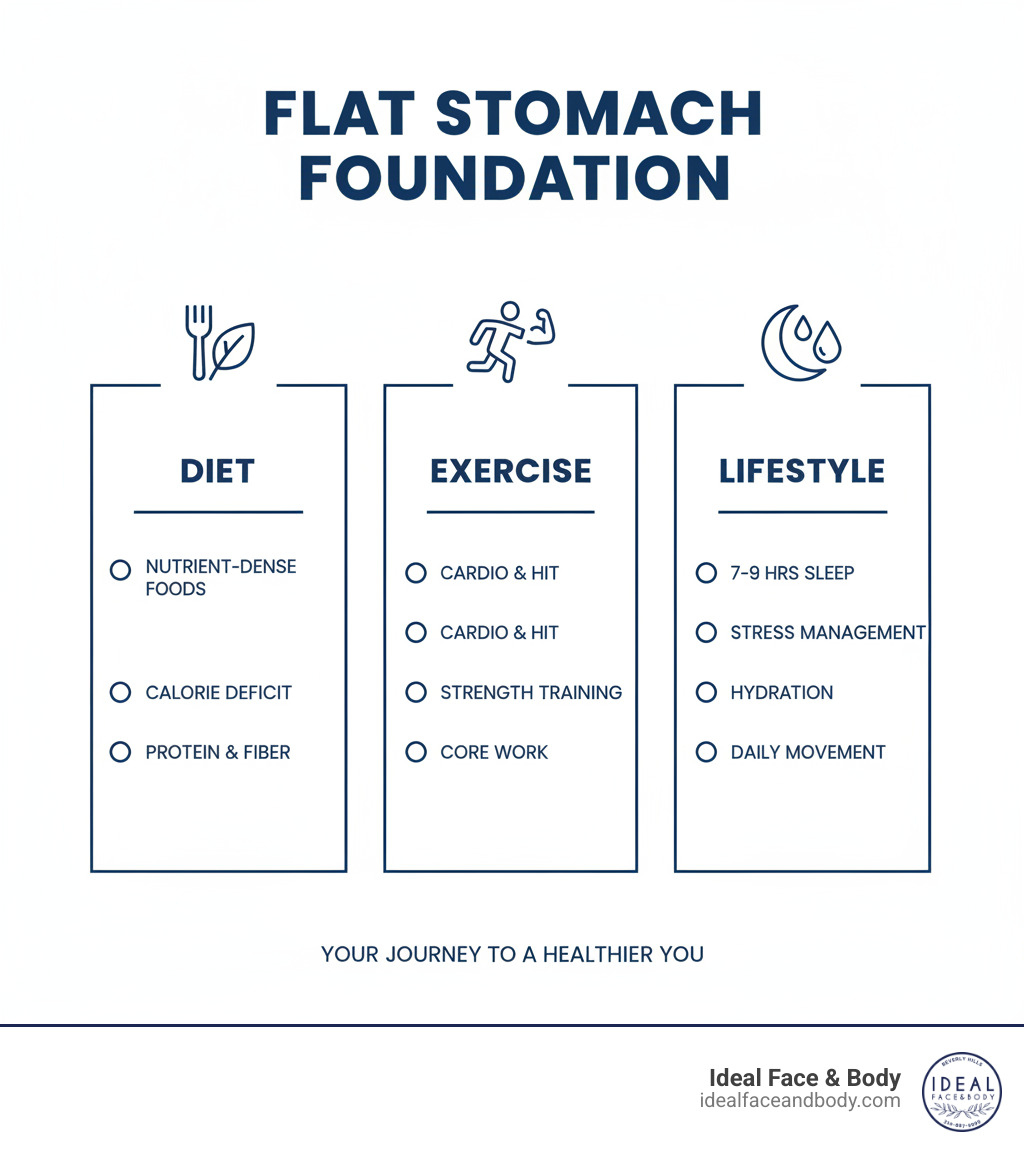
To get flat stomach results, focus on three pillars: a strategic diet, a comprehensive exercise routine, and consistent lifestyle habits. Achieving a flatter midsection requires reducing overall body fat through sustainable, whole-body changes, as you cannot spot-reduce belly fat through crunches alone.
Quick Action Steps to Get a Flat Stomach:
- Create a calorie deficit with nutrient-dense foods.
- Exercise regularly with 150-300 minutes of moderate aerobic activity weekly.
- Strengthen your core with functional exercises.
- Prioritize sleep by getting 7-9 hours nightly.
- Manage stress through mindfulness or hobbies.
- Stay hydrated and move throughout the day.
The desire for a flat stomach isn’t just about aesthetics—it’s fundamentally about your health. Excess abdominal fat poses serious health risks. For women, a waist measurement over 35 inches signals a greater risk of heart disease, diabetes, and even cancer. This deep abdominal fat (visceral fat) releases inflammatory substances that can raise blood pressure and interfere with insulin.
Achieving a flatter stomach requires a comprehensive approach combining smart nutrition, strategic exercise, and healthy lifestyle habits. The good news is that a healthier midsection is achievable through consistent effort, and it will dramatically improve how you feel and live.
As Dr. Sarah Yovino, a specialist at Ideal Face & Body, I help patients in Beverly Hills understand that while lifestyle changes are the foundation to get flat stomach results, some individuals benefit from advanced treatments for stubborn fat. Combining healthy habits with expert aesthetic care can optimize your journey to a trimmer, healthier midsection.
Understanding Belly Fat: More Than Just Skin Deep
The fat around your midsection tells an important story about your health. To get flat stomach results, it’s crucial to understand the two types of belly fat and why reducing them matters.
Why Excess Belly Fat is a Health Concern
Extra weight around your middle actively affects your health. Larger waistlines are linked to a higher risk of heart disease, diabetes and even cancer.
An unhealthy waist measurement is a significant red flag. For women, this is over 35 inches, and for men, it’s over 40 inches. Beyond heart disease and diabetes, excess belly fat also increases the risk for certain cancers, sleep apnea, and stroke. The good news is that your body responds well when you take action to reduce it.
Visceral vs. Subcutaneous Fat: The Hidden Danger
Belly fat comes in two forms, one far more dangerous than the other.

Subcutaneous fat is the pinchable layer just under your skin. While not ideal in excess, it’s the less harmful of the two.
Visceral fat is the real troublemaker. It’s located deep in your abdomen, surrounding vital organs like the liver and pancreas. You can’t see or pinch it. This fat is metabolically active, releasing inflammatory substances that lead to insulin resistance, high blood pressure, and unhealthy cholesterol levels.
Research on visceral fat accumulation directly links it to metabolic syndrome, type 2 diabetes, and cardiovascular disease. This is why our focus is not just on appearance but on reducing this hidden health threat.
Genetics can predispose some people to store more belly fat, but you can influence this through daily lifestyle choices. This guide will give you the tools to reduce both types of fat and improve your health.
The Flat-Stomach Diet: Fueling Your Body for Fat Loss
Achieving a flat stomach starts in the kitchen. The goal is to create a calorie deficit not by eating less, but by eating smarter. Focus on nutrient-dense foods that provide vitamins and minerals while keeping you satisfied. Reading food labels is a key skill to avoid hidden sugars and unhealthy fats in processed foods, which work against your goal to get flat stomach results.
Prioritize Protein and Fiber to Stay Full
Protein and fiber are game-changers for belly fat reduction. A high-protein diet increases fullness and boosts your metabolism, as your body works harder to digest it. The importance of protein for weight loss is well-documented; it helps retain lean muscle during weight loss, which keeps your metabolism active.
Soluble fiber absorbs water in your digestive tract, slowing digestion and keeping you fuller longer. It also helps protect against visceral fat accumulation.
- High-Protein Foods: Lean meats (chicken, turkey), fatty fish (salmon, tuna), Greek yogurt, cottage cheese, lentils, beans, tofu, and quinoa.
- High-Fiber Foods: Berries, apples, broccoli, Brussels sprouts, oats, whole grains, nuts, seeds, and black beans.
Cut Back on Sugar and Refined Carbs to Get a Flat Stomach
Reducing added sugar and refined carbs can dramatically transform your midsection. Studies on sugar and waist size show a clear link between sugar-sweetened beverages and increased belly fat. Sugar causes blood sugar spikes and crashes, triggering cravings and signaling your body to store fat.
Refined carbs like white bread, pastries, and crackers act similarly to sugar. They are stripped of fiber, causing rapid digestion and blood sugar spikes that lead to more hunger and fat storage. The solution is to swap them for whole grains like brown rice, whole-wheat bread, and oats. These provide sustained energy and help regulate blood sugar, supporting your goal to get flat stomach results.
Accept Healthy Fats and Probiotics
Fat doesn’t automatically make you fat; the right kinds are essential. Diets rich in monounsaturated fatty acids (MUFAs), found in olive oil, avocados, and nuts, are linked to reduced belly fat. Omega-3 fatty acids, found in fatty fish like salmon, are also tied to reduced belly fat.
Probiotics are also important. Research on probiotics and weight management suggests a healthy gut microbiome can support weight management. Find beneficial bacteria in fermented foods like yogurt with live cultures, kefir, kimchi, and sauerkraut. This dietary approach is about nourishment, not deprivation.
The Ultimate Workout Plan for a Flatter Stomach
While diet is foundational, exercise sculpts the body. To get flat stomach results, you need a workout strategy that burns fat, builds muscle, and boosts your metabolism.
The Myth of Spot Reduction: Why Crunches Aren’t Enough to Get a Flat Stomach
One of the biggest fitness myths is that you can target fat loss in one area, like the abdomen. The truth is, targeted fat loss is not possible. When you exercise, your body uses fat from all over, not just the area you’re working.

While experts debate on targeted fat loss, the consensus is clear: it doesn’t work. Crunches and other ab exercises are great for strengthening your core muscles, which improves posture and functional fitness. However, they won’t burn the layer of fat on top of those muscles. To reveal a toned midsection, you must focus on reducing your overall body fat percentage through diet and full-body exercise.
Combine Cardio, HIIT, and Strength Training for Best Results
The most effective workout plan combines cardiovascular exercise, High-Intensity Interval Training (HIIT), and strength training.
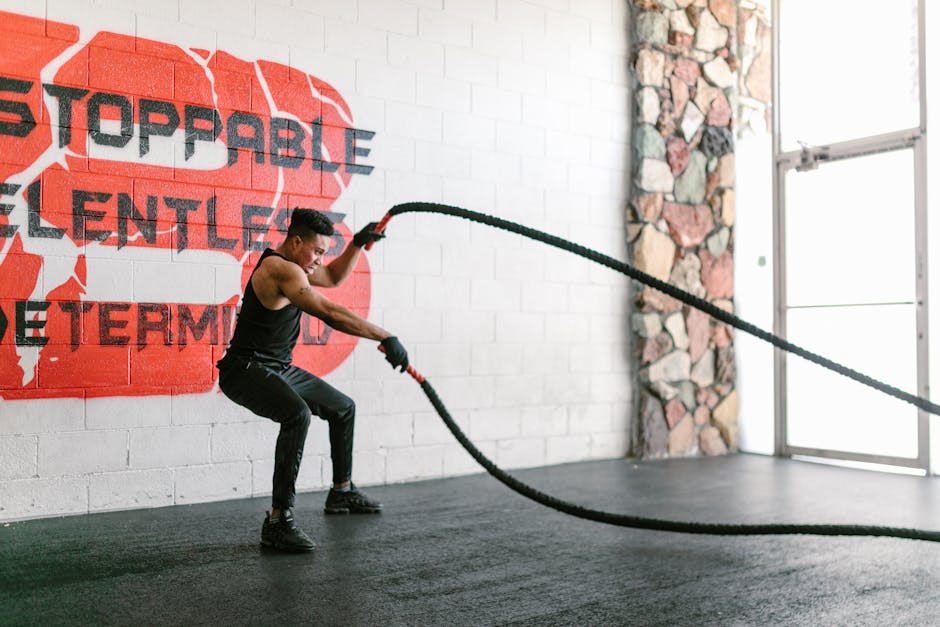
- Aerobic Activity (Cardio): Brisk walking, jogging, or cycling burns calories to create a fat-loss deficit. The U.S. physical activity guidelines recommend 150-300 minutes of moderate-intensity aerobic activity per week.
- High-Intensity Interval Training (HIIT): This involves short bursts of intense exercise followed by brief recovery. HIIT is time-efficient and triggers an “afterburn effect” (EPOC), where your body continues to burn calories post-workout.
- Strength Training: Lifting weights or doing bodyweight exercises builds and preserves lean muscle. Muscle burns more calories at rest than fat, boosting your overall metabolism. Resistance training is also effective at reducing total body and visceral fat.
5 Core-Strengthening Exercises
While you can’t spot-reduce fat, you can tone the muscles underneath. A strong core contributes to a flatter appearance as you lose overall body fat.
- Plank: Lie face down, propped on your forearms and toes, keeping a straight line from head to heels. Hold for 30-60 seconds.
- Bicycle Crunches: Lie on your back and bring your opposite elbow to your opposite knee in a pedaling motion, targeting upper abs, lower abs, and obliques.
- Leg Raises: Lie on your back and slowly lift your straight legs toward the ceiling, then lower them with control. This targets the lower abs.
- Bird-Dog: On all fours, extend your opposite arm and leg simultaneously while keeping your core tight and back flat. This builds stability.
- Side Plank: Lie on your side, propped on one forearm, and lift your hips to form a straight line. This targets the obliques.
Incorporate these exercises into your routine to build a strong, functional core that supports your journey to a flatter stomach.
Essential Lifestyle Habits for a Trimmer Midsection
Achieving a flat stomach extends beyond diet and exercise. Daily habits related to sleep, stress, and general activity create the foundation for lasting success.
The Critical Role of Sleep in Weight Management
Sleep is a powerful weight management tool. Most adults should aim for at least 7 hours of sleep per night. Lack of sleep disrupts hunger hormones, increasing ghrelin (the hunger hormone) and decreasing leptin (the fullness hormone). This leads to increased hunger and cravings for high-calorie foods.
Sleep deprivation also raises levels of the stress hormone cortisol, which is linked to belly fat storage. A 2021 study found that better sleep health was associated with greater weight loss and fat loss. Prioritizing quality sleep is a non-negotiable step to get flat stomach results.
How to Manage Stress to Reduce Belly Fat
Chronic stress directly contributes to belly fat. It often leads to emotional eating and cravings for unhealthy foods. Stress also causes the body to produce cortisol, a hormone that increases appetite and signals the body to store fat around the abdomen.
Managing stress is crucial. Practices like mindfulness, meditation, and yoga can lower cortisol levels. Other effective methods include deep breathing, spending time outdoors, or engaging in hobbies. Finding a consistent stress-management routine that works for you will support both your mental health and your physical goals.
Stay Hydrated and Active Throughout the Day
Two simple but powerful habits are drinking enough water and moving more.
Increased water intake may promote weight loss by boosting your metabolism and preventing bloating. It also helps you avoid confusing thirst for hunger.

Beyond formal workouts, increasing your non-exercise activity thermogenesis (NEAT) is key. This includes all the calories you burn from daily movements like standing, walking, and taking the stairs. These small activities can add up to hundreds of extra calories burned per day. For example, a small 2019 study found that walking 12,000 steps a day significantly reduced visceral fat. Find small opportunities to move more, like parking farther away or taking walking breaks.
Frequently Asked Questions about Getting a Flat Stomach
Here are answers to common questions on the journey to get flat stomach results.
How long does it take to see results?
There’s no single answer. The timeline varies based on genetics, your starting point, and consistency. The CDC reports that people who lose weight at a slow, steady pace of about 1–2 pounds per week tend to maintain their weight loss more successfully. Focus on non-scale victories like how your clothes fit, increased energy, and better sleep. Patience and consistency are key.
Can specific exercises target belly fat?
No, specific exercises cannot target belly fat. This concept, known as “spot reduction,” is a myth. While exercises like crunches strengthen core muscles, they don’t burn the fat covering them. A flat appearance requires overall body fat reduction through diet and full-body exercise. As your overall body fat decreases, your toned core muscles will become more visible.
What are the most common myths about getting a flat stomach?
- Myth 1: Crunches are the key. Crunches build muscle but don’t burn the fat on top. A comprehensive approach is necessary.
- Myth 2: “Fat-burning” foods exist. No single food melts belly fat. It’s your overall dietary pattern and calorie deficit that matter.
- Myth 3: You can get a flat stomach in a week. This is unrealistic and unhealthy. Sustainable change takes weeks and months of consistent effort.
- Myth 4: Carbs are the enemy. Refined carbs and added sugars should be limited, but complex carbs from whole grains, fruits, and vegetables are essential for energy and nutrients.
Conclusion: Your Path to a Healthier, Flatter Stomach
To get flat stomach results, you must make sustainable changes that support your overall health. It’s not about crash diets or miracle exercises, but about understanding how your body works.
The solution lies in the synergy of diet, exercise, and lifestyle. Fueling your body with nutrient-dense foods, moving in ways that build strength, prioritizing sleep, and managing stress creates an environment for your body to thrive. This journey is about gaining energy and confidence, not just losing belly fat.
Patience and consistency are crucial. Focus on progress, not perfection, and celebrate non-scale victories like feeling stronger and having more energy. These are the true markers of lasting change.
We understand that despite best efforts, stubborn pockets of fat can remain. For those in Beverly Hills, CA, looking to address these resistant areas, advanced non-surgical options can complement your healthy lifestyle. At Ideal Face & Body, Dr. Sarah Yovino and Dr. Justin Yovino specialize in innovative treatments to help you achieve your desired body contours.
Our team can support your journey to a trimmer, healthier midsection. Learn more about belly fat removal without surgery and find how we can help you achieve the results you deserve.