How to Get Rid of Leg Fat in Less Than an Hour a Day
What is Leg Fat, and Why Does It Accumulate?
Leg fat refers to the adipose tissue stored in the thighs, hips, glutes, and calves. Understanding its nature is the first step toward effective reduction.
Types of Fat in Legs: The most common type of fat found in the legs is subcutaneous fat, which is the pinchable fat just under the skin. This type of fat makes up approximately 80% of total body fat. It serves several important functions, including providing padding for muscles and bones, aiding blood vessel and nerve passage, and helping with temperature control. Intramuscular fat, found within muscle tissue, also contributes to leg volume and can affect muscle function. While visceral fat, which surrounds organs, is a significant health concern, it is less prevalent in the legs.
Causes of Leg Fat Accumulation: The development of leg fat is a complex process influenced by a combination of factors:
- Genetics: Your genes play a significant role in determining where your body stores fat. Some individuals are genetically predisposed to store more fat in their lower body, making it a “stubborn” area for fat loss.
- Hormones: Hormones, particularly estrogen in women, can significantly influence fat distribution, often leading to more fat storage in the hips, thighs, and glutes. This is why women typically have a higher body fat percentage and tend to store more fat in their lower bodies compared to men. High stress levels can also increase cortisol, a hormone that impacts fat storage and can contribute to fat accumulation.
- Age: As we age, our metabolism naturally slows down, making it more challenging to burn calories and lose fat. Muscle mass can also decrease, further impacting metabolic rate.
- Sex: Due to hormonal differences, individuals assigned female at birth tend to store more fat in their glutes and thighs, while males often store more in the abdominal area.
- Lifestyle: A diet consistently high in calories, processed foods, and sugar, combined with a sedentary lifestyle, is a primary driver of fat accumulation anywhere in the body, including the legs. Insufficient physical activity means fewer calories burned, leading to excess energy being stored as fat.
- Lipedema: This medical condition, affecting mostly women, causes abnormal, painful fat deposits in the legs and can be resistant to diet and exercise. Unlike typical fat, lipedema fat often has a distinct appearance and can be accompanied by bruising, tenderness, and swelling. If you suspect you have lipedema, it’s important to consult with a healthcare professional. The Best Ways to Lose Calf Fat and Build Leaner Legs
Understanding these factors helps us approach leg fat reduction with a realistic and comprehensive strategy.
Is Spot Reduction Possible for Leg Fat?
The concept of “spot reduction” – losing fat from a specific body part by exercising that area – is a persistent myth that we often encounter.
- The Science Says No: Despite popular belief and countless targeted exercise routines, scientific research consistently shows that you cannot choose where your body loses fat. When you burn fat, your body mobilizes fat stores from various areas throughout your entire body, not just the muscles you’re working. For example, doing hundreds of inner thigh lifts will strengthen your inner thigh muscles, but it won’t specifically burn the fat layer covering them. Studies have shown that even extensive targeted exercises, like leg presses, result in overall body fat loss rather than localized reduction.
- Overall Fat Loss is Key: To effectively reduce leg fat, you must focus on overall body fat reduction through a consistent calorie deficit. This means consuming fewer calories than your body burns over time. As your total body fat percentage decreases, you will notice a reduction in fat from all areas, including your legs.
- Body Composition Change: The true goal is to improve your overall body composition by reducing total body fat and building lean muscle mass. While exercises can tone and strengthen leg muscles, making them appear firmer and more sculpted, they won’t directly burn the fat covering them. This holistic approach, combining diet and full-body exercise, will naturally lead to a reduction in leg fat over time, revealing the toned muscles underneath. How to Lose Leg Fat: Exercise Ideas, Calorie Intake, and More
What is the Most Effective Overall Strategy for Reducing Leg Fat?
Achieving leaner, more toned legs requires a comprehensive and consistent approach. The most effective strategy integrates several key components, all working together to promote overall fat loss and muscle development.
- Calorie Deficit: The Fundamental Principle: At the heart of all fat loss is the principle of a calorie deficit. This means consistently consuming fewer calories than your body expends each day. Your body then turns to stored fat for energy. A daily 500-calorie deficit, for example, can lead to approximately 1 pound of fat loss per week. This rate is generally considered safe and sustainable for long-term success.
- Balanced Diet: Fueling Your Body Right: What you eat is just as crucial as how much you eat. A balanced diet focuses on nutrient-dense foods that support satiety, provide essential vitamins and minerals, and help manage blood sugar levels without excess calories. This includes lean proteins, complex carbohydrates, healthy fats, and plenty of fruits and vegetables.
- Consistent Exercise: Cardio & Strength Synergy: A combination of cardiovascular exercise and strength training is paramount. Cardiovascular activities help burn a significant number of calories, contributing to your calorie deficit. Strength training, on the other hand, builds lean muscle mass. More muscle not only gives your legs a more sculpted appearance but also boosts your resting metabolic rate, meaning you burn more calories even at rest.
- Lifestyle Factors: The Unsung Heroes: Often overlooked, lifestyle elements like adequate sleep, effective stress management, and proper hydration significantly impact your body’s ability to lose fat and maintain overall health. These factors influence hormones, energy levels, and recovery, all of which are critical for successful fat reduction.
By integrating these strategies, we create a powerful framework for reducing leg fat and achieving a healthier, more toned physique.
How Can Diet and Nutrition Support Leg Fat Loss?
Diet plays a pivotal role in creating the necessary calorie deficit for fat loss, directly impacting how quickly and effectively you can reduce leg fat.
- Calorie Management: The foundation of fat loss is consuming fewer calories than you burn. We encourage tracking your daily calorie intake for a period to understand your eating habits and ensure you’re consistently in a deficit. Focus on whole, unprocessed foods that provide sustained energy and prevent sudden hunger pangs.
- High-Protein Intake: Protein is a powerhouse for fat loss. It’s essential for muscle repair and growth, which is crucial when you’re exercising. More importantly, protein helps you feel fuller for longer, significantly reducing overall calorie intake throughout the day. Aim for lean protein sources such as chicken, turkey, fish, eggs, Greek yogurt, and legumes.
- Fiber-Rich Foods: Incorporating plenty of fiber into your diet is key. Foods high in fiber, like fruits, vegetables, and whole grains, aid digestion, promote satiety, and help regulate blood sugar levels, preventing energy crashes and cravings. They also add volume to your meals without adding excessive calories.
- Healthy Fats: Don’t shy away from fats entirely; healthy fats are crucial for hormone production, nutrient absorption, and overall health. Include sources like avocados, nuts, seeds, and olive oil in moderation. These fats contribute to satiety and provide essential fatty acids.
- Limit Processed Foods and Sugars: Processed foods, sugary drinks, and excessive refined carbohydrates contribute “empty calories” – calories that offer little nutritional value but are high in energy. These can lead to rapid blood sugar spikes and subsequent crashes, promoting fat storage and making it harder to maintain a calorie deficit. Minimizing their intake is vital for effective fat loss.
- Hydration: Drinking plenty of water throughout the day is often underestimated. Water supports metabolic processes, helps transport nutrients, and can significantly help with satiety, reducing the urge to snack unnecessarily. Staying well-hydrated also helps reduce water retention and bloating, which can make your legs appear leaner.
What Exercises Are Best for Targeting Leg Fat and Toning Muscles?
While we’ve established that spot reduction isn’t possible, specific exercises can help burn overall calories and build lean muscle in your legs, leading to a more toned and sculpted appearance. The goal is efficiency, especially when aiming for “less than an hour a day.”
Aerobic/Cardio Exercises for Fat Burning:
These exercises are excellent for burning calories and contributing to your overall calorie deficit.
- High-Intensity Interval Training (HIIT): HIIT involves short bursts of intense exercise followed by brief recovery periods. It’s highly effective for calorie burning and metabolism boosting, making it ideal for those with limited time. A 20-30 minute HIIT session can be incredibly impactful. Examples include sprint intervals (running, cycling), burpees, jumping jacks, and air cycling.
- Steady-State Cardio: Activities like brisk walking, cycling, swimming, or using an elliptical machine for 30-45 minutes are excellent for sustained calorie burn and cardiovascular health.
- Stair Climbing: Whether on a machine or actual stairs, this is an excellent way to engage leg muscles, elevate your heart rate, and burn significant calories.
Strength Training Exercises for Toning and Metabolism:
Building lean muscle mass in your legs will not only make them look more toned but also increase your resting metabolic rate, helping you burn more calories throughout the day.
- Compound Movements: These exercises work multiple muscle groups simultaneously, burning more calories and building more muscle efficiently.
- Squats: Targets quadriceps, hamstrings, and glutes. Variations like sumo squats (feet wider than shoulder-width, toes pointed out) and goblet squats (holding a dumbbell vertically at your chest) can emphasize different areas.
- Lunges: Works quadriceps, hamstrings, glutes, and improves balance. Forward, reverse, and side lunges each offer unique benefits and engage muscles differently.
- Deadlifts: A powerful exercise that engages hamstrings, glutes, lower back, and core, promoting overall strength and calorie expenditure.
- Step-Ups: An effective exercise for targeting glutes and quadriceps, especially when performed with a stable box or bench.
- Targeted Leg Exercises:
- Calf Raises: Essential for developing definition in the calves. Can be done standing or seated, with bodyweight or added resistance.
- Glute Bridges/Hip Thrusts: Excellent for isolating and strengthening the glutes and hamstrings.
- Leg Raises (various forms): While not for spot reduction, specific leg raises (e.g., side-lying leg raises, inner thigh raises) can help strengthen and tone the muscles of the inner and outer thighs.
Structuring Your Workout Routine (Less Than an Hour a Day):
The key is consistency and maximizing efficiency within your time constraints. Adults should aim for at least 150 to 300 minutes of moderate-intensity aerobic exercise weekly, or 75 minutes of high-intensity exercise weekly, in addition to strength training.
- Option 1 (Alternating Days):
- 3 days/week: 30-40 minutes of strength training focusing on compound leg movements.
- 3 days/week: 20-30 minutes of HIIT or steady-state cardio on alternate days.
- Option 2 (Combined):
- 3-4 days/week: 15-20 minutes of HIIT followed by 20-30 minutes of strength training.
- Focus on Consistency: The most effective exercise is the one you consistently do. Find activities you enjoy to ensure long-term adherence.
- Example 45-Minute Routine:
- Warm-up (5 min): Light cardio (e.g., jogging in place, jumping jacks), dynamic stretches (leg swings, arm circles).
- Strength Circuit (30 min): Perform 3-4 sets of 10-15 repetitions for each exercise with minimal rest between exercises in a circuit format.
- Squats
- Lunges (alternating legs)
- Romanian Deadlifts (or standard deadlifts if comfortable)
- Calf Raises
- Glute Bridges
- Cool-down (10 min): Static stretches for major leg muscles (hamstrings, quads, glutes, calves).
List of Effective Leg Exercises: Squats, Lunges, Deadlifts, Step-Ups, Calf Raises, Glute Bridges.
What Role Do Lifestyle Factors Play in Leg Fat Reduction?
Beyond diet and exercise, several lifestyle elements are critical for successful and sustainable fat loss, including the reduction of leg fat. These factors often influence our hormones, energy levels, and overall well-being, directly impacting our body’s ability to shed excess fat.
- Sleep: Aim for 7-9 hours of quality sleep per night. Lack of sleep can significantly disrupt hormones that regulate appetite, specifically ghrelin (which stimulates hunger) and leptin (which signals fullness). When you’re sleep-deprived, ghrelin levels increase, and leptin levels decrease, leading to increased hunger and cravings, often for high-calorie foods. Additionally, poor sleep can increase cortisol levels, a stress hormone that promotes fat accumulation, particularly around the midsection, but also impacts overall fat distribution.
- Stress Management: Chronic stress is a silent saboteur of fat loss efforts. When you’re constantly stressed, your body releases elevated levels of cortisol. As mentioned, elevated cortisol can promote fat accumulation and make it harder to lose weight, even with a disciplined diet and exercise routine. Incorporating stress-reducing activities into your daily life is crucial. This could include meditation, yoga, deep breathing exercises, spending time in nature, listening to music, or engaging in hobbies you enjoy. Even short periods of relaxation can make a difference.
- Hydration: Staying well-hydrated is crucial for numerous bodily functions, including metabolism. Water plays a key role in breaking down fat for energy. Drinking enough water throughout the day can also help you feel fuller, potentially reducing overall calorie intake. Furthermore, proper hydration helps flush out toxins and can reduce water retention and bloating, which can make legs appear less swollen and more defined. We recommend carrying a water bottle with you and sipping throughout the day.
- Non-Exercise Activity Thermogenesis (NEAT): NEAT refers to the energy expended for everything we do that is not sleeping, eating, or sports-like exercise. This includes walking to work, typing, performing yard work, and fidgeting. Increasing your daily movement outside of structured workouts can significantly contribute to your overall calorie expenditure. Take the stairs instead of the elevator, walk during phone calls, park further away from your destination, or stand more often. These small movements add up and can make a difference in your fat loss journey.
When Should Cosmetic Procedures Be Considered for Stubborn Leg Fat?
For individuals who have diligently pursued diet and exercise but still struggle with localized, stubborn leg fat, cosmetic procedures can offer effective solutions. These procedures are not weight-loss solutions but rather body contouring options designed to refine and sculpt areas resistant to lifestyle changes.
- Understanding Stubborn Fat: Some fat deposits, often influenced by genetics and hormones, are particularly resistant to diet and exercise. These areas might persist even when you’re at or near your ideal body weight, creating disproportionate contours.
- Liposuction for Leg Fat:
- What it is: Liposuction is a surgical procedure that precisely removes excess fat deposits from specific areas of the body. For the legs, common treatment areas include the inner thighs, outer thighs (often referred to as “saddlebags”), knees, and calves.
- Benefits: Liposuction can create smoother contours, reduce unwanted bulges, and achieve a more proportionate appearance. Importantly, it permanently removes fat cells from the treated area.
- Considerations: It is most effective for individuals who are near their ideal body weight and have good skin elasticity. It’s not a treatment for obesity or a substitute for a healthy lifestyle.
- Precision Sculpt: At Ideal Face & Body, we specialize in advanced techniques like Precision Sculpt, an awake liposuction method. This technique allows for precise contouring with potentially faster recovery times and less discomfort compared to traditional liposuction. Thigh Liposuction Beverly Hills
- Specific Areas: We offer specialized procedures for various leg areas:
- Inner Thigh Fat Removal: Beverly Hills Inner Thigh Fat Removal
- Outer Thigh Liposuction: Outer Thigh Liposuction
- Knee Liposuction: Knee Lipo Before And After
- Thigh Lift Surgery:
- What it is: A thigh lift, or thighplasty, is a surgical procedure designed to remove excess skin and, in some cases, residual fat from the thighs. This is often recommended for individuals who have experienced significant weight loss and are left with loose, sagging skin.
- Benefits: A thigh lift can significantly improve the overall shape, tone, and smoothness of the thighs, addressing concerns that diet and exercise alone cannot.
- Considerations: This is a more invasive procedure involving incisions and a recovery period.
- Expertise at Ideal Face & Body: Our plastic surgeons, Dr. Sarah Yovino and Dr. Justin Yovino, are highly experienced in performing thigh lifts, meticulously sculpting the contours to achieve natural-looking and harmonious results for our patients in Beverly Hills. Thigh Lift
- Non-Surgical Options:
- Laser Fat Removal: This minimally invasive option uses laser energy to target and reduce fat cells, often with less downtime than surgical procedures. Laser Liposuction For Thighs
- Radiofrequency (RF) Treatments: These treatments use radiofrequency energy to heat the deeper layers of the skin, stimulating collagen production. This can help tighten skin and reduce the appearance of cellulite, contributing to a smoother leg contour.
- QWO for Cellulite: As the first FDA-approved injectable treatment for cellulite, QWO targets the fibrous bands under the skin that cause the characteristic dimpling. It can be an effective option for improving the appearance of cellulite on the thighs and buttocks.
- Consultation is Key: If you’re considering cosmetic procedures for stubborn leg fat, a personalized consultation with a qualified plastic surgeon, such as those at Ideal Face & Body in Beverly Hills, is essential. During this consultation, we will assess your specific concerns, discuss your goals, and recommend the most suitable approach for your individual needs. How To Lose Leg Fat
How Can You Measure Progress and Set Realistic Expectations for Leg Fat Loss?
Patience and consistent effort are crucial when trying to reduce leg fat. It’s important to set realistic expectations and understand how to effectively track your progress, as the scale doesn’t always tell the whole story.
- Realistic Timelines: Visible changes from diet and exercise typically take 4-8 weeks of consistent effort. Your body needs time to adapt and shed fat. For cosmetic procedures, while initial results may be seen sooner, final results can take 3-6 months as swelling subsides and tissues settle. Fat loss is a journey, not a race.
- Measuring Progress Beyond the Scale: Relying solely on the bathroom scale can be misleading, especially when building muscle. We recommend a multi-faceted approach to tracking:
- Body Measurements: Use a tape measure to track the circumference of your thighs, hips, and calves every 2-4 weeks. Consistent measurements taken at the same time of day can reveal changes in body composition that the scale might miss.
- Body Fat Percentage: This is a more accurate indicator of body composition than BMI (Body Mass Index) as it distinguishes between fat mass and lean muscle mass. Various methods exist, from skinfold calipers to bioelectrical impedance analysis.
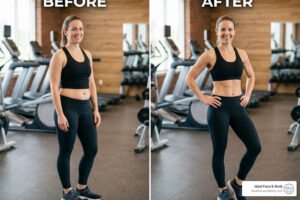
- Progress Photos: Take photos of your legs (and overall body) in the same lighting and clothing every few weeks. Visual comparisons can be incredibly motivating and often highlight changes you might not notice day-to-day.
- Clothing Fit: How your clothes feel and fit is often one of the most satisfying and accurate indicators of body composition changes. If your jeans are looser around the thighs, you’re making progress!
- Avoid Common Mistakes: Being aware of common pitfalls can help you stay on track:
- Expecting Spot Reduction: As we’ve discussed, this is a myth. Focus your energy on overall fat loss and toning.
- Crash Dieting: Severely restricting calories is unsustainable and can lead to muscle loss, nutrient deficiencies, and rebound weight gain. Aim for a moderate, consistent calorie deficit.
- Over-Exercising: Pushing yourself too hard without adequate rest can lead to burnout, injury, and even increased cortisol levels, which can hinder fat loss. Listen to your body and prioritize recovery.
- Neglecting Sleep and Stress: These lifestyle factors profoundly impact your hormones and energy levels. Undermining them will sabotage your efforts, no matter how perfect your diet and exercise are.
- Comparing Yourself to Others: Everyone’s body is different, influenced by unique genetics, hormones, and lifestyles. Focus on your own journey, celebrate your personal victories, and strive for continuous improvement rather than comparing yourself to unrealistic ideals.
Frequently Asked Questions About Leg Fat Reduction
Can I really lose leg fat in less than an hour a day?
Yes, you absolutely can make significant progress towards reducing leg fat in less than an hour a day. The key is to focus on efficient, high-impact strategies. This means incorporating high-intensity interval training (HIIT) for calorie burning and compound strength training exercises that work multiple muscle groups simultaneously. Combined with a consistent calorie-controlled diet and healthy lifestyle habits like adequate sleep and stress management, you can achieve remarkable results without needing to spend hours at the gym. Consistency and intensity are often more important than the sheer duration of your workouts.
Will lifting weights make my legs bulky?
For most women, lifting weights will not make their legs bulky. This is a common misconception often stemming from images of professional bodybuilders who train specifically for extreme muscle mass and often have different hormonal profiles. Due to naturally lower testosterone levels, women typically build lean muscle that tones and shapes the legs, making them appear firmer and leaner, rather than bulky. To further emphasize toning and endurance, we often recommend focusing on higher repetitions (12-15 reps) with moderate weight. Building muscle is crucial for boosting your metabolism and achieving a sculpted look.
What if my leg fat won’t go away despite diet and exercise?
If you’ve consistently maintained a healthy diet and exercise routine, diligently tracking your progress, but still have stubborn pockets of fat in your legs, it might be due to factors like genetics, hormones, or even conditions like lipedema. In such cases, cosmetic procedures can offer effective solutions for targeted fat removal and contouring. Options like liposuction (including our Precision Sculpt technique), thigh lifts, laser fat removal, or treatments for cellulite like QWO, can address these persistent areas. We encourage you to schedule a consultation with our experienced plastic surgeons, Dr. Sarah Yovino or Dr. Justin Yovino, at Ideal Face & Body in Beverly Hills to discuss personalized options.
Conclusion
Reducing leg fat is a journey that requires a holistic and dedicated approach, combining a consistent calorie deficit through a balanced diet, efficient exercise routines, and healthy lifestyle habits. While the myth of spot reduction has been debunked, targeted exercises can build lean muscle, contributing to a more toned and sculpted appearance. Patience, consistency, and a focus on overall well-being are your greatest allies in achieving your goals.
For those persistent areas that don’t respond to diligent lifestyle changes, advanced cosmetic procedures offer effective solutions for refining your contours. At Ideal Face & Body in Beverly Hills, our experienced plastic surgeons, Dr. Sarah Yovino and Dr. Justin Yovino, specialize in state-of-the-art treatments such as Precision Sculpt awake liposuction and thigh lifts. We are here to help you achieve your desired leg contours and feel confident in your own skin.