Buffalo Hump Liposuction Recovery: Complete 2026 Guide
What to Expect During Buffalo Hump Liposuction Recovery
Buffalo hump liposuction recovery is a journey that most patients steer successfully with the right knowledge and preparation. If you’ve just undergone this procedure or are planning to, you’re likely wondering what the healing process looks like and when you’ll see your final results.
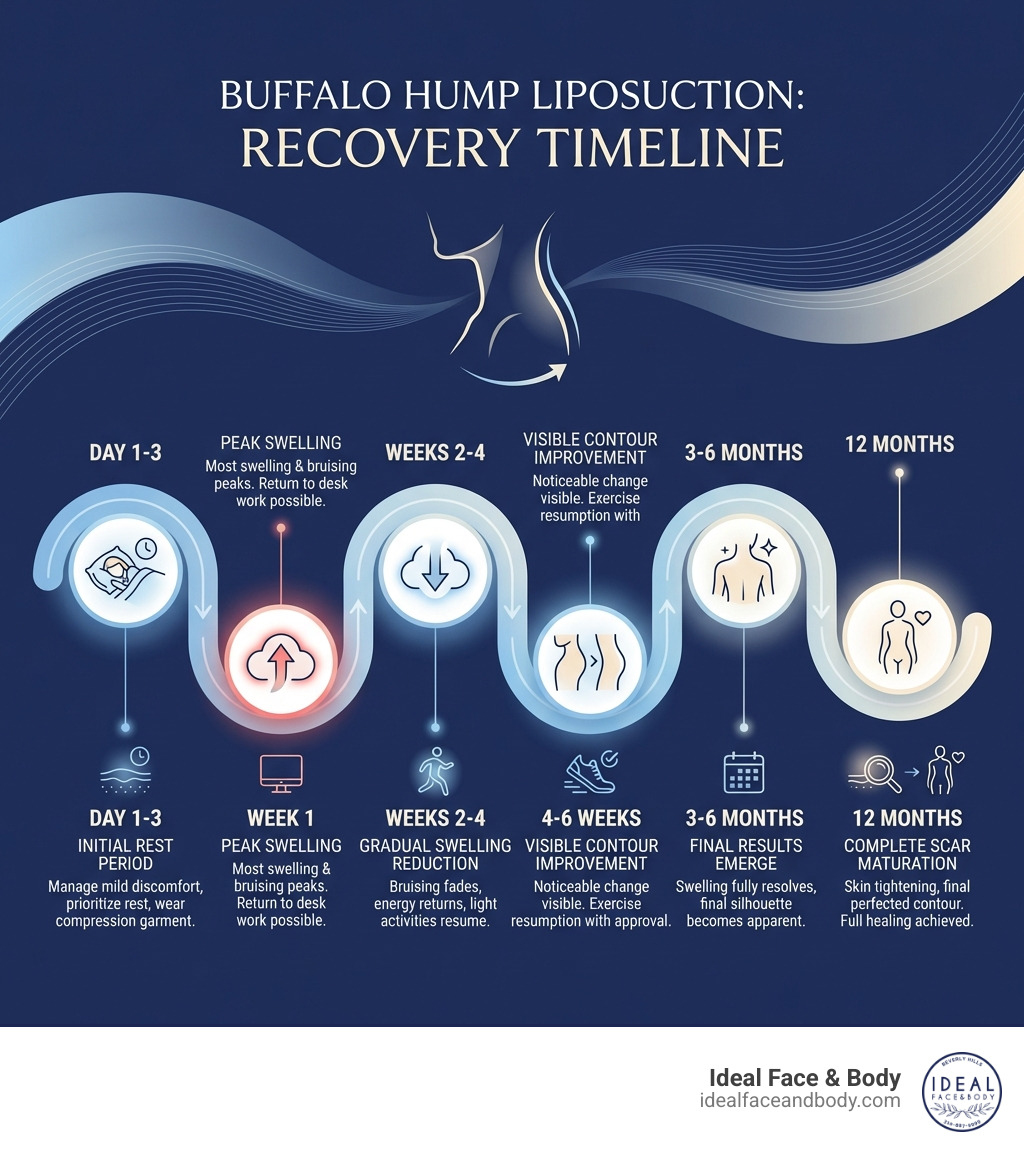
Quick Recovery Overview:
- First 2-3 Days: Rest at home, manage mild discomfort, wear compression garment
- Week 1: Most swelling and bruising peaks, return to desk work possible
- Weeks 2-4: Bruising fades, energy returns, light activities resume
- 4-6 Weeks: Noticeable contour improvement becomes visible
- 3-6 Months: Final results emerge as swelling fully resolves
- Up to 1 Year: Complete scar maturation and skin tightening
The good news? Recovery from buffalo hump liposuction is typically straightforward. Most patients return to normal activities within a week or two, though full healing takes several months. The procedure removes that stubborn fat deposit at the base of your neck—also called a dorsocervical fat pad—through small incisions and advanced liposuction techniques.
Understanding what happens during each phase of healing helps you prepare mentally and physically. You’ll experience some swelling and bruising initially, but these are temporary signs that your body is healing. The discomfort is manageable, and the change that emerges over the following weeks can be truly life-changing.
Many patients report not just physical relief but a significant boost in self-confidence. As one surgeon noted, women who previously wore their hair down to hide the hump now happily wear their hair up after the procedure.
I’m Sarah Yovino, MD, a double board-certified master injector specializing in non-surgical and minimally invasive medical aesthetics. While my expertise centers on non-surgical treatments, I work closely with our surgical team to ensure comprehensive care throughout every patient’s buffalo hump liposuction recovery journey at Ideal Face & Body in Beverly Hills. Let’s walk through exactly what you can expect during your healing process.
Buffalo hump liposuction recovery terms at a glance:
From Consultation to Contour: Understanding the Procedure
This section covers the journey from identifying the issue to being fully prepared for the procedure, setting the stage for a successful recovery.
What is a Buffalo Hump and Who is a Good Candidate?
A “buffalo hump,” also known as a dorsocervical fat pad, is an accumulation of excess fatty tissue located at the base of the back of the neck, between the shoulders. It creates a noticeable bulge that can vary in size and prominence. While not inherently dangerous, it can lead to physical discomfort, such as limited neck movement, pain, and poor posture. Beyond the physical aspects, many individuals find the appearance of a buffalo hump aesthetically displeasing, leading to self-consciousness and a negative impact on self-esteem.
What causes this stubborn fat deposit? While obesity can contribute, a buffalo hump is often not solely diet-related. Common causes include:
- Genetics: Some individuals are simply predisposed to accumulating fat in this area.
- Poor Posture: Chronic slouching can exacerbate the appearance of a buffalo hump.
- Medications: Certain medications, particularly long-term use of steroids (glucocorticoids) and some antiretroviral therapies for HIV, can cause fat redistribution leading to a buffalo hump.
- Hormonal Imbalances: Conditions like Cushing’s syndrome (excess cortisol production), Madelung’s disease, and other endocrine disorders can lead to this specific fat accumulation.
A buffalo hump is a fat pad and should not be confused with kyphosis, which is an abnormal curvature of the spine. A medical evaluation can help differentiate between these conditions and rule out any underlying health issues. The fat within a buffalo hump is often described as very fibrous and hard, making it resistant to diet and exercise alone.
So, who is an ideal candidate for buffalo hump liposuction? We look for individuals who:
- Are generally healthy with localized fat deposits that haven’t responded to diet or exercise.
- Have a stable weight and realistic expectations for the procedure. While liposuction is not a weight-loss solution, maintaining a healthy weight is crucial for long-term results. We typically recommend a body mass index (BMI) less than 30, ideally closer to 25, to minimize risks and optimize outcomes.
- Possess good skin elasticity, which allows the skin to contract smoothly over the newly contoured area.
- Are non-smokers, or willing to cease smoking for at least one month before and after the procedure, as smoking can significantly impair healing.
Choosing a board-certified plastic surgeon is paramount for ensuring safety and achieving optimal results. At Ideal Face & Body in Beverly Hills, Dr. Sarah Yovino and Dr. Justin Yovino bring their extensive expertise and commitment to patient care, ensuring you’re in skilled hands throughout your journey.
The Liposuction Procedure: How is the Hump Removed?
Once you’ve been identified as a good candidate, the next step is understanding the procedure itself. Buffalo hump liposuction is a minimally invasive surgical procedure designed to permanently remove the excess fatty tissue at the base of the neck.
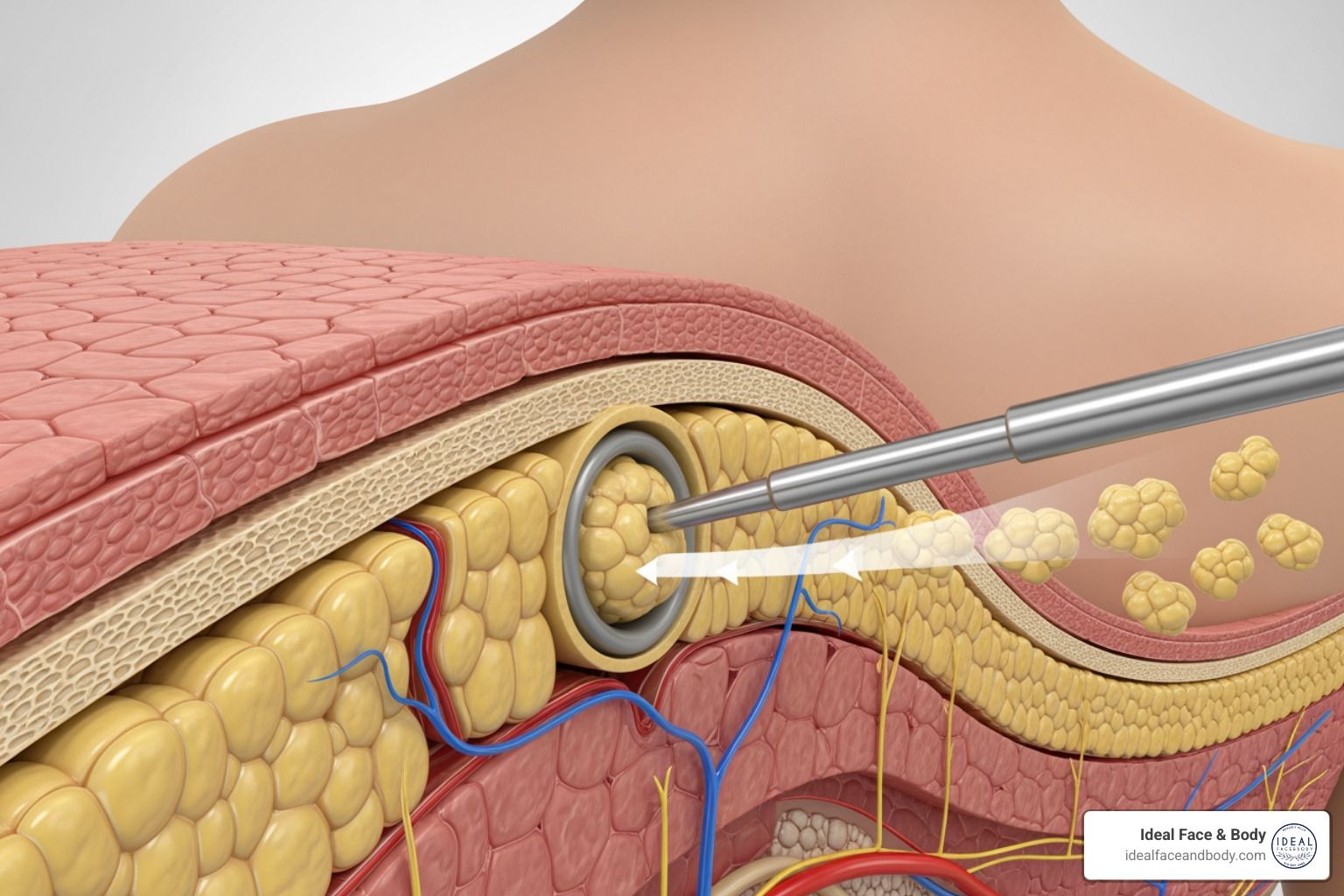
Here’s a general overview of what the procedure involves:
- Anesthesia: While some traditional liposuction procedures may use general anesthesia, at Ideal Face & Body, we often use “Awake Liposuction” with local anesthesia. This allows you to remain comfortable and conversant during the procedure, often reducing recovery time associated with general anesthesia.
- Small Incisions: Tiny incisions, typically only a few millimeters in length, are made in discreet locations around the buffalo hump area. These incisions are strategically placed to minimize visible scarring.
- Tumescent Fluid Infiltration: A specialized solution called tumescent fluid (a mixture of saline, lidocaine for numbing, and epinephrine to constrict blood vessels) is injected into the fatty tissue. This fluid helps to numb the area, reduce blood loss, and make the fat easier to remove.
- Fat Removal: A thin, hollow tube called a cannula is inserted through the incisions. Using our advanced “Precision Sculpt” technique, which often incorporates technologies like laser or power-assisted liposuction, Dr. Sarah Yovino or Dr. Justin Yovino carefully break up and suction out the localized fatty deposits. This precise approach allows for targeted fat removal and sculpting, ensuring a smooth and harmonious contour. The spinal cord is located deep to the fat that is removed and is protected by the bony spine, so it is not at risk of injury during the procedure.
- Contour Confirmation: Throughout the procedure, the surgeons continually assess the contour by direct examination and palpation to ensure uniform reduction and the desired aesthetic outcome.
- Closure: Once the desired amount of fat has been removed, the small incisions are closed, often with fine stitches that generally heal with minimal scarring. A compressive dressing is then applied to the treated area.
This specialized approach, combined with the expertise of Dr. Sarah Yovino and Dr. Justin Yovino, allows for effective fat elimination and body sculpting, leading to improved posture, improved self-confidence, and lasting results.
Preparing for Your Procedure
Preparation is key to a smooth buffalo hump liposuction recovery. Our team at Ideal Face & Body will guide you through every step, but here are some general considerations:
- Consultation Importance: Your initial consultation is vital. This is where we discuss your aesthetic concerns, medical history, and expectations. It’s an opportunity to ask all your questions and ensure you feel completely comfortable with the plan.
- Medical History Review: We’ll thoroughly review your medical history, including any existing conditions, allergies, and medications you’re currently taking. This helps us identify any potential risks and tailor the procedure to your needs.
- Setting Realistic Expectations: We believe in honest communication. While the results can be transformative, it’s important to understand what liposuction can and cannot achieve. We aim for significant improvement and a more balanced silhouette.
- Stopping Certain Medications: You may be advised to stop taking certain medications, such as blood thinners (e.g., aspirin, ibuprofen), a week or two before surgery to minimize the risk of bleeding.
- Smoking Cessation: If you smoke, we will strongly recommend cessation for at least one month pre- and post-operatively. Smoking significantly impacts your body’s ability to heal and increases the risk of complications.
- Arranging for Post-Op Assistance: While buffalo hump liposuction recovery is relatively quick, you’ll need someone to drive you home after the procedure and ideally assist you for the first 24-48 hours. Plan for this support in advance.
By adhering to these preparatory steps, you’re not just getting ready for surgery; you’re actively contributing to a successful outcome and a more comfortable recovery.
The Complete Buffalo Hump Liposuction Recovery Timeline
Navigating the healing process is much easier when you know what to expect. Here’s a detailed guide to your buffalo hump liposuction recovery timeline.
The First 48 Hours: Rest and Initial Care
The immediate period following your procedure is crucial for setting the stage for a smooth recovery.
- Discharge Home: Since we often perform Awake Liposuction, you’ll typically be discharged home a few hours after your procedure, once you’re feeling well and pain is controlled.
- Anesthesia Effects: While local anesthesia minimizes grogginess, you might still feel a bit tired. The area will be numb, but this will gradually wear off.
- Pain Management: We will prescribe pain medication to manage any discomfort. It’s important to take these as directed. Many patients describe the post-operative sensation as more of a soreness or tenderness rather than intense pain.
- Compression Garment: A compression garment will be applied immediately after surgery. This is essential for minimizing swelling, helping your skin adapt to its new contour, and supporting the healing tissues.
- Limited Mobility: We recommend prioritizing rest during these first couple of days. While light movement is good for circulation, avoid any strenuous activities. Recovery time is generally very short, from 2 to 3 days, depending on the amount of fat removed.
Week 1: Managing Discomfort and Swelling
As the initial numbness wears off, you’ll become more aware of the healing process.

- Peak Swelling, Bruising, and Soreness: This is typically when swelling and bruising will be most noticeable. Don’t be alarmed; these are normal reactions and signs that your body is healing. Soreness can be managed with prescribed pain medication, transitioning to over-the-counter options like Tylenol as discomfort subsides.
- Continue Compression: It’s critical to continue wearing your compression garment continuously during this phase, as instructed by Dr. Yovino. It significantly aids in reducing swelling and promoting skin retraction.
- Short Walks Encouraged: Gentle walking around your home is beneficial. It helps prevent blood clots and promotes circulation, which is vital for healing. Just remember to keep it light.
- Return to Desk Work: Most of our patients find they can return to office-based work within a week of surgery. Some even feel ready within a day or two, depending on their individual healing rate and the nature of their job. However, avoid any tasks that require heavy lifting or strenuous physical activity.
Weeks 2-4: Returning to Normalcy
You’ll start to feel significantly better during this period, with noticeable improvements in discomfort and appearance.
- Swelling Subsides, Bruising Fades: The majority of the initial swelling will begin to resolve within these weeks, and bruising should start to fade considerably, if not disappear entirely.
- Increased Energy: Your energy levels will return, and you’ll likely feel more like yourself.
- Resuming Light Activities: You can gradually increase your activity level, but it’s still important to be mindful. Light household chores and longer walks are generally fine.
- Avoid Strenuous Exercise: We advise refraining from exercise, strenuous activity, and heavy lifting for at least one month following surgery. This lowers the risk of complications such as bleeding, increased swelling, and fluid collections.
- Incision Care: The small incisions typically heal very well with minimal scarring. Continue to follow any specific incision care instructions provided by our team. The initial recovery period typically lasts about 1 to 2 weeks, with full recovery taking up to 6 weeks depending on individual healing rates and adherence to post-op care.
Month 1 to 6: Seeing Your New Contour Emerge
Patience is a virtue, especially during this phase, as your body continues its transformative process.
- Significant Swelling Reduction: While major swelling subsides earlier, residual swelling can persist for several weeks to months. It often takes several weeks to months for swelling to resolve following buffalo hump liposuction, with final contour improvement potentially taking up to 6-12 months to become apparent.
- Gradual Contour Improvement: You’ll start to see the true shape of your new contour emerge as the swelling diminishes. Most patients start seeing noticeable results within 4 to 6 weeks. Final results can take up to 3 months as swelling fully subsides.
- Resuming Exercise (with Approval): After the initial one-month restriction, you can gradually reintroduce more strenuous exercises, but always with the approval of Dr. Yovino. Listen to your body and don’t push too hard too soon.
- Scar Maturation Begins: Scars will begin to mature, becoming flatter and less noticeable. This process can take up to a year, with initial redness fading over time.
- Patience is Key: It’s crucial to remember that final results may not be fully visible for up to a year post-surgery. The body needs time to heal internally, for the skin to contract, and for any remaining swelling to completely resolve.
Navigating Your Recovery: Essential Tips and Side Effect Management
Actionable advice to ensure your healing is as smooth and speedy as possible.
Mastering Your Post-Op Care for Buffalo Hump Liposuction Recovery
Effective post-operative care is paramount for achieving the best possible results and minimizing complications during your buffalo hump liposuction recovery.
- Compression Garment Instructions: Your compression garment is your best friend during recovery. Wear it continuously for the first two weeks, as instructed by Dr. Yovino. It helps reduce swelling, promotes skin retraction, and provides comfort. Only remove it for showering.
- Pain Medication Schedule: Follow your prescribed pain medication schedule diligently, even if you feel okay. Staying ahead of the pain makes it much easier to manage. As discomfort lessens, you can transition to over-the-counter pain relievers like acetaminophen (Tylenol).
- Hydration is Crucial: Drink plenty of water throughout your recovery. Staying well-hydrated aids in flushing out toxins, reducing swelling, and supporting your body’s healing processes.
- Sleeping Position: Elevating your head and upper body with pillows while sleeping can help reduce swelling in the treated area. Aim for a comfortable position that avoids direct pressure on your neck and upper back.
- Showering and Hygiene: You’ll receive specific instructions on when and how to shower. Generally, you can shower after 24-48 hours, keeping the incisions clean and dry. Avoid prolonged soaking in baths or hot tubs until cleared by our team.
Diet, Activity, and Lifestyle for a Smooth Buffalo Hump Liposuction Recovery
Beyond direct wound care, your overall lifestyle plays a significant role in your buffalo hump liposuction recovery.
- Nutrient-Rich Diet: Focus on a balanced diet rich in vitamins, minerals, and lean protein to support healing and reduce inflammation. Think fresh fruits, vegetables, whole grains, and lean meats. Avoiding highly processed foods, excessive sugar, and sodium can also help minimize swelling.
- Benefits of Light Walking: As mentioned, light walking is encouraged from day one. It boosts circulation, which helps reduce swelling and promotes faster healing. Just don’t overdo it!
- Avoiding Heavy Lifting: This is a non-negotiable for at least one month post-surgery. Straining can increase pressure in the treated area, leading to complications like bleeding or increased swelling.
- Stress Management: Recovery can sometimes be emotionally taxing. Practicing mindfulness, light meditation, or simply engaging in relaxing activities can help manage stress and anxiety, contributing to a more positive healing experience.
- Follow-Up Appointments: Attend all your scheduled follow-up appointments with Dr. Yovino. These visits are essential for monitoring your healing progress, addressing any concerns, and ensuring you’re on track for optimal results.
Your Results: What to Expect and How to Maintain Them
Understanding the final outcome and how to ensure your new, improved contour lasts a lifetime.
When Will I See the Final Results?
The journey to your final results is a gradual one, and patience is key.
- Initial Changes vs. Final Results: You’ll likely notice an immediate difference in the contour of your upper back right after the procedure. However, this initial view will be masked by swelling and the compression garment.
- Swelling Masks Contour: Swelling is the primary factor that obscures your true results. As we’ve discussed, the majority of swelling resolves within a few weeks, but residual swelling can linger for several months.
- Noticeable Improvement (4-6 weeks): Most patients start seeing noticeable and exciting improvements in their silhouette within 4 to 6 weeks as the initial swelling subsides.
- Final Results Timeline (3-12 months): The full, refined contour of your upper back may take anywhere from 3 to 12 months to fully emerge. This extended timeline allows for all residual swelling to resolve and for your skin to completely contract and adapt to its new shape.
- Skin Tightening Process: Our “Precision Sculpt” technique, which often involves technologies that promote skin tightening, helps the skin conform smoothly over the treated area.
- Scar Maturation (1 year): While the incisions are small and discreet, scar maturation is a process that can take up to a year. Over time, scars will typically soften, flatten, and fade, becoming less noticeable.
Long-Term Maintenance for a Lasting Outcome
The great news about buffalo hump liposuction is that the results can be permanent, provided you commit to a healthy lifestyle.
- Permanence of Fat Cell Removal: The fat cells removed during liposuction are permanently gone and will not regenerate. This means that, unlike other cells in your body, these specific fat cells will never come back.
- Importance of a Stable Weight: While removed fat cells won’t return, remaining fat cells in other areas of your body can still enlarge if you gain a significant amount of weight. A gain of even 10% of body weight after surgery can change outcomes. Maintaining a stable weight is the most crucial factor in preserving your results.
- Healthy Diet: Continuing a nutrient-rich diet, as discussed in the recovery phase, will support your overall health and help prevent new fat accumulation.
- Regular Exercise: Incorporating regular physical activity into your routine is vital. This not only helps with weight management but also promotes good posture and muscle tone in your back and neck, further enhancing your new contour.
- Posture Improvement: With the removal of the buffalo hump, many patients find it easier to maintain better posture, which can alleviate discomfort and contribute to a more neat silhouette.
By embracing these long-term lifestyle habits, you can enjoy the benefits of your buffalo hump liposuction for years to come.
Frequently Asked Questions
We understand you likely have more questions, and we’re here to answer them.
Is buffalo hump liposuction painful?
The procedure itself is not painful. We perform buffalo hump liposuction using Awake Liposuction with local anesthesia, meaning the treated area is completely numb during the process. You might feel some pressure or movement, but no sharp pain.
After the anesthesia wears off, you will experience some discomfort, soreness, and tenderness. Most patients describe this as a sensation similar to an intense workout or a bruise, rather than severe pain. We will prescribe appropriate pain medication to manage this discomfort effectively, typically for the first few days. As your recovery progresses, over-the-counter pain relievers like Tylenol are usually sufficient.
How much time do I need off work?
The amount of time you need off work depends largely on the nature of your job and your individual healing rate.
- Desk Job: If your work is primarily sedentary, most people can return to office-based work within a week of surgery. Some even feel ready to go back within a day or two.
- Physically Demanding Job: If your job involves heavy lifting, strenuous activity, or a lot of physical exertion, you will need a longer period of downtime. We typically recommend avoiding such activities for at least one month.
It’s always best to discuss your specific job requirements with Dr. Yovino during your consultation. We can provide personalized guidance based on your procedure and expected recovery.
Will the buffalo hump come back?
This is a common and excellent question! The fat cells that are removed during buffalo hump liposuction are permanently gone and will never regenerate. This means the specific fat cells that formed your buffalo hump are gone for good.
However, it’s crucial to understand that liposuction is not a shield against future weight gain. If you experience significant weight gain after your procedure, the remaining fat cells in other areas of your body can still enlarge, potentially altering your body contour. While the hump itself won’t “come back” in the same way, new fat can accumulate. This is why we emphasize the importance of maintaining a stable weight and a healthy lifestyle through diet and exercise to preserve your beautiful, long-lasting results.
Begin Your Journey to a Smoother Silhouette in Beverly Hills
A buffalo hump can be a source of both physical and emotional discomfort, but it doesn’t have to be a permanent part of your life. With advanced liposuction techniques from Dr. Sarah Yovino and Dr. Justin Yovino at Ideal Face & Body, you can achieve a smoother, more confident profile. A successful outcome is a partnership between a skilled surgeon and a well-informed patient who is committed to the recovery process. By following these guidelines, you are setting yourself up for a beautiful, lasting result.
Ready to take the next step? View our before-and-after gallery to see the possibilities.