Stem Cell Therapy Cost: 3 Essential Factors Revealed
Understanding What You’ll Actually Pay
Stem cell therapy cost varies widely, and you deserve straightforward answers before making this investment in your health. What was once reserved for elite athletes is now a mainstream option for individuals seeking regenerative solutions for everything from joint pain to aesthetic rejuvenation. The promise is compelling: using your body’s own healing mechanisms to repair damaged tissue and reduce inflammation.
However, navigating the financial landscape can feel overwhelming. Prices differ significantly from clinic to clinic, and insurance typically won’t help. Unlike traditional procedures with set price points, regenerative medicine exists in a less regulated space where costs can seem arbitrary. The reality is that stem cell therapy represents a significant financial investment, with costs ranging from more accessible localized applications to comprehensive regenerative protocols. Understanding what drives these costs is essential.
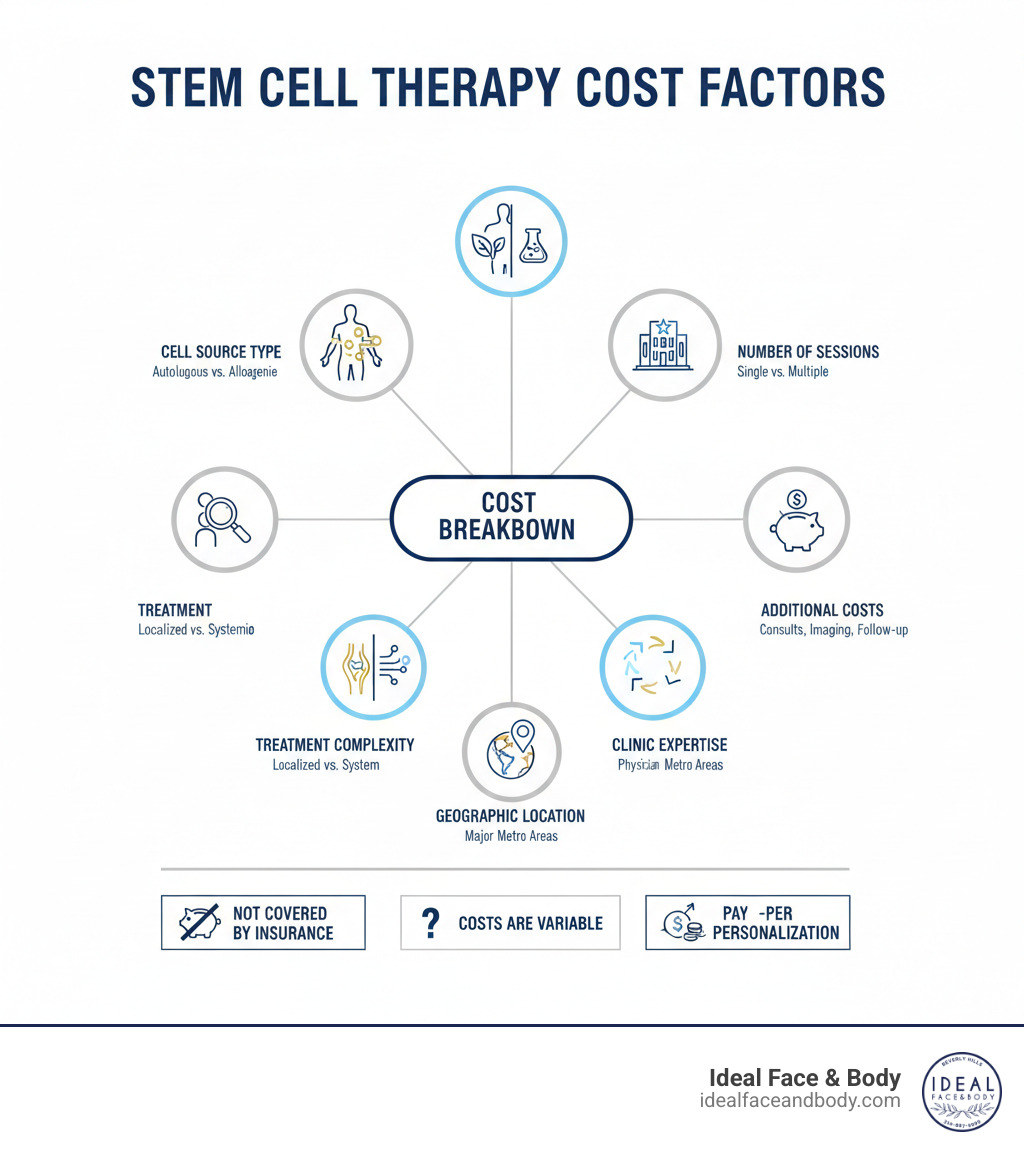
Several key factors influence the final price:
- Treatment Type & Complexity: Localized injections for aesthetic purposes cost less than systemic IV treatments for whole-body wellness.
- Cell Source: The cost differs between using autologous cells (from your own body) and allogeneic cells (from a screened donor).
- Clinic Expertise & Location: A physician’s experience, facility standards, and geographic location, such as Beverly Hills, all play a role.
- Number of Sessions: Your plan may involve a single treatment or multiple sessions over time.
It’s also important to know that most stem cell therapies are considered experimental and are not covered by insurance. This means you’ll likely be paying out of pocket. Hidden costs for consultations, imaging, and follow-up care can also arise, so it’s crucial to ask for a detailed breakdown upfront. Financing options like Health Savings Accounts (HSAs), Flexible Spending Accounts (FSAs), and third-party medical financing can make treatments more accessible by spreading payments over time.
As Dr. Sarah Yovino, MD, I’ve spent years helping patients steer both the medical and financial aspects of regenerative treatments. I understand that stem cell therapy cost concerns are often as significant as questions about efficacy and safety, and I believe in providing clear guidance to help patients make confident, informed decisions.
What is Stem Cell Therapy and How Does It Work?
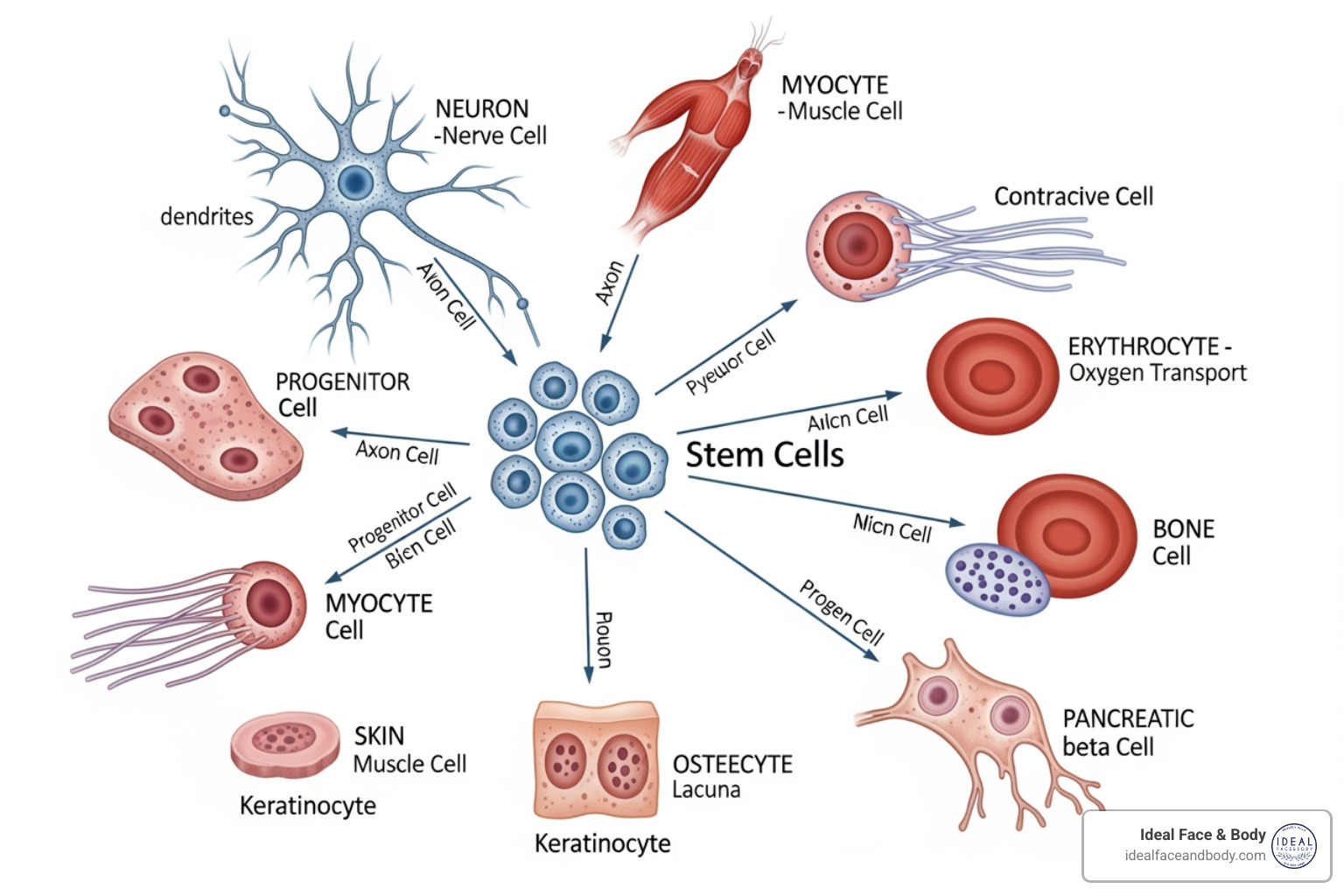
Before diving into the stem cell therapy cost, it helps to understand what you’re investing in. Stem cell therapy represents a fundamental shift in how we approach healing and rejuvenation.
Think of stem cells as your body’s master cells, capable of changing into whatever specialized cells your body needs—a process called differentiation. This remarkable ability is what makes regenerative medicine possible.
We can use autologous cells, which come from your own body (typically fat tissue or bone marrow), eliminating rejection risks. Alternatively, allogeneic cells from carefully screened donors, often from umbilical cord tissue, offer another powerful option.
Mesenchymal stem cells (MSCs) are the workhorses of regenerative medicine. We can harvest adipose-derived stem cells through a minimally invasive procedure similar to liposuction. Bone marrow concentrate is another trusted source. Once obtained, the cells undergo high-quality laboratory processing to ensure their viability and potency, a critical step that influences both effectiveness and cost.
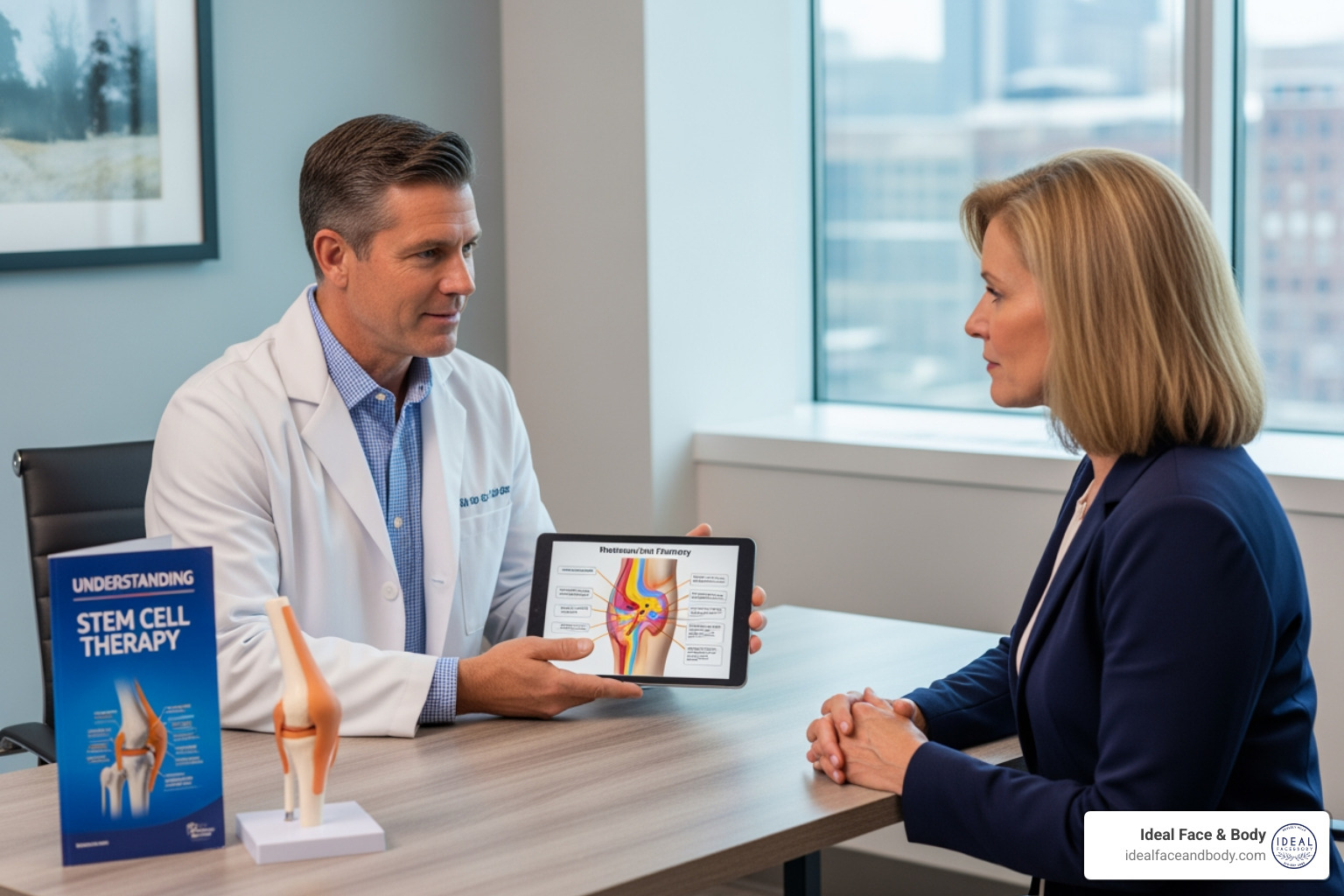
Treatment administration is custom to your needs. For joint pain, we inject cells directly into the affected area. For aesthetic goals, we use targeted injections. For systemic concerns, intravenous (IV) therapy delivers cells throughout the body. At Ideal Face & Body, our expertise in awake liposuction allows us to efficiently harvest high-quality adipose-derived stem cells for your treatments. You can find more info about how to rejuvenate stem cells on our site.
The Goal of Regenerative Medicine
Instead of just managing symptoms, regenerative medicine aims to address the underlying problem by jumpstarting your body’s natural healing abilities. The goals are to:
- Repair Tissue: Stem cells can differentiate into cells needed to rebuild damaged tissue, like cartilage in a knee or collagen in the skin.
- Promote Healing: They release growth factors that act like construction managers, coordinating your body’s repair crews.
- Reduce Inflammation: MSCs are excellent at calming chronic inflammation, which drives many age-related conditions and persistent pain.
- Improve Function: The ultimate goal is to restore what’s been lost, whether that means walking without pain or simply feeling more vibrant.
Common Applications
The versatility of stem cell therapy allows it to address a wide range of concerns:
- Orthopedic Conditions: For issues like osteoarthritis, chronic back pain, and knee or hip problems, stem cells offer a potential alternative to surgery by targeting damaged cartilage and tissue.
- Anti-Aging Treatments: Systemic treatments can leverage stem cells’ regenerative properties for whole-body rejuvenation and improved vitality.
- Hair Restoration: Stem cells can awaken dormant follicles and stimulate new growth, improving hair density and quality.
- Skin Rejuvenation: A core part of our aesthetic practice, stem cells can stimulate collagen, improve elasticity, and reduce wrinkles for a more youthful glow.
Key Factors That Influence the Stem Cell Therapy Cost

When considering stem cell therapy, it’s natural to ask about the price. The truth is, there’s no single answer because stem cell therapy cost reflects the highly personalized nature of the treatment. Your investment is based on your unique needs, the quality of care, the medical expertise of your physician, and even the clinic’s geographic location.
Understanding what drives these costs helps you make an informed decision and ensures you’re investing in quality care, not just chasing the lowest price.
The Type and Source of Stem Cells
The most significant factor influencing cost is where the stem cells come from and how they are processed.
- Autologous vs. Allogeneic: Autologous cells come from your own body (fat tissue or bone marrow), which requires a harvesting procedure but eliminates any risk of rejection. Allogeneic cells come from carefully screened donors (often umbilical cord tissue), which involves extensive testing and processing but avoids a harvesting procedure for the patient.
- Harvesting Method: Our expertise in Precision Sculpt awake liposuction at Ideal Face & Body in Beverly Hills makes adipose tissue harvesting efficient and minimally invasive. Bone marrow aspiration is another autologous option requiring specific medical skill.
- Cell Processing and Preparation: After collection, cells undergo sophisticated laboratory procedures to be concentrated and purified. This requires advanced equipment and adherence to strict laboratory standards to ensure the cells you receive are safe, viable, and potent. These quality control measures are a critical part of the overall cost.
The Complexity of the Condition and Treatment Protocol
Your specific health situation dictates the treatment plan and, therefore, the investment. A straightforward aesthetic application is very different from addressing a complex chronic condition.
- Severity and Number of Treatments: Early-stage issues might require a single treatment, while more advanced conditions may need a series of sessions or higher cell concentrations.
- Localized vs. Systemic Treatment: Direct injections into a specific area like a knee joint or the scalp are considered localized treatments. Intravenous (IV) therapy, in contrast, delivers cells systemically throughout the body to address more comprehensive health goals. The scope of the treatment naturally affects the cost.
- Combination Therapies: Sometimes, pairing stem cell therapy with complementary treatments like Platelet-Rich Plasma (PRP) can improve results, which would be reflected in the comprehensive plan.
Clinic Expertise and its Influence on Stem Cell Therapy Cost
When you invest in stem cell therapy, you’re not just paying for cells; you’re investing in the knowledge and skill of the medical team. This expertise is arguably the most valuable component.
- Physician Experience: The experience of physicians like Dr. Sarah Yovino and Dr. Justin Yovino is paramount. Their specialized knowledge in diagnosis, cell harvesting, processing, and precise administration comes from years of focused practice. This skill is what transforms potential into results.
- Advanced Equipment and Compliance: A reputable clinic invests heavily in state-of-the-art technology, sterile lab environments, and advanced imaging for guided injections. Furthermore, adhering to strict regulatory compliance and safety protocols requires significant resources. These investments in quality and safety are factored into the stem cell therapy cost and provide peace of mind that you are receiving responsible, ethical care.
Navigating Insurance and Hidden Expenses

Understanding the true financial picture of stem cell therapy requires looking beyond the initial quote. Many patients at our Beverly Hills clinic hope for insurance coverage, but the reality is more complicated. Let’s discuss financial planning and managing your out-of-pocket expenses honestly.
Does Insurance Cover the Stem Cell Therapy Cost?
Here’s the straightforward answer: insurance typically does not cover stem cell therapy cost for regenerative or aesthetic applications. The primary reason is that insurance companies classify most of these therapies as investigational or experimental. While clinical trials are extensive and real-world results are remarkable, most orthopedic, anti-aging, and aesthetic uses have not yet received full FDA approval. Without that stamp of approval, insurers will not authorize coverage.
The vast majority of insurance providers offer no coverage for these treatments, meaning you should plan for the stem cell therapy cost to be an out-of-pocket expense.
Medicare follows similar policies. While it covers certain FDA-approved cellular and gene therapy products for specific cancers and immune disorders, it does not extend coverage to the regenerative and aesthetic applications we specialize in at Ideal Face & Body.
Understanding Potential Hidden Costs
Beyond the quoted price, several additional expenses can arise. At our Beverly Hills clinic, we believe in complete transparency. Potential additional costs may include:
- Initial Consultation Fees: This valuable appointment with Dr. Sarah Yovino or Dr. Justin Yovino to assess your candidacy and create a plan is typically a separate upfront cost.
- Diagnostic Imaging: MRIs or X-rays may be needed to evaluate your condition. Your health insurance might cover some of these, but it’s best to check first.
- Follow-Up Appointments: Post-treatment monitoring is essential for tracking progress and ensuring optimal results.
- Facility or Anesthesia Fees: Some procedures may require specialized equipment or facility use that carries separate charges.
At Ideal Face & Body, we provide a detailed breakdown of all costs before you commit. No surprises, just honest information to help you make an informed decision.
Exploring Financing and Payment Options
Since insurance rarely helps with stem cell therapy cost, we work to make these treatments more accessible. You have several options to explore:
- HSA/FSA: Your Health Savings Account (HSA) or Flexible Spending Account (FSA) may allow you to use pre-tax dollars for treatment. Check with your plan administrator to confirm eligibility.
- Third-Party Medical Financing: Companies like CareCredit offer loans or credit lines specifically for medical treatments, allowing you to break the cost into manageable monthly payments.
- In-House Payment Plans: Some clinics, including ours, may offer payment plans or help you steer financing solutions. Our patient coordinators are happy to discuss your financial considerations during your consultation.
These options don’t reduce the total cost, but they can make a life-changing treatment financially feasible.
Frequently Asked Questions about Stem Cell Therapy
As experts in regenerative medicine in Beverly Hills, we hear many of the same thoughtful questions from patients. Here are honest answers to the concerns that matter most.
Is stem cell therapy safe?
Safety is our top priority. The straightforward answer is that stem cell therapy is considered safe when performed by qualified providers in regulated settings. The safety of your treatment depends heavily on who is performing it and the standards they follow.
Like any medical procedure, there are potential risks, but for most minimally invasive applications, they are minor. The most common side effects are temporary injection site reactions like soreness, mild swelling, or bruising, which typically resolve within a few days. There is a small infection risk with any injection, which reputable clinics minimize through strict sterile protocols.
What truly matters is the importance of qualified providers. The expertise of physicians like Dr. Sarah Yovino and Dr. Justin Yovino is paramount. They understand the nuances of proper cell harvesting, processing, and administration to minimize complications. It is crucial to choose a clinic that adheres to the highest safety protocols and ethical standards.
How long does it take to see results from stem cell therapy?
Stem cell therapy works with your body’s natural healing processes, which take time. It is not an overnight fix.
- Initial Phase (Weeks): Many patients first notice inflammation reduction. Pain levels may decrease as the stem cells begin to modulate the immune response.
- Regenerative Phase (Months): More substantial changes involving actual tissue repair typically become noticeable over several months as cells signal, differentiate, and promote genuine healing.
Timelines vary by patient based on their condition, age, and overall health. For many conditions, peak effectiveness is often observed between three to six months post-treatment, with patients reporting significant improvements in function and mobility. The goal is long-term outcomes, and the effects can potentially last for years.
What is the success rate of stem cell therapy?
This is a common question, but “success rate” is complex in regenerative medicine because it depends on many factors.
First, outcomes are variable. Some patients experience dramatic improvement, while others have more modest results. Success is highly condition-dependent; results for joint repair will differ from those for skin rejuvenation. A patient’s overall health, lifestyle, and adherence to post-treatment care also significantly influence outcomes.
This is why we emphasize the importance of realistic expectations. During your consultation at our Beverly Hills clinic, Dr. Sarah Yovino and Dr. Justin Yovino will provide an honest assessment of what you can expect. While not a guaranteed cure, reported patient satisfaction is often quite high. Many patients note improved quality of life, reduced pain, and better mobility—the ability to return to activities they love. For many, that is the true definition of success.
The stem cell therapy cost is an investment in your potential for improvement. While we can’t guarantee specific outcomes, we can promise expert care and honest guidance throughout your journey.
Conclusion: Making an Informed Decision

Navigating the complexities of stem cell therapy cost is a crucial step. You now understand that the price reflects the personalized nature of your treatment—from the cell source and protocol complexity to the expertise of your medical team. You also know that insurance rarely covers these costs, making transparent financial planning essential.
The real question isn’t just “What does this cost?” but rather, “Is this investment worth it for my quality of life?” For many of our patients in Beverly Hills, the answer becomes clear when they weigh the potential for lasting improvement against the financial commitment. You’re not just paying for a procedure; you’re investing in your future self—one with less pain, better mobility, or renewed confidence.
Making an informed decision begins with an honest, professional consultation. When you sit down with Dr. Sarah Yovino or Dr. Justin Yovino at Ideal Face & Body, you receive a realistic assessment of what stem cell therapy can do for you. We provide a transparent breakdown of costs and help you explore financing options, ensuring you feel confident and comfortable with every aspect of your decision.
Our expertise in procedures like Precision Sculpt awake liposuction gives us unique capabilities in harvesting high-quality stem cells, and our commitment to the highest safety standards ensures you receive care you can trust.
If you’re curious about how stem cell therapy might fit into your wellness or aesthetic journey, we invite you to take the first step. Learn more about stem cell rejuvenation options and find what’s possible when you combine cutting-edge science with personalized, compassionate care.