The Ultimate Guide to Advanced Scar Therapy and Effective Removal
What is Advanced Scar Therapy and How Does It Work?
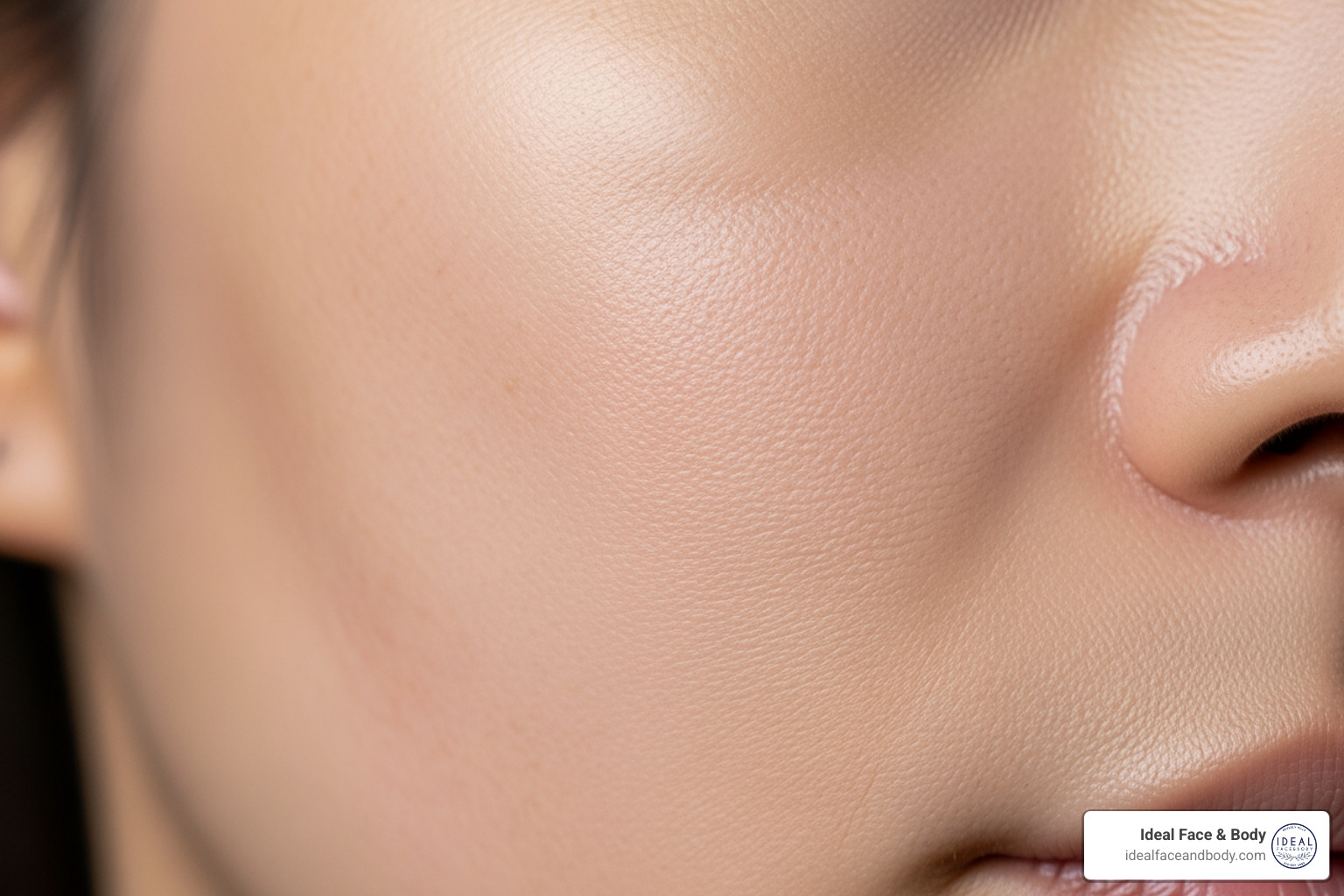
Advanced scar therapy is a broad term for treatments that reduce, fade, or prevent the formation of visible scars — whether from surgery, acne, burns, or other skin injuries.
Here’s a quick overview of what it involves:
| What It Is | What It Does | Who It’s For |
|---|---|---|
| Topical silicone gels | Creates an occlusive barrier to hydrate and protect healing skin | Post-surgery, burns, acne scars |
| Tension-offloading devices | Relieves mechanical stress on healing incisions to prevent scar tissue | Post-surgical patients |
| Laser treatments | Resurfaces skin and reduces redness, texture, and discoloration | Various scar types |
| Combination therapies | Uses multiple approaches for best results | Moderate to severe scarring |
The core goal is the same across all methods: minimize the appearance of scars and support the skin’s natural healing process.
Scars form when the skin repairs itself after injury. How visible that scar becomes depends on many factors — wound depth, location, skin type, and how well the healing environment is managed. The good news? Modern advanced scar therapies can make a meaningful difference, with clinical studies showing up to 89% reduction in redness and 39% improvement in overall scar appearance.
I’m Dr. Sarah Yovino, a double board-certified physician specializing in non-surgical medical aesthetics, including laser treatments, microneedling, and skin rejuvenation procedures that address advanced scar therapy at Ideal Face & Body in Beverly Hills. In this guide, I’ll walk you through everything you need to know — from how these therapies work to which one may be right for your skin.
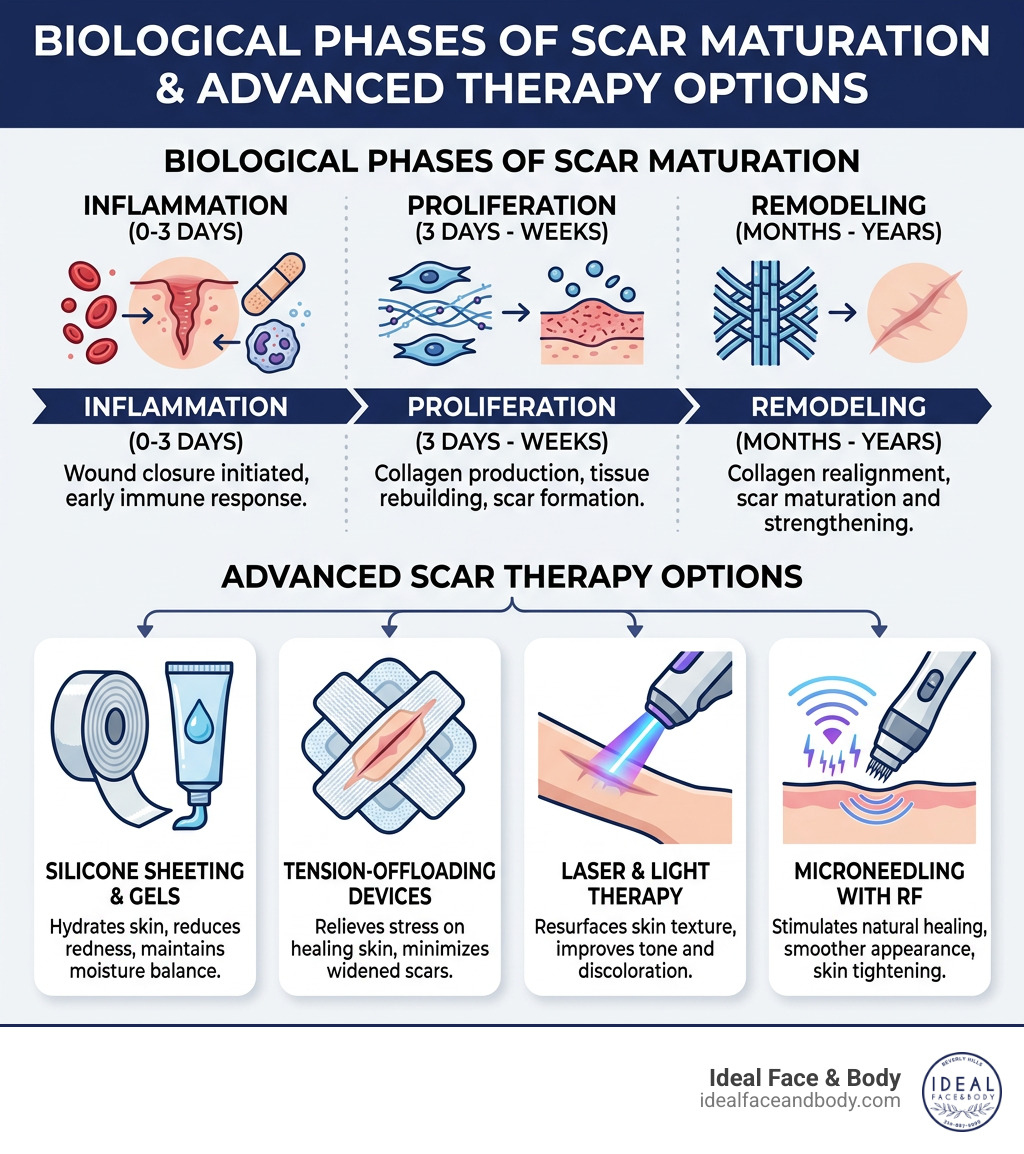
Explore more about Advanced scar therapy:
At its core, Advanced scar therapy is about managing the skin’s environment to ensure that the healing process results in the most aesthetic outcome possible. When the skin is injured, it enters a high-stakes race to close the wound. Often, the body prioritizes speed over beauty, leading to the disorganized collagen structures we recognize as scars.
One of the most significant breakthroughs in this field is the concept of mechanomodulation. Scientific research has shown that mechanical force—specifically tension pulling at the edges of a healing wound—is a primary driver of scar tissue formation. When a wound is under tension, the body sends signals to produce more collagen, often resulting in thick, raised, or wide scars.
By using tension-offloading devices, we can physically shield the incision from these forces. This “quiet” environment allows the skin to knit back together without the inflammatory triggers that cause excessive scarring. You can learn more about how we apply these principles in our scar revision services.
Beyond tension relief, Advanced scar therapy utilizes occlusive barriers. These are typically high-concentration silicone gels or sheets that sit on top of the skin. They don’t just “protect” the area; they create a micro-environment that traps moisture (hydration) and helps regulate collagen production. This prevents the scar from becoming dehydrated, which is another common trigger for the body to overproduce scar tissue. For a deeper dive into the science, you can review this research on mechanomodulation and scar reduction.
Innovative Mechanisms in Advanced Scar Therapy
Modern science has moved beyond simple petroleum jelly. Today’s most effective treatments often feature a triple action formula designed to seal in moisture, renew cells, and aid in the healthy formation of collagen.
One exciting innovation we keep an eye on involves Marine Growth Factors and c-PDRN (a patented DNA fragment derived from marine sources). These ingredients support the skin’s natural renewal process without the irritation often associated with harsher chemicals. By supporting healthy cell function during the critical weeks of healing, these ingredients help “rewrite” the skin’s story. If you’re struggling with marks that have been around for a while, you may want to learn more about fading old and new marks through targeted topical support.
Clinical Efficacy of Advanced Scar Therapy
We don’t just rely on “hope” when it comes to fading marks; we rely on data. Clinical studies have provided robust evidence for the effectiveness of these advanced protocols. For instance:
- 92% of doctors and patients prefer active tension-relief therapy over leading competitors like standard silicone sheets or creams.
- In a 12-week clinical study, users of high-silicone occlusive gels saw a 39% improvement in scar appearance, an 89% reduction in redness, and a 33% reduction in discoloration.
- For those dealing with the aftermath of breakouts, some advanced gels have shown a 97% success rate in improving acne scar appearance after just four weeks of use.
These statistics are backed by validated measuring tools like the Patient and Observer Scar Assessment Scale (POSAS), which researchers use to track improvements in pliability, thickness, and relief. For those interested in the technical side of how we measure success, check out this research on scar scales and measurement. Understanding these metrics helps us tailor atrophic acne scar treatments to each patient’s unique skin texture.
Key Ingredients and Technologies in Scar Management
When you look at the back of a professional-grade scar product, you’ll see ingredients chosen for their specific biological impact. Advanced scar therapy relies heavily on medical-grade silicone, specifically Dimethicone. This is considered the “gold standard” because it creates a breathable, protective shield that mimics the skin’s natural barrier function.
Other heavy hitters in the ingredient list include:
- Allantoin: A soothing agent that helps soften the skin and promotes cell proliferation.
- Fatty Acids: These are essential for maintaining the skin’s lipid barrier, keeping the area hydrated and supple.
- Bromelain and Papain: These are enzymes (often derived from pineapple and papaya) that help gently remove dead skin cells, smoothing the texture of the scar.
- Onion Bulb Extract (Allium Cepa): Used for its antioxidant and anti-inflammatory properties to help prevent the overgrowth of scar tissue.
- Vitamin E (Tocopherol): A classic antioxidant that protects healing skin from free radical damage.
- Green Tea Polyphenols and Ferulic Acid: These provide potent antioxidant support, which is crucial for preventing the darkening of scars (hyperpigmentation) caused by environmental stress.
- Ultralight Silica: This gives modern gels an “elegant” feel—they dry quickly and aren’t sticky, making them much easier to wear under makeup or clothing.
The use of silicone is particularly well-documented. For decades, it has been the go-to for preventing hypertrophic (raised) scars. You can read more about its historical and clinical success in this research on silicone gel for hypertrophic scars.
Comparing Advanced Treatments: Lasers, Microneedling, and Topicals
Choosing the right Advanced scar therapy often feels like picking the right tool for a specific job. At Ideal Face & Body in Beverly Hills, we often find that a multimodal approach—using more than one type of treatment—delivers the most dramatic results.
| Treatment Type | Best For | Mechanism |
|---|---|---|
| Pulsed-Dye Lasers | Red, vascular scars | Targets blood vessels to reduce redness and flatten raised tissue. |
| Non-Ablative Lasers | Texture and deep remodeling | Heats the deeper layers of skin to trigger collagen without damaging the surface. |
| Microneedling | Acne scars, pockmarks, texture | Creates micro-injuries to “break up” old scar tissue and trigger fresh collagen. |
| Silicone Gels/Devices | New surgical incisions, burns | Provides protection and tension relief during the initial healing phase. |
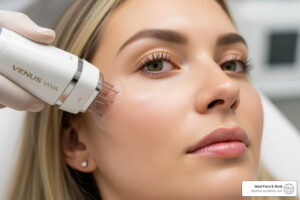
Lasers are often the “magic wand” of the dermatology world, but they require a skilled hand. A pulsed-dye laser can significantly improve a raised, red scar in just a few sessions by reducing the blood supply to the scar tissue. For deeper, pitted scars, we often turn to microneedling for scar tissue. This process is incredibly effective for microneedling hypertrophic scars as it helps mechanically break down the dense fibers.
For patients who prefer a less invasive start, using a dermaroller for scars at home can complement professional treatments, though professional-grade microneedling in our Beverly Hills office reaches depths that home rollers simply cannot.
Best Practices for Using Advanced Scar Therapy
To get the most out of Advanced scar therapy, consistency is everything. You can have the best product in the world, but if you only apply it once a week, the results will be underwhelming.
The Timeline of Healing
Most clinical protocols suggest an 8-week protocol for new scars and a 3-6 month duration for older or more stubborn marks. The skin’s “re-epithelization” (the closing of the wound) usually takes 10-14 days. This is the green light to start most topical therapies.
Application Tips
- Clean and Dry: Always apply products to a clean, dry surface.
- Frequency: Most gels require application 2-3 times daily. If you are using a tension-offloading device, these are typically worn for a week at a time and then replaced.
- Massage: For older, raised scars, gently massaging the gel into the area can help break up the fibrous tissue and improve blood flow.
- Sun Protection: This is the most underrated step in Advanced scar therapy. UV rays are a scar’s worst enemy. They cause scars to darken and become “fixed” in their appearance. Always use an SPF 30+ over your scar treatment. This is one of the most effective ways of reducing red marks and preventing permanent discoloration.
Frequently Asked Questions about Scar Removal
What types of scars can be treated?
Nearly any type of scar can benefit from some form of Advanced scar therapy. This includes:
- Surgical Incisions: From tummy tucks to Mohs surgery.
- Acne Scars: Including ice pick, rolling, and boxcar scars.
- Burn Scars: Helping to improve both texture and flexibility.
- Stretch Marks and Tattoos: While these are technically different from surgical scars, advanced gels can help smooth the skin’s texture in these areas.
- Childhood Scars: We often see patients looking for microneedling for chicken pox scars that have bothered them for years.
Are there any side effects or precautions?
Most advanced therapies are designed to be hypoallergenic and non-comedogenic (won’t clog pores), making them safe for sensitive skin. However, you should always avoid applying products to broken skin or open wounds.
Common side effects are rare but can include minor skin irritation or a rash, especially with adhesive devices. If you have a history of allergies to adhesives or specific botanical extracts, a medical consultation is essential. We also prioritize safety when performing microneedling with PRP, ensuring the environment is sterile and the protocol is medical-grade.
Is scar therapy covered by insurance?
This is a common question with a “it depends” answer. Generally, if the scar treatment is purely for appearance, insurance companies view it as cosmetic and will not cover it.
However, if a scar is functional—meaning it causes pain, intense itching, or limits your range of motion (common with large burn scars or scars over joints)—there may be a case for medical necessity. Because costs vary significantly based on the treatment type (laser vs. topical), we recommend a professional consultation to discuss your options. You can explore various acne scar reduction options and discuss their longevity, such as whether microneedling results for acne scars are permanent, during your visit.
Conclusion
At Ideal Face & Body in Beverly Hills, we believe that you shouldn’t have to live with a reminder of a past injury or surgery if it makes you feel self-conscious. Whether you are looking for the precision of Dr. Justin Yovino’s surgical expertise or the aesthetic refinements offered by Dr. Sarah Yovino, we provide a comprehensive suite of Advanced scar therapy options.
From tension-relief technology that prevents scars before they start to advanced lasers that can fade years of discoloration, our goal is to help you achieve the smooth, confident skin you deserve. Every skin story is different, and we are here to help you “RE-write” yours with precision care and personalized treatment plans. If you’re ready to take the first step, you might even start your journey with a dermaroller for scars or book a consultation at our Beverly Hills office today.