Why Finding the Best Treatment for Varicose Veins Matters More Than You Think
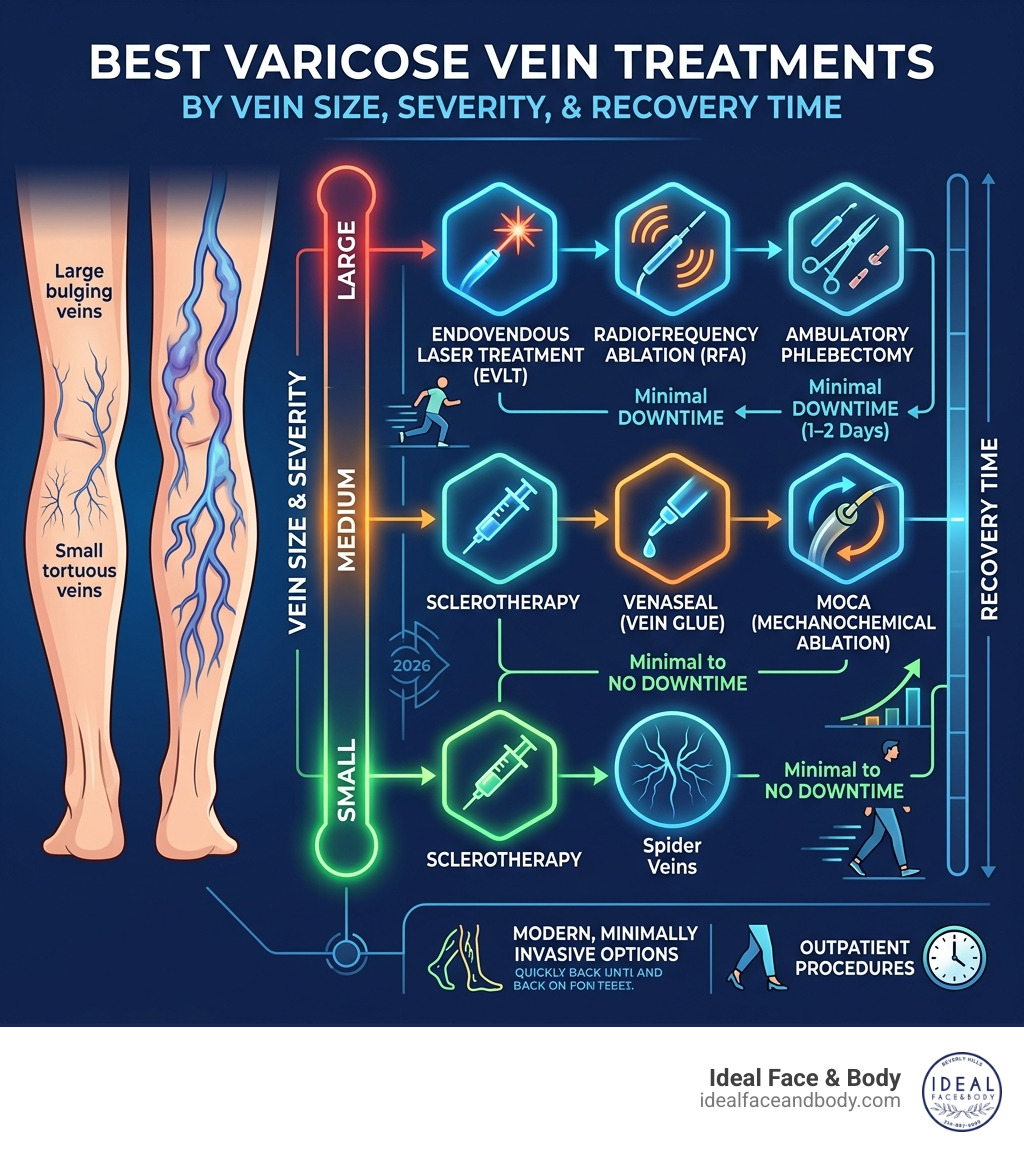
The best treatment for varicose veins depends on the size, severity, and location of the affected veins — but modern minimally invasive options make it easier than ever to get effective results with little to no downtime.
Quick answer — most effective varicose vein treatments ranked:
| Treatment | Best For | Downtime |
|---|---|---|
| Endovenous Laser Treatment (EVLT) | Large veins, great saphenous vein | Minimal |
| Radiofrequency Ablation (RFA) | Large to medium veins | Minimal |
| Sclerotherapy | Small to medium veins | None |
| VenaSeal (vein glue) | Most vein sizes, near nerves | None |
| Mechanochemical Ablation (MOCA) | Veins near nerves | Minimal |
| Ambulatory Phlebectomy | Surface veins, complex anatomy | 1–2 days |
As many as 40 million adults deal with varicose veins — those swollen, twisted, blue-purple vessels that bulge just under the skin of the legs. For many people, they are more than a cosmetic concern. They can cause aching, heaviness, swelling, and — if left untreated — serious complications like skin ulcers or blood clots.
The good news? Treatment has advanced dramatically. Gone are the days when surgery and hospital stays were the only options. Today, most procedures are done in an office setting, under local anesthesia, and patients walk out the same day.
But with so many options available in 2026, it can be hard to know which treatment is right for your veins.
This guide breaks it all down — what works, what doesn’t, and how to choose the right path forward.
I’m Dr. Sarah Yovino, MD, a double board-certified specialist in minimally invasive aesthetic treatments at Ideal Face & Body in Beverly Hills, CA. My background in advanced non-surgical techniques and radiofrequency-based procedures gives me a unique perspective on helping patients find the best treatment for varicose veins that fits their individual goals and anatomy — and I’ll walk you through everything you need to know.
Best treatment for varicose veins terms to know:
Understanding Varicose Veins: Causes, Symptoms, and Risks
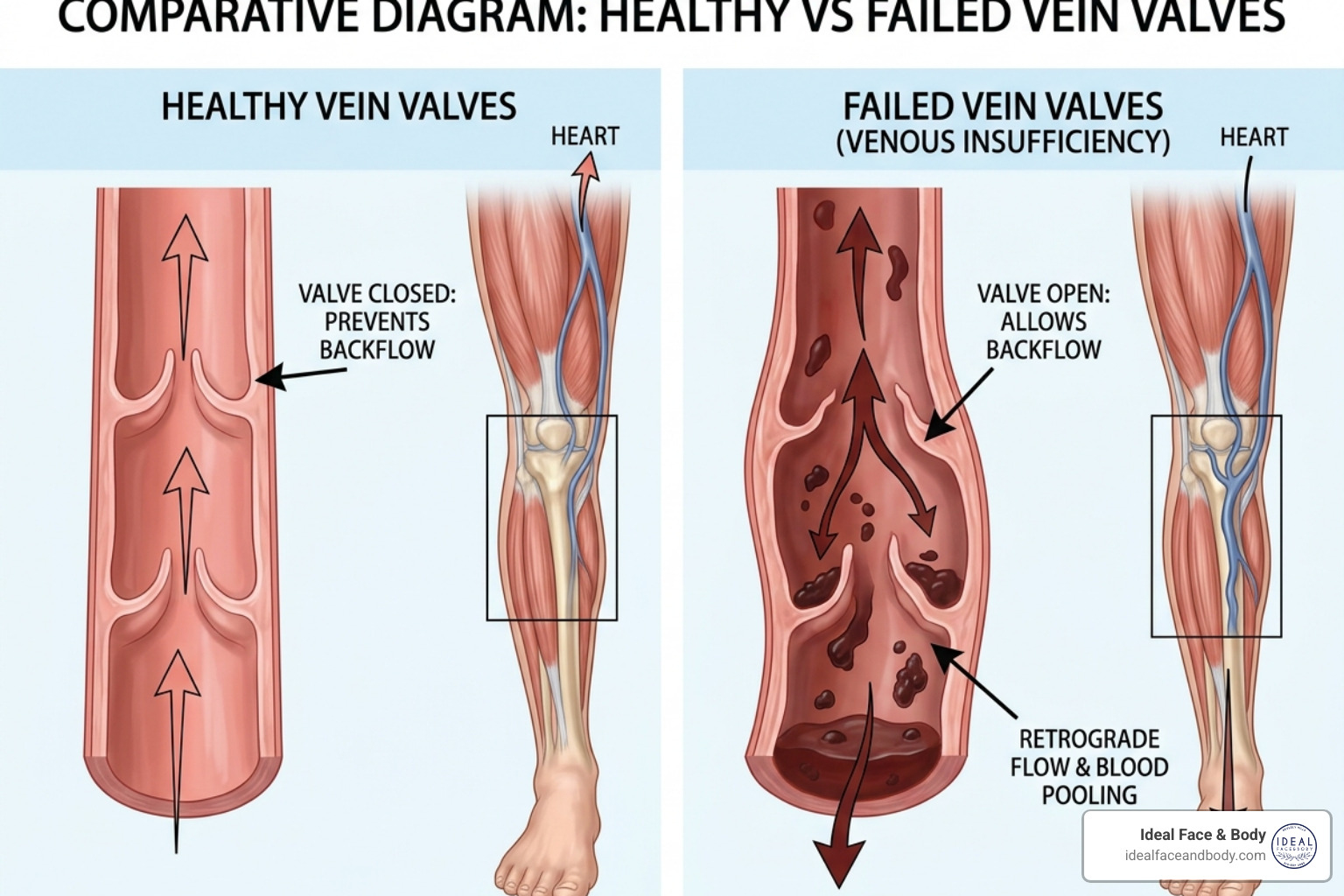
To find the best treatment for varicose veins, we first have to understand why they show up in the first place. Think of your veins as a one-way street leading back to your heart. To keep blood moving upward against gravity, your veins have tiny valves that act like gates.
When these valves become weak or damaged, they don’t close properly. Blood begins to flow backward—a process called retrograde flow—and pools in the vein. This extra pressure causes the vein to stretch, twist, and bulge, resulting in the classic “rope-like” appearance we recognize as varicose veins.
Common Symptoms
According to the Mayo Clinic’s guide on symptoms and causes, varicose veins aren’t always just a “look” issue. Many of our patients in Beverly Hills describe:
- An achy or heavy feeling in the legs.
- Burning, throbbing, muscle cramping, and swelling in the lower legs.
- Worsened pain after sitting or standing for a long time.
- Itching around one or more of the veins.
- Skin discoloration (hemosiderin staining) around a varicose vein.
You might also notice smaller, red or blue lines that look like spider webs. These are known as Spider Veins or telangiectasia. While they are often purely cosmetic, they frequently appear alongside larger varicose veins and can be a sign of underlying venous insufficiency.
Risk Factors and Complications
Why do some people get them while others don’t? It’s often a combination of:
- Family History: If your parents had them, there’s a good chance you might too.
- Pregnancy: Hormonal changes and increased blood volume put massive pressure on leg veins.
- Obesity: Carrying extra weight increases the load on your circulatory system.
- Prolonged Standing or Sitting: Gravity is not your friend if you stay in one position too long.
Ignoring these veins isn’t just about vanity. Untreated varicose veins can lead to serious issues like Deep Vein Thrombosis (DVT), painful venous ulcers (skin sores), and spontaneous bleeding if the thin skin over a bulging vein is nicked.
Comparing the Best Treatment for Varicose Veins: Minimally Invasive Options
In April 2026, the “gold standard” for vein care has shifted entirely away from invasive hospital surgeries. Most of the treatments we provide at Ideal Face & Body are outpatient procedures performed right here in Beverly Hills under local anesthesia.
The NHS highlights several modern interventions that have replaced traditional “vein stripping.” These modern techniques boast a 98% effectiveness rate and allow you to return to your normal life almost immediately.
| Feature | EVLT / RFA | Sclerotherapy | VenaSeal |
|---|---|---|---|
| Mechanism | Thermal (Heat) | Chemical (Foam/Liquid) | Medical Adhesive (Glue) |
| Best For | Large, straight veins | Small to medium veins | Veins near nerves |
| Anesthesia | Local (Tumescent) | None or Topical | Local at entry point |
| Compression | Required (1-2 weeks) | Required (varying) | Not usually required |
Sclerotherapy: The Best Treatment for Varicose Veins of Smaller Size
For smaller varicose veins and Spider Veins, sclerotherapy remains the world’s most popular choice. During this procedure, we inject a chemical solution (sclerosant) directly into the vein. This solution irritates the lining of the blood vessel, causing it to collapse and stick together. Over time, your body naturally absorbs the scar tissue, and the blood is rerouted to healthier veins.
We often use ultrasound guidance to ensure the solution reaches deeper “feeder” veins that aren’t visible to the naked eye. Patient satisfaction for Spider Vein Therapy is incredibly high—often above 85%—because it involves no incisions and no downtime.
Endovenous Laser Treatment (EVLT) and Radiofrequency Ablation (RFA)
When dealing with the “trunk” veins (like the great saphenous vein), heat is our most powerful tool.
- EVLT: Uses a tiny laser fiber inserted into the vein. The laser energy heats the vein wall, sealing it shut.
- RFA: Uses radiofrequency energy instead of light. It works similarly to EVLT but is often cited as having slightly less post-procedure bruising.
As noted by Harvard Health, these thermal ablation techniques have revolutionized care. They are “walk-in, walk-out” procedures that have effectively made traditional surgery obsolete for the vast majority of patients.
Newer Innovations: VenaSeal and Mechanochemical Ablation (MOCA)
The newest kids on the block in 2026 are non-thermal treatments.
- VenaSeal: This “vein glue” uses a medical-grade adhesive to shut the vein. Because it doesn’t use heat, there is no risk of nerve damage, and—best of all—most patients don’t need to wear compression stockings afterward.
- MOCA (ClariVein): This combines a rotating wire that physically damages the vein lining with a chemical sclerosant. It’s excellent for veins located very close to the skin’s surface or near sensitive nerves.
- Varithena: An FDA-approved microfoam that is particularly effective for complex, twisty veins that a laser fiber can’t easily navigate.
Lifestyle Management and Ineffective Remedies
While we love the results we get with medical procedures, we always tell our Beverly Hills patients that lifestyle is the foundation of vein health. However, it is important to distinguish between what manages symptoms and what cures the vein.
What Works for Management
The Mayo Clinic’s diagnosis and treatment guide recommends several self-care measures:
- Compression Stockings: These are the first line of defense. They squeeze your legs, helping veins and leg muscles move blood more efficiently.
- Leg Elevation: Propping your feet above your heart for 15 minutes a few times a day can significantly reduce swelling.
- Calf Exercises: Your calf muscles act as a second heart. Walking and calf raises pump blood out of the legs.
- Low-Salt Diet: Reducing sodium prevents the water retention that puts extra pressure on your valves.
What Does NOT Work
There is a lot of “snake oil” in the vein world. Be wary of:
- Topical Creams: No cream can penetrate deep enough to fix a mechanical valve failure inside a vein. They might moisturize your skin, but the varicose vein will remain.
- Herbal Supplements: While Horse Chestnut Seed Extract may offer mild, short-term symptom relief, systematic reviews show they do not cure the underlying condition.
- Exercise Alone: While great for prevention, exercise cannot “un-stretch” a vein that has already become varicosed.
Choosing the Best Treatment for Your Specific Case
Choosing the best treatment for varicose veins isn’t a DIY project. It requires a professional eye and, more importantly, professional technology. At Ideal Face & Body, we don’t just look at the surface; we look at the source.
Determining the Best Treatment for Varicose Veins Through Diagnosis
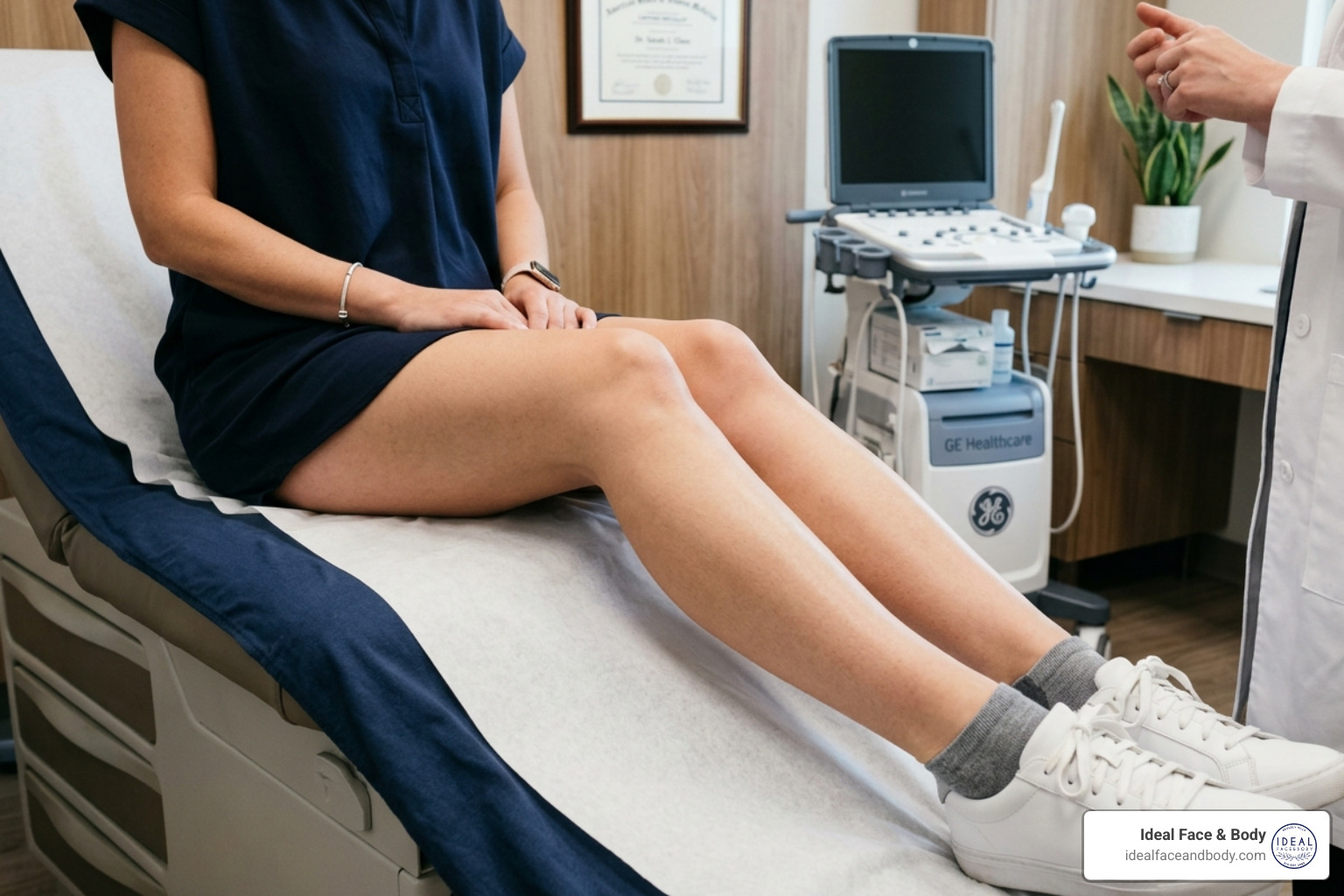
The most critical step is the Venous Doppler Ultrasound. This painless test allows us to map your blood flow in real-time. We look for “reflux”—blood falling backward—to identify exactly which valves have failed.
We use the CEAP Classification system (Clinical, Etiologic, Anatomic, and Pathophysiologic) to grade your condition. This ensures that whether you are here for cosmetic Spider Vein Therapy or medical relief from bulging vessels, your treatment plan is medically sound.
In some cases, we might recommend Ambulatory Phlebectomy. This sounds scary, but it’s actually a very gentle procedure where we remove large, surface-level veins through tiny “micro-incisions” that don’t even require stitches. It’s often paired with EVLT or RFA for the most comprehensive aesthetic result.
Frequently Asked Questions about Varicose Vein Removal
What is the recovery time for modern vein treatments in 2026?
Recovery is remarkably fast. For treatments like Sclerotherapy or VenaSeal, you can usually head back to work immediately. For thermal treatments (EVLT/RFA), we typically recommend avoiding heavy weightlifting for about a week, but walking is encouraged the very same day. You’ll likely wear compression stockings for 3 to 7 days to ensure the vein stays sealed during the initial healing phase.
Are the results of minimally invasive treatments permanent?
The specific veins we treat are gone for good. Your body will naturally reabsorb them. However, it’s important to remember that we can’t change your genetics. If you are prone to varicose veins, new ones can develop in different vessels over time. This is why maintenance and lifestyle changes are so important!
When should I see a specialist for my leg veins?
You should book a consultation if:
- The veins are causing physical pain, throbbing, or heaviness.
- You have skin changes, like thickening or “leathery” skin near the ankles.
- You have a sore or ulcer that isn’t healing.
- You are simply unhappy with how your legs look and want to feel confident in shorts or swimwear again.
Conclusion: Your Path to Healthier Legs in Beverly Hills
Varicose veins are a common part of life for millions, but they don’t have to be a permanent one. Whether you are seeking relief from the “heavy leg” feeling at the end of the day or you want to erase the “road map” of Spider Veins on your calves, the best treatment for varicose veins is available right now.
At Ideal Face & Body in Beverly Hills, Dr. Sarah Yovino and Dr. Justin Yovino are dedicated to combining medical precision with an aesthetic eye. We understand that you want your legs to feel as good as they look. From advanced Spider Vein Therapy to the latest in thermal ablation, we provide personalized care tailored to your unique anatomy.
Don’t wait for complications like ulcers or clots to make the decision for you. Take control of your vascular health and aesthetic confidence today.
Ready to see the difference? More info about Spider Vein Therapy or contact us at our Beverly Hills office to schedule your diagnostic ultrasound and consultation. Let us help you put your best foot forward!