What is buccal fat removal surgery: 1 Sculpted Look
The Trend of Facial Contouring
What is buccal fat removal surgery is a cosmetic procedure that removes fat pads from the lower cheeks to create a more sculpted, defined facial appearance. This surgery, also known as buccal lipectomy or cheek reduction, targets the buccal fat pad—a naturally occurring pocket of fat between your cheekbones and jawbone—to improve your natural bone structure and achieve a slimmer profile.
Quick Overview:
- What it does: Removes buccal fat pads from the cheeks
- Goal: Creates more defined cheekbones and a contoured jawline
- Procedure time: 30-60 minutes
- Anesthesia: Local anesthesia (awake procedure) or sedation
- Incision location: Inside the mouth (no visible scars)
- Results: Permanent fat removal with a more angular facial appearance
Facial contouring has surged in popularity over the past few years, driven by social media trends and celebrity influence. In 2022, the American Society of Plastic Surgeons recorded 4,543 buccal fat removal procedures, making it one of the fastest-growing facial procedures. People are increasingly seeking ways to highlight their cheekbones and achieve that coveted sculpted look, especially those who feel their face appears too round or full despite maintaining a healthy weight.
The procedure has even earned the colloquial nickname “Handsome Squidward surgery” on platforms like TikTok and Twitter, where discussions about facial aesthetics have exploded. But beyond the trending hashtags, buccal fat removal is a legitimate surgical option for those who want to improve their natural features and achieve lasting facial definition.
This procedure isn’t right for everyone. People with naturally thin or narrow faces may end up looking gaunt, especially as they age and naturally lose facial volume. That’s why choosing an experienced surgeon who can assess your unique facial structure is critical.
I’m Dr. Sarah Yovino, a double board-certified master injector specializing in non-surgical and surgical medical aesthetics at Ideal Face & Body in Beverly Hills. Through my extensive training and mentorship with Dr. Justin Yovino, I’ve developed expertise in what is buccal fat removal surgery and helping patients achieve natural-looking, balanced results that improve their best features. My focus is on precision, patient comfort, and creating outcomes that look like you were simply born with them.

Learn more about what is buccal fat removal surgery:
Understanding What is Buccal Fat Removal Surgery
When we talk about what is buccal fat removal surgery, we’re referring to a procedure that precisely targets and removes a specific fat pad located deep within the cheeks. This area, known as the buccal fat pad (or Bichat’s fat pad, named after Xavier Bichat who correctly identified it as fat tissue in 1802), plays a significant role in the overall shape and fullness of our face. For some, these fat pads can be quite prominent, leading to a “chubby” or “baby-faced” appearance, even if they are otherwise lean.
The primary goal of this surgery is facial slimming or cheek reduction. By carefully removing a portion of these fat pads, we can create a more contoured, angular look, enhancing the definition of the cheekbones and jawline. Unlike fat elsewhere in the body, the buccal fat pad often doesn’t respond to diet or exercise, making surgical removal a permanent solution for those seeking this specific facial change.
The buccal fat pad itself is a complex anatomical structure. It’s not just a single lump of fat; it has several extensions and lobes, nestled between various facial muscles, nerves, and ducts. Its size can vary significantly from person to person and even between the two sides of the same face. Historically, the buccal fat pad was primarily recognized for its role in supporting the suckling function in infants and facilitating muscle movement in adults. However, its aesthetic significance has gained increasing attention, leading to the development and refinement of what is buccal fat removal surgery as a cosmetic procedure.
The Benefits of Buccal Fat Removal
For individuals who feel their face lacks definition due to excessive cheek fullness, the benefits of buccal fat removal can be transformative. We’ve seen how this procedure can bring out the natural beauty of a patient’s facial structure.

Here are some of the key advantages:
- Improved Cheekbones: By reducing the volume in the lower cheeks, the upper cheekbones become more prominent and defined, creating a striking facial contour.
- Defined Jawline: A slimmer lower face helps to highlight the jawline, moving away from a rounded appearance towards a more angular and chiseled profile.
- Slimmer Facial Profile: Patients often report a significant reduction in the overall perceived width and fullness of their face, leading to a more neat and sophisticated look.
- Balanced Facial Proportions: For those with disproportionately full cheeks, the surgery can harmonize facial features, bringing better balance to the face.
- Correcting a “Baby Face” Appearance: Many adults, despite being at a healthy weight, retain a youthful “baby face” due to prominent buccal fat. This procedure can help them achieve a more mature and refined appearance.
The results are permanent, as the removed fat cells do not grow back. This means a lasting change that can significantly boost confidence and self-image. You can explore more about the benefits of buccal fat removal on our dedicated page.
Who is a Good Candidate for This Procedure?
Deciding whether what is buccal fat removal surgery is right for you involves a thorough evaluation of your facial anatomy, aesthetic goals, and overall health. We prioritize patient safety and satisfaction, which means being selective about who we recommend for this procedure.
Generally, good candidates for buccal fat removal are individuals who:
- Have full, round cheeks: This is the most common reason people seek this surgery. They often feel their cheeks make their face look “chubby” or too wide.
- Possess a stable body weight: Significant weight fluctuations after the procedure could impact the overall aesthetic outcome. We recommend patients be at or near their ideal weight before considering surgery.
- Are in good physical health: Candidates should be free from serious medical conditions that could complicate surgery or recovery.
- Are non-smokers: Smoking can impair healing and increase the risk of complications.
- Have realistic expectations: It’s crucial to understand what the surgery can and cannot achieve. A detailed consultation will help set appropriate expectations.
It’s equally important to understand who might not be an ideal candidate. People with naturally thin, narrow, or gaunt faces are generally advised against this procedure. Removing buccal fat from these individuals could lead to an overly hollowed or aged appearance, especially as they get older and natural facial fat diminishes. Similarly, individuals who are older may need to consider the elasticity of their skin and the natural loss of facial volume that occurs with age. Most doctors recommend waiting until at least ages 18-20, as the face shape and buccal fat pads can still change significantly during maturation.
We also cater to specific needs, such as buccal fat removal for men who desire a more chiseled and masculine facial structure.
The Surgical Process: How Buccal Fat Removal is Done
What is buccal fat removal surgery is a straightforward and relatively quick outpatient procedure. This means you can go home the same day. The entire process typically takes between 30 to 60 minutes, making it a convenient option for many of our patients in Beverly Hills.
One of the unique aspects of our approach at Ideal Face & Body is our expertise in performing this procedure comfortably awake under local anesthesia. This is often compared to a routine dental procedure, ensuring a “painless” experience for our patients. For those who prefer, or if the procedure is combined with other surgeries, sedation options are also available. Our priority is always your comfort and safety.
The precise technique and our specialized approach ensure minimal discomfort and a smoother recovery. You can find more detailed information on how buccal fat removal is done on our website.
Step-by-Step: The Buccal Fat Removal Technique
The procedure for what is buccal fat removal surgery is carefully performed to ensure precise results and minimize any visible signs of surgery.
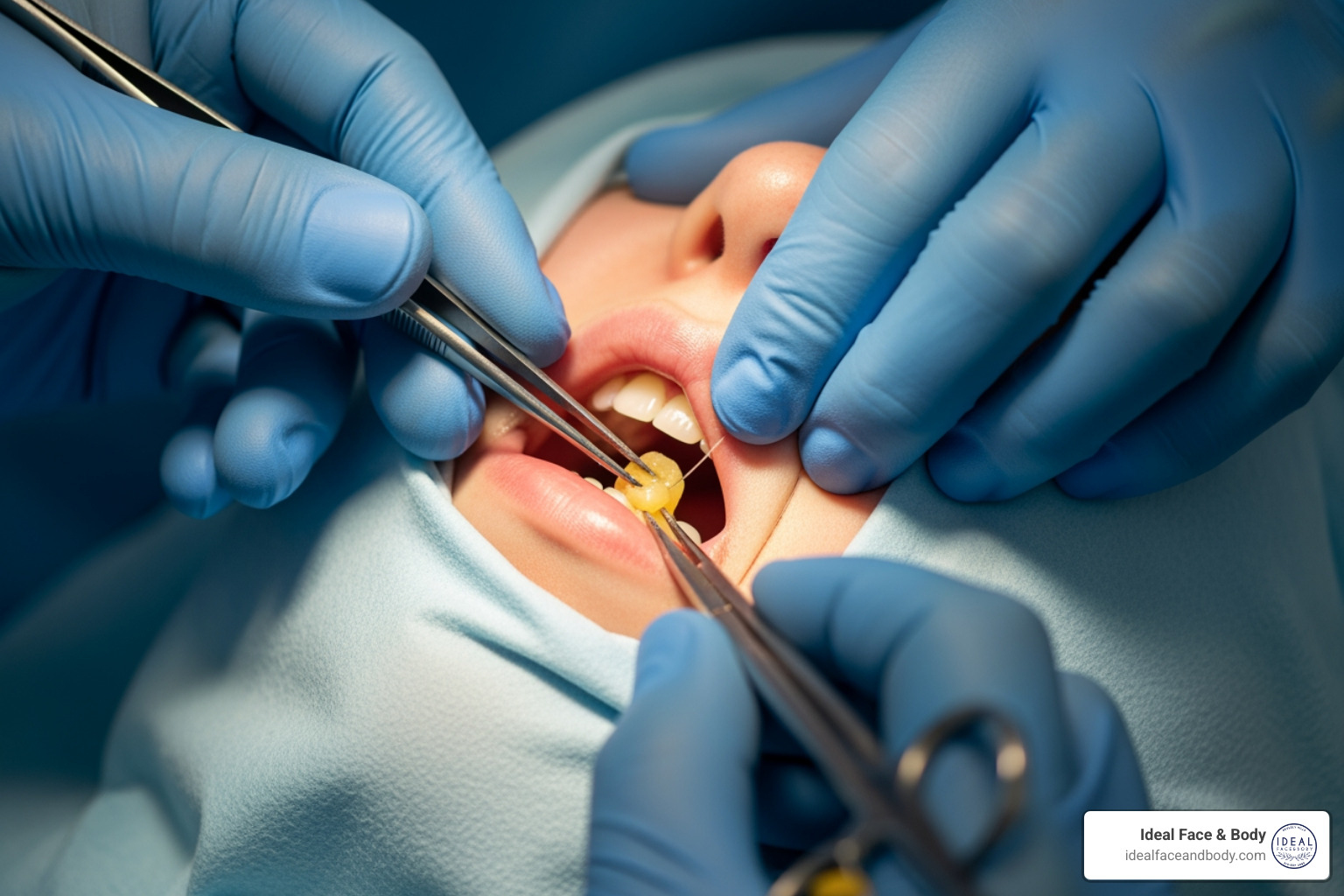
Here’s a step-by-step overview of what you can expect:
- Consultation and Facial Analysis: Before any surgery, we conduct a thorough consultation. Dr. Sarah Yovino or Dr. Justin Yovino will examine your facial structure, discuss your aesthetic goals, and determine if you are a suitable candidate. We’ll assess the size and prominence of your buccal fat pads and explain the expected outcome.
- Anesthesia: As mentioned, we often perform this procedure under local anesthesia, keeping you comfortable and awake throughout. For those who prefer, or if combined with other procedures, light sedation can also be used.
- Marking the Incision Area: Once the area is numb, Dr. Yovino will make precise markings inside your mouth to guide the incision.
- Making a Small Incision Inside the Cheek: A small incision, typically about 1.5 cm, is made on the inside of your cheek, near the upper second molar. This strategic placement ensures that there are absolutely no visible external scars.
- Isolating and Removing the Fat Pad: Through this small incision, the buccal fat pad is gently exposed. Using specialized instruments and applying gentle external pressure to the cheek, a portion of the fat is carefully teased out. We remove just the right amount to achieve a natural-looking, sculpted result, avoiding overcorrection. On average, about 3 to 5 cubic centimeters of fat are removed per side.
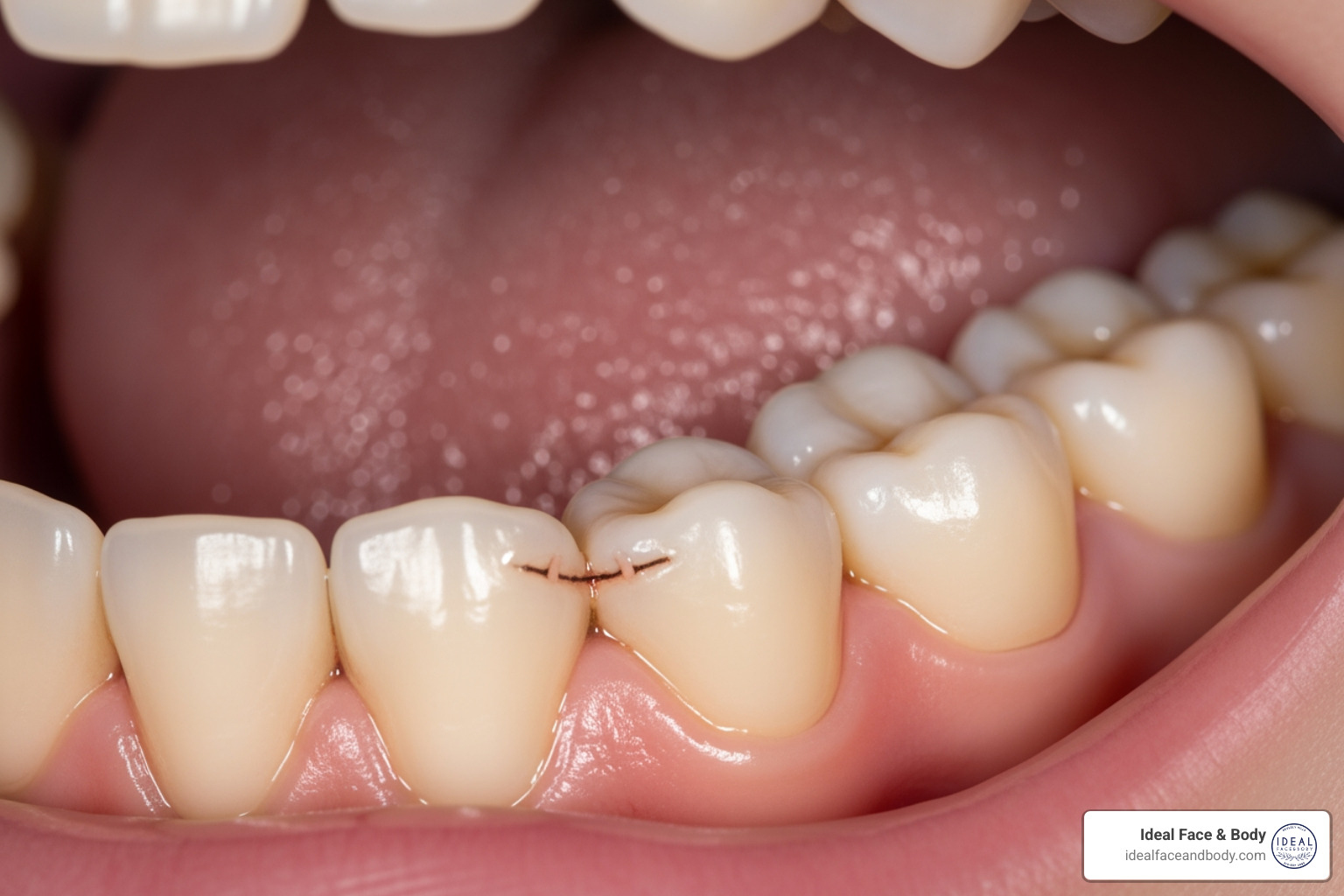
- Closing Incisions with Dissolvable Sutures: Once the desired amount of fat is removed, the small incisions inside your mouth are closed with dissolvable sutures. These sutures will naturally disappear within a few weeks, eliminating the need for removal.
- Seeing the Results: While initial swelling will be present, the journey to a more contoured facial appearance begins immediately.
Risks and Complications: What is Buccal Fat Removal Surgery Safety?
Like any surgical procedure, what is buccal fat removal surgery carries certain risks and potential complications. While generally considered safe, especially when performed by an experienced surgeon, it’s crucial to be fully aware of these possibilities. Our team at Ideal Face & Body prioritizes patient education and takes every precaution to minimize these risks.
Here are some potential risks associated with buccal fat removal:
- Infection: As incisions are made inside the mouth, there’s a slight risk of infection. We provide specific post-operative care instructions, including medicated mouth rinses, to help prevent this.
- Bleeding: Minor bleeding is normal, but excessive bleeding or hematoma (a collection of blood) can occur, though it’s rare.
- Nerve Injury: The buccal fat pad is in close proximity to the facial nerves, particularly the buccal branch of the facial nerve. Injury to this nerve could lead to temporary or, in very rare cases, permanent facial muscle weakness or numbness.
- Facial Asymmetry: While surgeons strive for perfect symmetry, slight differences between the two sides of the face can occur.
- Overcorrection (Gaunt Look): This is a significant concern, especially for individuals who are not ideal candidates. Removing too much fat can lead to a hollowed or prematurely aged appearance, which can be difficult to reverse. This is why a conservative approach and experienced judgment are paramount.
- Salivary Duct Injury: The parotid duct (Stenson’s duct), which transports saliva, is also located near the buccal fat pad. Injury to this duct, though rare, could lead to a salivary fistula (leakage of saliva) or obstruction.
The importance of choosing a qualified and experienced surgeon cannot be overstated. A surgeon with deep knowledge of facial anatomy, like Dr. Sarah Yovino and Dr. Justin Yovino, will carefully plan and execute the procedure to steer these delicate structures safely. For more detailed information on surgical risks, you can refer to resources like Harvard Health on surgical risks.
Recovery and Long-Term Results
After undergoing what is buccal fat removal surgery, understanding the recovery process and anticipating the long-term results is key to a smooth and satisfying experience. While the procedure itself is quick, patience is a virtue during the healing phase.
Initially, you can expect some swelling and bruising in the treated area. This is a normal part of the healing process. Most significant swelling typically subsides within the first week or two, but subtle swelling can persist for several months.
Post-procedure care is crucial for optimal healing and to minimize complications. We will provide you with detailed instructions, which usually include:
- Using a special medicated mouth rinse to keep the incision sites clean and prevent infection.
- Adhering to a soft or liquid diet for the first few days to a week to avoid irritating the internal incisions.
- Avoiding strenuous activities and heavy lifting for a period to reduce swelling and promote healing.
The full and final results of what is buccal fat removal surgery are not immediately apparent. As the swelling gradually resolves over several months, the new, more sculpted contours of your cheeks will become visible. This gradual change allows for a natural-looking improvement. You can learn more about the specific buccal fat removal downtime on our website.
What to Expect During the Recovery Period
The recovery period following what is buccal fat removal surgery is generally manageable, and most patients find they can return to light activities relatively quickly.
Here’s a more in-depth look at what to expect:
- Initial Discomfort: You might experience mild discomfort, soreness, or tenderness in your cheeks, which can be managed with prescribed pain medication or over-the-counter pain relievers.
- Swelling and Bruising: Expect swelling and some bruising around the cheeks and jawline. Applying cold compresses can help reduce these symptoms in the first 24-48 hours.
- Dietary Restrictions: For the first few days, sticking to a soft, bland diet is recommended to prevent irritation to the internal incisions. Foods like yogurt, smoothies, mashed potatoes, and soft soups are good choices. Gradually, you can reintroduce solid foods as comfort allows.
- Oral Hygiene: Maintaining excellent oral hygiene is vital. We will advise on specific mouth rinses to use, and gentle brushing should be resumed as directed.
- Activity Restrictions: Most patients can return to work or school within a few days, often within a week. Strenuous exercise and activities that could jar the face should be avoided for at least two to three weeks to allow for proper healing.
- Following Post-Op Instructions: Adhering strictly to all post-operative instructions provided by Dr. Sarah Yovino or Dr. Justin Yovino is the best way to ensure a smooth recovery and optimal results.
For a comprehensive guide to what you can expect during the healing process, please visit our buccal fat removal recovery page.
Long-Term Effects and What Happens as You Age
One of the most frequently asked questions about what is buccal fat removal surgery is concerning its longevity and how the results will hold up over time. The excellent news is that the fat removed during this procedure is permanent – those specific fat cells do not grow back. This means the sculpted, slimmer contour achieved is a lasting change.
However, it’s important to consider the natural aging process. As we age, our faces naturally lose volume, including fat, bone, and muscle. This process can lead to a more hollowed appearance in the cheeks and temples, and increased skin laxity. For individuals who have undergone buccal fat removal, this natural aging can sometimes intensify the slimming effect, potentially leading to a more gaunt look decades later if too much fat was removed initially or if they had a naturally narrow face to begin with. This is a key reason why conservative removal and careful patient selection are so important.
Weight fluctuations can also impact the overall facial aesthetic. While the removed buccal fat won’t return, significant weight gain or loss can affect other fat pads in the face, altering the overall facial contour. Maintaining a stable, healthy weight is recommended to preserve the results.
Some individuals, years down the line, might seek to restore some facial volume if they feel their face has become too thin due to aging. This can often be achieved with non-surgical options like dermal fillers, which can subtly replenish lost volume in other areas of the face. For specific considerations regarding buccal fat removal age and how it affects long-term outcomes, we have more information available.
Making an Informed Decision
Choosing to undergo what is buccal fat removal surgery is a significant personal decision. It’s essential to understand how it compares to other facial contouring procedures and to be fully informed about all aspects, including potential costs.
| Feature | Buccal Fat Removal | Cheek Liposuction | Dermal Fillers |
|---|---|---|---|
| Primary Goal | Reduce lower cheek fullness, improve definition | Reduce overall cheek fat, contour | Add volume, fill hollows, smooth wrinkles |
| Fat Type Targeted | Deep buccal fat pads | Superficial subcutaneous fat | N/A (injectable substances) |
| Procedure Type | Surgical | Surgical (minimally invasive) | Non-surgical (injectable) |
| Longevity of Results | Permanent (fat removed does not grow back) | Permanent (fat cells removed do not return) | Temporary (6 months to 2 years, depending on filler) |
| Incision/Scarring | Internal incision (no visible external scars) | Small external incisions (minimal, hidden scars) | Needle injections (no scars) |
| Recovery | 1-2 weeks initial swelling, months for final | 1-2 weeks initial swelling, months for final | Minimal downtime, some swelling/bruising |
| Reversibility | Not easily reversible (fat is removed) | Not easily reversible | Reversible (with hyaluronidase for HA fillers) |
| Best For | Round or “chubby” cheeks due to deep fat pads | Generalized facial fat, less defined contour needs | Volume loss, fine lines, subtle contouring |
Beyond surgical options, some individuals explore non-surgical ways to reduce facial fat, such as maintaining a healthy lifestyle, diet, exercise, staying hydrated, getting adequate sleep, and even facial exercises. While these can contribute to overall wellness and may subtly impact facial appearance, they generally do not offer the dramatic and targeted contouring achieved by what is buccal fat removal surgery. For those interested in complementary approaches, we discuss options for buccal fat removal naturally.
Regarding the typical cost of what is buccal fat removal surgery, it’s important to understand that it varies widely. Factors such as the surgeon’s expertise, the facility where the procedure is performed, and geographic location all play a role. As a cosmetic procedure, it is generally not covered by medical insurance.
How to Choose a Qualified Surgeon in Beverly Hills
Choosing the right surgeon for what is buccal fat removal surgery is perhaps the most critical step in ensuring a safe procedure and satisfactory results. In a hub like Beverly Hills, where cosmetic procedures are prevalent, it’s essential to select a professional who not only has the technical skill but also a keen aesthetic eye.
Here’s what to look for:
- Board Certification: Always choose a surgeon who is board-certified by the American Board of Plastic Surgery or a similar reputable board. This signifies that they have met rigorous standards of training, experience, and ethical practice. You can verify certifications through resources like the American Society of Plastic Surgeons’ Find a Plastic Surgeon tool.
- Specialization in Facial Plastic Surgery: While many plastic surgeons perform a range of procedures, those who specialize in facial aesthetics often possess a deeper understanding of the intricate anatomy and nuances of facial contouring. Dr. Sarah Yovino and Dr. Justin Yovino at Ideal Face & Body bring extensive experience and a specialized focus on facial procedures.
- Before-and-After Photo Galleries: Reviewing a surgeon’s portfolio of previous what is buccal fat removal surgery cases can give you a clear idea of their aesthetic style and the quality of their results. Look for outcomes that appear natural, balanced, and align with your own desired look.
- Patient Reviews and Testimonials: Hearing about other patients’ experiences can provide valuable insights into the surgeon’s communication style, patient care, and overall satisfaction.
- The Consultation Process: A thorough consultation is non-negotiable. During this meeting, the surgeon should listen attentively to your goals, perform a detailed facial assessment, explain the procedure in depth, discuss potential risks and benefits, and answer all your questions honestly. It’s your opportunity to gauge their expertise and comfort level.
At Ideal Face & Body in Beverly Hills, Dr. Sarah Yovino and Dr. Justin Yovino are renowned for their expertise, especially in procedures that prioritize patient comfort, such as “Precision Sculpt” awake liposuction and “painless” lip augmentation. This same dedication to precision and patient well-being extends to our buccal fat removal procedures, ensuring a custom approach for each individual.
The Goals of What is Buccal Fat Removal Surgery
The goal of what is buccal fat removal surgery is to achieve a more refined and sculpted facial appearance, specifically by reducing fullness in the lower cheeks. This can lead to more prominent cheekbones, a more defined jawline, and an overall slimmer facial profile. It’s about enhancing your natural features to create a harmonious and balanced look that aligns with your aesthetic desires.
Regarding the financial investment for what is buccal fat removal surgery, as a cosmetic procedure, it is not covered by insurance. The overall cost will typically include several components:
- Surgeon’s Fee: This is the fee for the surgeon’s expertise and time.
- Anesthesia Fee: If sedation is used, there will be a separate fee for the anesthesiologist and the type of anesthesia administered.
- Facility Costs: This covers the use of the surgical facility.
- Other Related Expenses: This might include pre-operative lab tests, post-operative garments (if any), and prescription medications.
It’s important to have a clear understanding of all these potential expenses during your consultation. While we cannot provide exact figures here, we encourage you to discuss the financial aspects thoroughly with our team. For more general information on buccal fat removal cost, you can explore our resources.
Achieve Your Ideal Look with Expert Care
Buccal fat removal is a powerful tool for facial sculpting, offering a more defined and contoured appearance. By choosing a board-certified surgeon with experience in facial procedures, you can ensure a safe and effective outcome that aligns with your aesthetic goals. Ready to see what’s possible? Explore our gallery of stunning changes. View our Buccal Fat Removal before and after gallery.