Do derma rollers work? 2025’s Magic Transformation
Understanding Derma Rollers and Their Impact on Your Skin
Do derma rollers work? Yes, they do—when used correctly. Research shows that derma rolling, also called microneedling, can significantly improve your skin by:
- Boosting collagen production
- Reducing the appearance of acne scars, fine lines, and wrinkles
- Improving skin texture and tone
- Enhancing product absorption
- Stimulating hair growth on the scalp
- Minimizing enlarged pores and stretch marks
The effectiveness depends on needle length, frequency, and proper technique. At-home devices with shorter needles (0.25-0.5mm) primarily boost product absorption, while professional treatments with longer needles (1.5mm+) trigger more dramatic collagen remodeling.
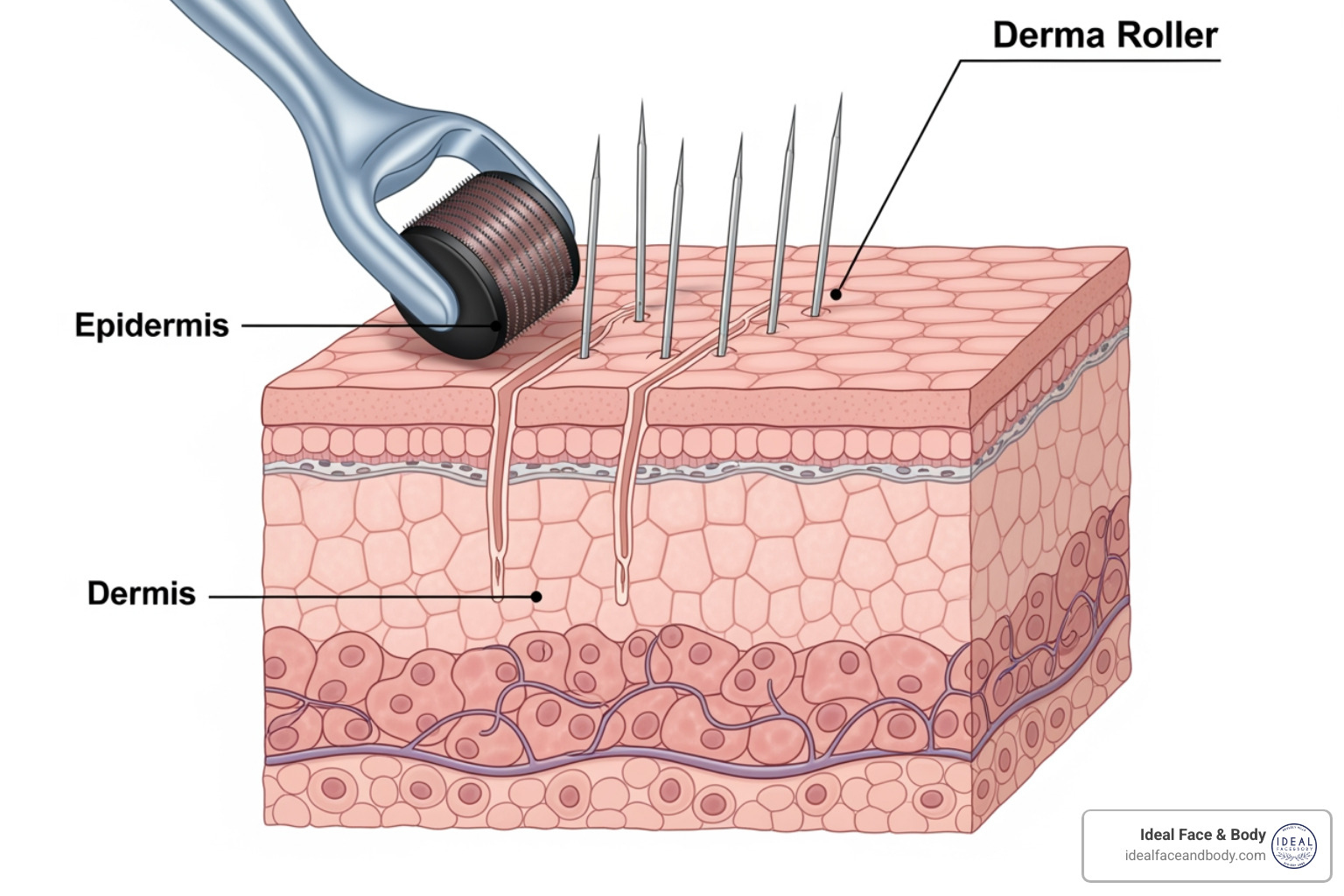
You’ve likely seen social media buzz about derma rollers changing skin. This handheld device, covered in tiny needles, is based on solid science. Rolling the microneedles across your skin creates controlled micro-injuries that trigger your body’s natural healing response, tricking your skin into producing fresh collagen and elastin.
The results can be impressive. Studies show that just four microneedling sessions can increase collagen and elastin production by 400%. This is why the technique is used professionally to treat everything from acne scars to signs of aging.
However, not all derma rolling is created equal. Using the wrong needle length, rolling too aggressively, or skipping sterilization can do more harm than good. While at-home derma rollers can offer improvements, they work very differently than professional microneedling.
As Dr. Sarah Yovino, a double board-certified physician specializing in non-surgical medical aesthetics at Ideal Face & Body in Beverly Hills, I’ve helped countless patients understand if derma rollers work for their skin concerns and when professional treatment is the better choice. Let me walk you through what you need to know.
Know your do derma rollers work terms:
What is a Derma Roller and How Does It Work?
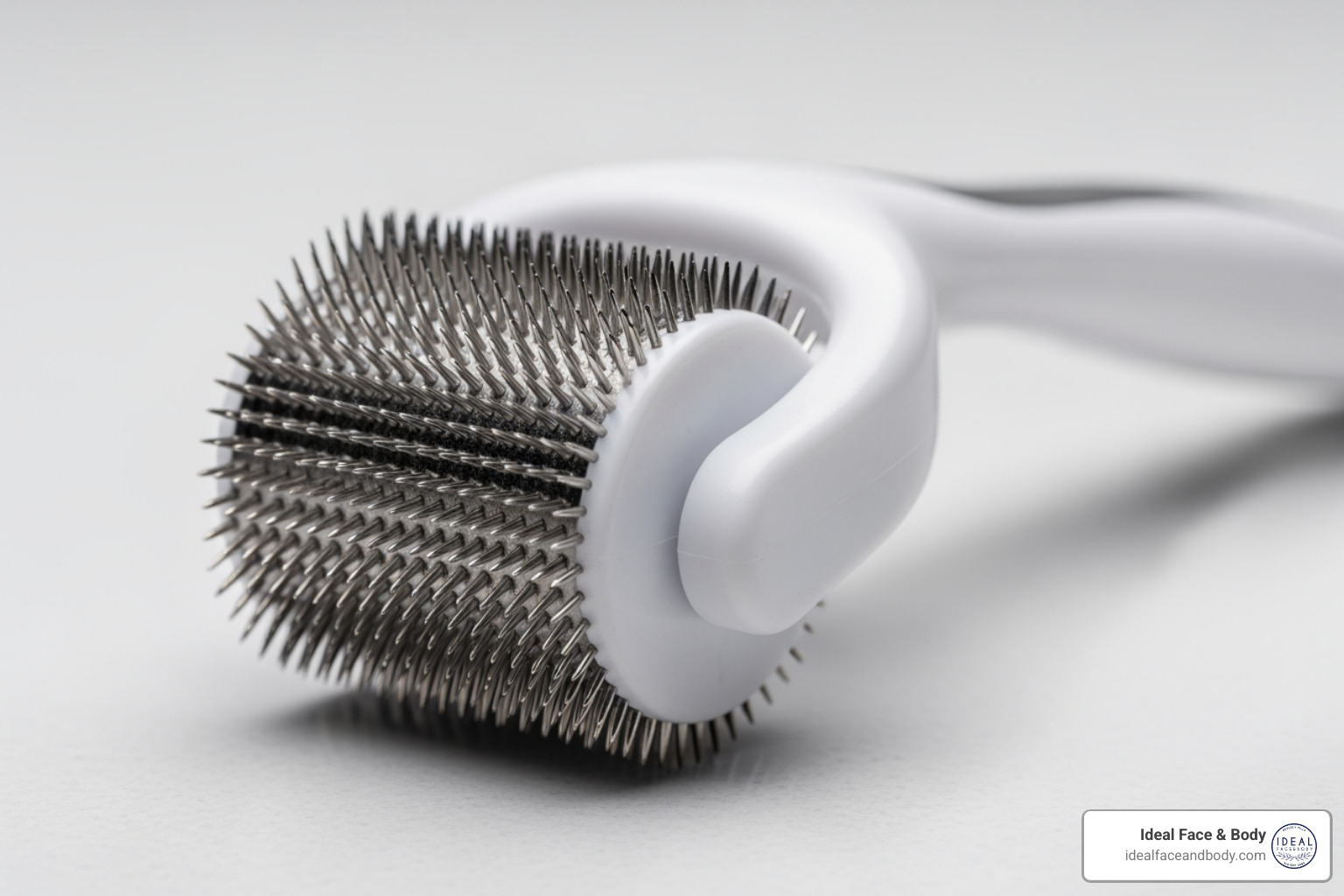
At its core, a derma roller is a handheld device with a rotating head covered in tiny needles, typically 0.2mm to 2.5mm long. When rolled across the skin, these microneedles create thousands of microscopic punctures or “micro-injuries.” These are superficial and controlled, designed to stimulate the skin’s natural healing processes without causing significant damage.
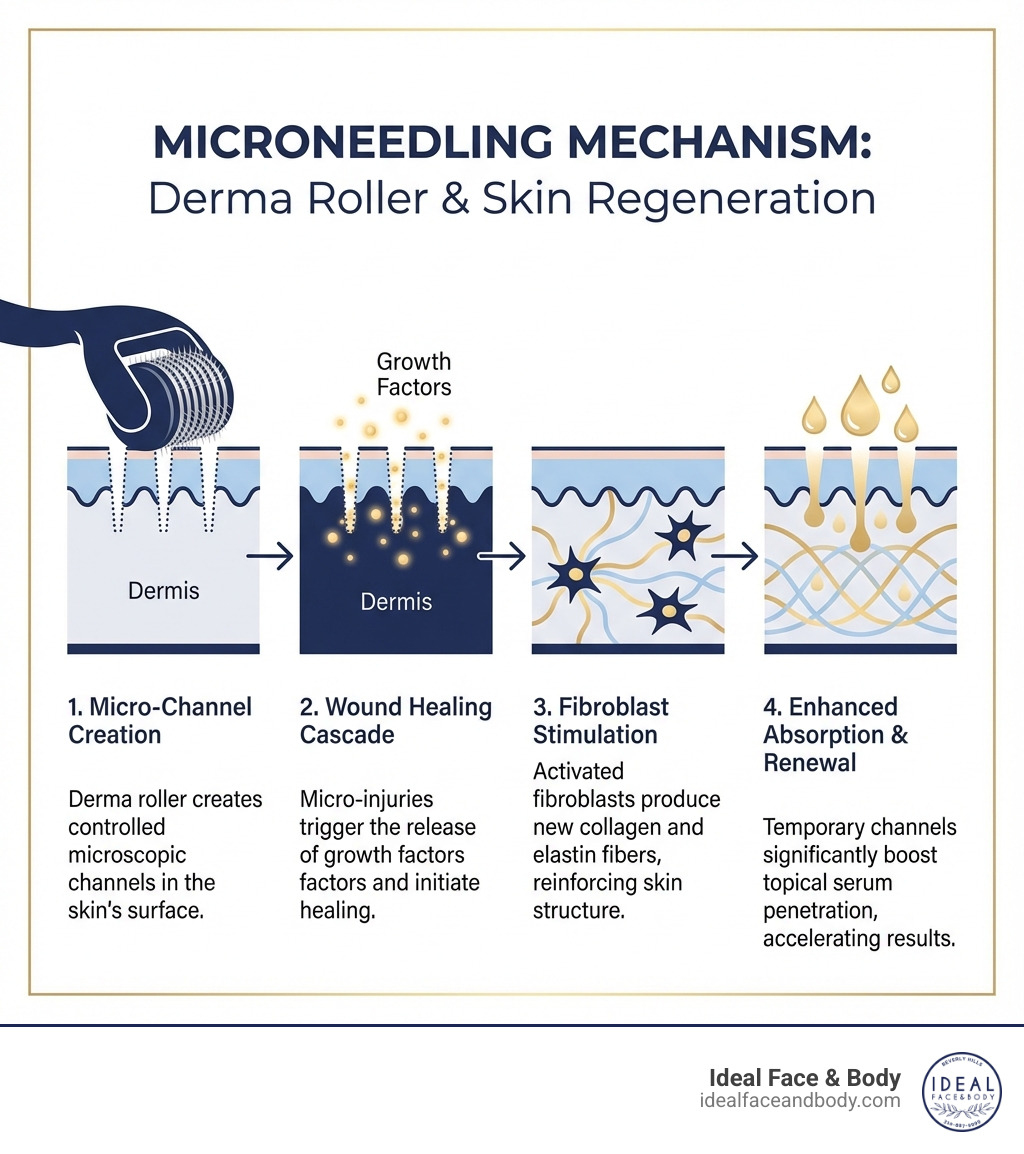
This process is scientifically known as Collagen Induction Therapy (CIT). The tiny punctures trigger a cascade of natural responses:
- Wound Healing: The body rushes to repair the micro-injuries, increasing blood flow and releasing growth factors.
- Collagen and Elastin Production: These growth factors stimulate cells to produce new collagen and elastin—the proteins that give skin its structure, firmness, and elasticity. As a 2008 study found, just four microneedling sessions can result in up to a 400 percent rise in collagen, leading to firmer, more youthful-looking skin.
- Improved Product Absorption: The micro-channels act as temporary pathways, allowing topical skincare products to penetrate deeper. This means your serums and treatments can work more effectively, delivering active ingredients where they can make a real difference.
The beauty of derma rolling lies in its ability to harness the body’s regenerative capabilities. By creating controlled micro-injuries, we gently nudge the skin to repair itself, leading to a host of benefits.
The Science-Backed Benefits of Derma Rolling
The question “do derma rollers work?” can be answered with a resounding yes. By stimulating the skin’s natural regeneration, they become a versatile tool for various skin and hair concerns.
For Skin Rejuvenation
Derma rolling is most known for improving skin texture and appearance. The collagen induction therapy it initiates can lead to remarkable improvements:
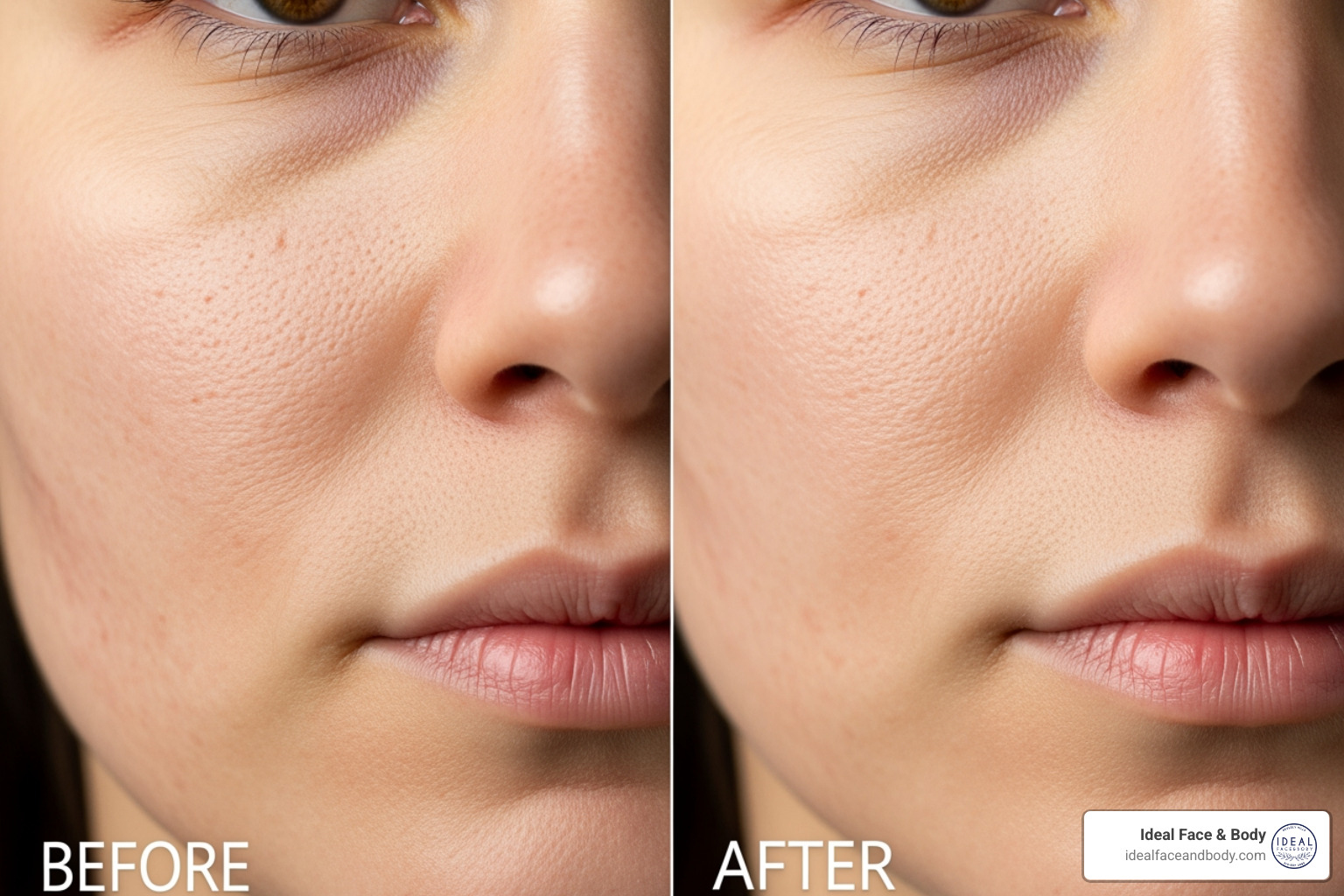
- Acne Scars: By stimulating collagen, derma rollers help fill in depressed (atrophic) acne scars. The micro-injuries break down old scar tissue and encourage new, healthier skin cell growth. Studies have shown a substantial 60 to 80% improvement in collagen and elastin fibers, crucial for scar remodeling.
- Fine Lines and Wrinkles: The boost in collagen and elastin plumps the skin, reducing the appearance of fine lines and wrinkles for a smoother complexion.
- Enlarged Pores: Derma rolling can help minimize enlarged pores. As new collagen forms, it tightens the surrounding skin, making pores appear smaller.
- Stretch Marks and Scars: Similar to acne scars, derma rolling can improve the appearance of stretch marks and other scars by encouraging the skin to repair itself.
- Improved Skin Texture and Tone: The regenerative process leads to a more even skin tone and smoother texture, and can also help with hyperpigmentation.
For Hair Growth
Derma rolling has also gained attention for promoting hair growth on the scalp and body. The mechanism is similar to skin rejuvenation, but with a focus on hair follicles:
- Stimulates Hair Follicles: Micro-injuries on the scalp encourage blood flow, delivering more oxygen and nutrients essential for healthy hair growth.
- Improves Topical Treatment Absorption: The micro-channels allow hair growth serums and topical treatments (like minoxidil) to penetrate more effectively, significantly improving their efficacy.
- Androgenetic Alopecia: For pattern baldness, derma rolling can be a valuable adjunctive therapy. A 2021 review found that using minoxidil and microneedling together was more effective than either treatment alone. The American Academy of Dermatology (AAD) also notes that microneedling may help encourage hair growth.
Your Step-by-Step Guide to At-Home Derma Rolling
At-home derma rolling can be a great addition to your routine, but safety and proper technique are paramount. Here’s how to do it right.
Choosing the Right Needle Length
Using the correct needle length is critical to avoid irritation or damage.
- 0.25mm Needles: Best for beginners, these short needles primarily improve the absorption of topical products without drawing blood.
- 0.5mm Needles: These can stimulate mild collagen production and improve skin texture, fine lines, and mild hyperpigmentation.
- 1.0mm Needles and Above: These are reserved for professional use. They penetrate deeper to target significant concerns like deep scars and wrinkles. Using these at home carries a high risk of skin damage, pain, and infection.
Safety Precaution: For at-home use, we strongly recommend sticking to needles no longer than 0.5mm. Anything longer should be handled by a trained professional.
How to Use Your Derma Roller Safely
Mastering the technique is key to getting results without harm.
- Disinfect: Before and after every use, soak your derma roller in 70% isopropyl alcohol for 5-10 minutes. Rinse with hot water and let it air dry completely. This is crucial to prevent infection.
- Cleanse: Start with clean skin or scalp. Wash the area with a mild cleanser.
- Roll Gently: Apply mild, even pressure. Roll the device over the treatment area 6-8 times in each direction: vertically, horizontally, and diagonally. Lift the roller after each pass to avoid creating “tram track” marks.
- Apply Serum: Immediately after rolling, apply a nourishing serum. Products rich in hyaluronic acid are excellent for hydration and supporting the skin’s regenerative process. Avoid harsh active ingredients like retinoids, vitamin C, or strong acids, as they can cause irritation.
- Clean and Store: After use, repeat the disinfection process. Once dry, store the roller in its protective case. Replace your derma roller every 3-6 months, or if the needles appear dull or bent.
Frequency: How Often Should You Derma Roll?
More is not always better. Overtreating can lead to adverse effects.
- For 0.25mm needles: Can be used 2-3 times per week.
- For 0.5mm needles: Use once every 1-2 weeks to allow for healing and collagen production.
- For 1.0mm+ needles (professional use): Require a 3-4 week recovery period.
Always listen to your skin. If you experience prolonged redness or irritation, reduce the frequency. The goal is consistent, gentle stimulation.
Do Derma Rollers Work? At-Home vs. Professional Microneedling
The effectiveness of derma rolling depends on whether you’re doing it at home or receiving a professional treatment. While both use the same principle, the differences in tools, technique, and results are significant.
At-Home Derma Rolling
At-home rollers use short needles (0.25mm to 0.5mm), which defines their capabilities:
- Primary Benefit: Excellent for enhancing the absorption of topical serums and creams.
- Results: With consistent use, you may see subtle improvements in skin texture and tone. However, results are gradual and less dramatic than professional treatments.
- Risks: Improper technique, poor sterilization, or aggressive rolling can lead to irritation, infection, or skin damage. The FDA has not cleared any at-home microneedling devices for treating hair loss or for medical purposes, underscoring the need for caution.
Professional Microneedling
Performed by trained experts at a clinic like Ideal Face & Body in Beverly Hills, professional microneedling uses more advanced devices and techniques:
- Expert Application: Our skilled professionals ensure the procedure is performed safely and effectively, using sterile techniques and a deep understanding of skin anatomy.
- Deeper, Controlled Penetration: We use devices like microneedling pens with adjustable, longer needles (up to 3mm). This allows for precise, deeper penetration into the dermis to significantly stimulate collagen and elastin.
- More Significant Results: Professional treatments achieve more dramatic and faster results for deep acne scars, pronounced wrinkles, and texture issues. The perpendicular entry of pen needles is also less traumatic to the skin than the angled path of a roller.
- Sterile and Safe: Treatments occur in a clinical environment, drastically reducing infection risk. The FDA has cleared professional microneedling devices for improving facial acne scars, wrinkles, and abdominal scars in patients 22 and older.
While at-home rolling can improve your skincare routine, professional microneedling offers a more powerful, precise, and safer solution for substantial change. At Ideal Face & Body, professional microneedling is a cornerstone of our skin rejuvenation services. Learn more about our microneedling services.
Potential Risks and Who Should Avoid Derma Rolling
While derma rollers can be effective, it’s crucial to understand the potential risks. Adhering to safety guidelines is key to a positive outcome.
Common Side Effects and Risks
Some temporary side effects are normal:
- Redness and Inflammation: The treated area may look and feel like a mild sunburn for a day or two.
- Sun Sensitivity: Your skin will be more vulnerable to sun damage. Strict sun protection is essential.
- Infection: This is a significant risk if the roller isn’t properly disinfected. Bacteria can enter the micro-channels and cause skin infections.
- Skin Damage or Scarring: Applying too much pressure, using dull needles, or using needles that are too long for home use can cause trauma, leading to permanent scarring or hyperpigmentation.
- Hyperpigmentation: Individuals with darker skin tones have a higher risk of post-inflammatory hyperpigmentation (PIH) if the skin is overly irritated or exposed to the sun.
Contraindications: When to Avoid Derma Rolling
Not everyone is a candidate for derma rolling, as it can worsen certain conditions. According to established medical guidelines, you should avoid microneedling therapy if you have:
- Active Acne, Cold Sores, or Warts: Rolling over these can spread bacteria or the virus.
- Psoriasis or Eczema: These inflammatory conditions can be exacerbated.
- Sunburned or Irritated Skin: Skin must be calm and healthy before treatment.
- Clotting Disorders or Use of Blood Thinners: These increase the risk of bleeding.
- A Compromised Immune System or Diabetes: These conditions can impair healing and increase infection risk.
- A History of Keloid Scars: Microneedling might stimulate their formation.
- Pregnancy or Breastfeeding: Safety has not been established.
The American Academy of Dermatology (AAD) also warns that microneedling may worsen some conditions, reinforcing the need for professional guidance. If you have any of the above conditions or are unsure if derma rolling is right for you, consult a medical professional.
Frequently Asked Questions about Derma Rollers
Let’s tackle some of the most common questions we hear from our patients in Beverly Hills.
How long does it take to see results and do derma rollers work long-term?
Results depend on your goals, needle length, and consistency.
- Short-Term: Many users notice an immediate glow and improved product absorption within days. Subtle texture improvements may appear in 6-8 weeks.
- Long-Term: Significant changes for acne scars and wrinkles take several months, as collagen production is a gradual process. Professional microneedling can yield durable results, with collagen tightening observed to persist for years. Maintenance sessions are key to sustaining improvements.
Does using a derma roller hurt?
The experience is often less painful than anticipated.
- Sensation vs. Pain: With short at-home needles (0.25mm-0.5mm), most people feel a light prickling or tingling, not pain. The sensation is more intense with longer needles.
- Professional Comfort: Professional treatments, which use longer needles, typically involve a topical numbing cream to ensure comfort.
- Proper Pressure: Applying gentle pressure is key. If you experience significant pain at home, you are likely pressing too hard or using needles that are too long.
What should I put on my skin after derma rolling to see if do derma rollers work better?
Post-rolling skincare is critical because absorption is significantly improved.
- DO Apply: Immediately apply hydrating serums. Look for ingredients like Hyaluronic Acid to draw moisture into the skin and Peptides to support collagen production.
- DON’T Apply (for 24-48 hours): Avoid harsh active ingredients that can cause irritation on freshly treated skin. This includes Retinoids, potent Vitamin C serums, AHAs/BHAs (like glycolic and salicylic acid), and Hydroquinone.
- ALWAYS Apply Sunscreen: Your skin will be extra sensitive to UV rays. Apply a broad-spectrum sunscreen with an SPF of 30 or higher to protect your skin and prevent hyperpigmentation.
Conclusion
So, do derma rollers work? Our extensive review of the science and expert opinions confirms that yes, they do. When used correctly and with realistic expectations, derma rollers can be a valuable tool in your skincare and hair growth arsenal. They harness your body’s natural healing capabilities to stimulate collagen and elastin production, improve skin texture, reduce the appearance of scars and wrinkles, and even encourage hair growth.
However, the key to success lies in correct usage, proper hygiene, and choosing the right tool for the job. At-home derma rollers with shorter needles can offer subtle improvements and improve product absorption, making your existing skincare routine more effective. For more significant concerns, deeper penetration, and guaranteed sterile conditions, professional microneedling treatments are the superior choice.
At Ideal Face & Body in Beverly Hills, we understand the nuances of skin rejuvenation and hair restoration. Our expertise ensures that you receive the safest and most effective treatments custom to your unique needs. Whether you’re considering enhancing your at-home routine or exploring the transformative power of professional microneedling, we’re here to guide you.
Ready to explore how microneedling can benefit your skin? We invite you to experience the Ideal Face & Body difference. Schedule a consultation for professional microneedling in Beverly Hills with Dr. Sarah Yovino and our team today, and let us help you achieve your aesthetic goals.