Non-surgical face procedures: Ultimate 2025 Guide
The Rise of Minimally Invasive Rejuvenation
Non-surgical face procedures offer effective ways to refresh your appearance without going under the knife. These treatments range from injectables like Botox and dermal fillers to advanced skin resurfacing techniques like lasers and microneedling.
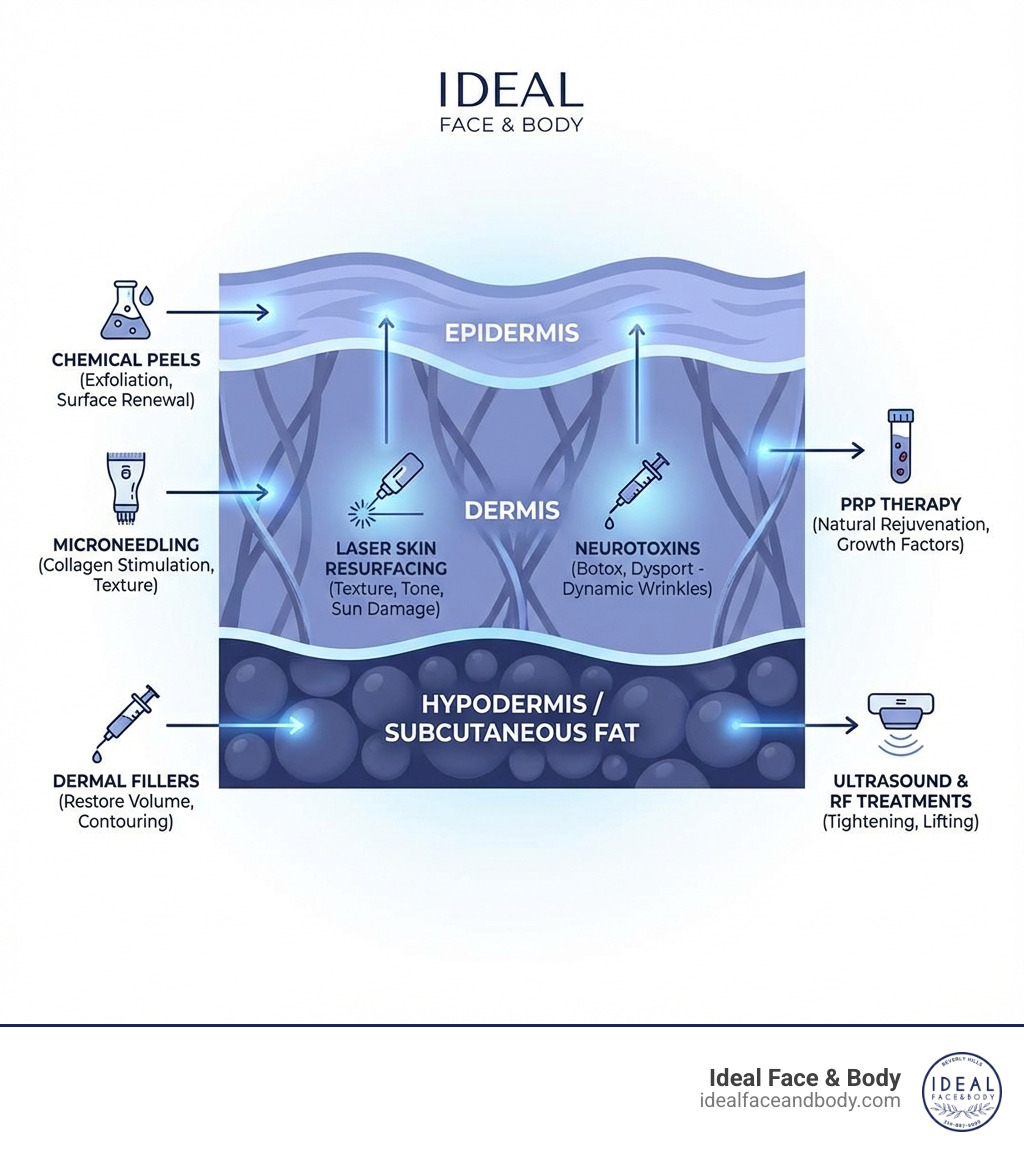
Popular Non-Surgical Face Procedures:
- Neurotoxins (Botox, Dysport) – Smooth dynamic wrinkles like crow’s feet and forehead lines
- Dermal Fillers – Restore volume to cheeks, lips, and under-eye areas
- Laser Skin Resurfacing – Improve skin texture, tone, and reduce sun damage
- Microneedling – Stimulate collagen for smoother, firmer skin
- Chemical Peels – Exfoliate damaged skin layers to reveal fresh, youthful skin
- Ultrasound & RF Treatments – Tighten loose skin without surgery
- PRP Therapy – Use your body’s own growth factors for natural rejuvenation
As we age, our skin shows signs of time. Fine lines appear around the eyes. Volume disappears from the cheeks. The jawline loses definition. But dramatic change doesn’t require dramatic measures anymore.
In 2020, providers performed more than 13 million minimally invasive cosmetic procedures in the U.S. Most of those procedures were for the face. These treatments deliver real results with minimal downtime, making them ideal for busy professionals who want to look refreshed without disrupting their lives.
The technology behind these procedures has advanced significantly. Today’s treatments target specific layers of the skin with precision. They work with your body’s natural processes to stimulate collagen, restore volume, and smooth texture. Results can be immediate or gradual, depending on the treatment. Most require little to no recovery time.
Unlike surgery, non-surgical face procedures are temporary. This means you can adjust your approach as your face changes over time. It also means less risk and lower cost compared to surgical options.
I’m Dr. Sarah Yovino, a double board-certified master injector specializing in non-surgical medical aesthetics at Ideal Face & Body in Beverly Hills. With years of training in advanced non-surgical face procedures, I help patients achieve natural-looking results through precise injection techniques, laser treatments, and comprehensive facial rejuvenation plans. Let me guide you through your options so you can make the best choice for your unique needs.
Basic Non-surgical face procedures terms:
- facial treatments
- skin rejuvenation
- cosmetic treatments
The primary goals of non-surgical facelifts, often referred to as non-surgical face procedures, are to refresh, firm, or plump the skin on your face without the need for large incisions, general anesthesia, or an overnight hospital stay. These procedures aim to address common signs of aging such as wrinkles, fine lines, volume loss, and skin laxity, providing a more youthful and revitalized appearance. The advancements in cosmetic dermatology mean we can now achieve significant improvements with minimal downtime and a temporary, adjustable outcome.
The Power of Injectables: Restoring Volume and Smoothing Lines
Injectable treatments are among the most popular non-surgical face procedures, offering a quick and effective way to restore a youthful facial impression with minimal downtime. These procedures work by either relaxing dynamic muscles that cause wrinkles or by adding volume to areas that have lost their youthful plumpness. As the Cleveland Clinic notes, a non-surgical facelift often uses a combination of minimally invasive techniques to achieve its temporary refreshing, firming, or plumping effects. For more information, you can explore what is a nonsurgical facelift?.
Neurotoxins for Dynamic Wrinkles
Neurotoxins like Botox, Dysport, Xeomin, and Jeuveau are excellent for addressing dynamic wrinkles—those lines that appear with facial expressions. Their mechanism of action involves temporarily relaxing specific facial muscles. When injected into targeted areas, these purified proteins prevent nerve impulses from reaching the muscle, effectively weakening or paralyzing them. This reduction in muscle activity smooths out the overlying skin, diminishing the appearance of wrinkles.
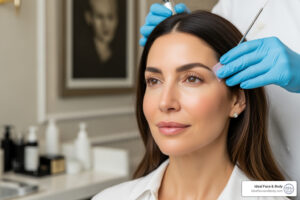
Common target areas include crow’s feet (lines around the eyes), forehead lines (horizontal lines across the forehead), and frown lines (vertical lines between the eyebrows). The procedure is quick and straightforward, typically taking about 15 to 30 minutes, and most patients experience minimal discomfort. Results usually become fully visible within about two weeks and typically last for three to four months. We offer various neurotoxin options to suit your needs, and you can even learn about Baby Botox for a more subtle approach.
Dermal Fillers for Volume and Structure

Dermal fillers are gel-like substances injected beneath the skin to restore lost volume, plump up sagging skin, and soften facial creases. The effects of most FDA-approved dermal fillers are temporary because they are made from materials that the body eventually breaks down and absorbs. The results are often immediate, with treated areas appearing plumper and smoother right away.
The most common types of dermal fillers include:
- Hyaluronic Acid (HA) fillers: These are the most popular, composed of a substance naturally found in the body that helps keep skin hydrated and voluminous. Brands like JUVÉDERM and Restylane fall into this category. They are excellent for enhancing shallow contours, plumping lips (we specialize in painless lip augmentation), and softening facial creases. Explore Hyaluronic Acid Fillers to understand more.
- Calcium Hydroxylapatite (CaHA) fillers: Found naturally in human bones, CaHA is a thicker filler used for deeper lines and volume restoration, often in the cheeks. Radiesse is a well-known CaHA filler.
- Poly-L-Lactic Acid (PLLA) fillers: These stimulate the body’s own collagen production over time, providing gradual and long-lasting results. Sculptra is an example.
Target areas for dermal fillers include the cheeks (to restore youthful contour), lips (for added fullness and definition), and nasolabial folds (lines running from the nose to the corners of the mouth). It’s crucial to follow FDA safety guidelines for dermal fillers and ensure your provider is experienced and uses FDA-approved products. For a deeper dive, check out Your Ultimate Guide to Dermal Fillers.
The ‘Liquid Facelift’ and Advanced Techniques
A “liquid facelift” is a comprehensive approach to facial rejuvenation that combines the power of dermal fillers and neurotoxins. This technique addresses multiple signs of aging simultaneously, restoring volume, smoothing wrinkles, and lifting sagging areas to achieve a more harmonious and youthful appearance. Products like JUVÉDERM, Radiesse, and Restylane are typically used to contour the face to your preference, often in conjunction with neurotoxins like BOTOX or Xeomin for dynamic wrinkles.
Beyond fillers and neurotoxins, other advanced injectable techniques contribute significantly to non-surgical facial rejuvenation:
- PRP (Platelet-Rich Plasma) Therapy: PRP therapy uses your body’s own healing properties. A small sample of your blood is drawn, processed to concentrate the platelets (rich in growth factors), and then reinjected into the face. These growth factors stimulate collagen production and cell regeneration, improving skin tone, texture, and elasticity. PRP can be combined with fillers for improved results.
- Fat Dissolving Injections: For localized fat deposits, such as a double chin, injections like Kybella use deoxycholic acid to break down and absorb fat cells. This offers a non-surgical solution for contouring specific areas. If you’re concerned about a double chin, you can learn about Kybella.
- Non-Surgical Nose Reshaping: Dermal fillers can also be used to subtly reshape the nose, correcting minor bumps or asymmetries without surgery. This can be a great option for those seeking subtle improvements. Find Non-Surgical Nose Reshaping for more details.
These combination therapies allow us to create a customized treatment plan that addresses your unique concerns, providing comprehensive rejuvenation with minimal downtime.
Resurfacing and Rejuvenation: Improving Skin Tone and Texture
Beyond injectables, many non-surgical face procedures focus on improving the skin’s surface, addressing common issues like sun damage, irregular pigmentation, and textural problems. These treatments work to reveal fresher, healthier skin underneath. We offer a range of Skin Rejuvenation treatments to help you achieve a radiant complexion.
Laser Skin Resurfacing

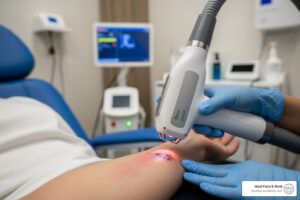
Laser skin resurfacing uses concentrated beams of light to remove damaged outer layers of skin, stimulating the body’s natural healing process and encouraging new collagen production. This controlled injury helps to create a smoother, more youthful appearance. Lasers can be ablative (removing skin layers for dramatic results) or non-ablative (heating the skin to stimulate collagen more gently), and fractional (treating only a fraction of the skin) or non-fractional.
The benefits of laser skin resurfacing include improving the appearance of scars, sun damage, blemishes, discoloration, and wrinkles. While highly effective, limitations can include temporary redness, swelling, and sensitivity, with downtime varying based on the laser intensity. For example, some non-ablative lasers have minimal downtime, while more aggressive ablative lasers may require a longer recovery period. For detailed information, explore Laser Skin Resurfacing and learn about IPL treatments which also use light energy to target pigmentation and redness.
Microneedling and RF Microneedling
Microneedling is a minimally invasive procedure that involves using a device with fine needles to create controlled micro-injuries in the skin. These tiny punctures trigger the body’s natural wound healing response, stimulating the production of collagen and elastin—essential proteins for youthful, firm skin. This collagen induction therapy contributes significantly to facial rejuvenation by improving skin texture, reducing the appearance of fine lines, wrinkles, acne scars, and pore size. You can learn about Microneedling and even Microneedling for Scars.
When microneedling is combined with radiofrequency (RF) energy, it becomes even more powerful. RF microneedling, such as Morpheus8, delivers heat deep into the dermis through the micro-needles. This added energy further tightens existing collagen and stimulates even more new collagen and elastin, resulting in improved skin tightening and overall rejuvenation. Explore Morpheus8 Skin Tightening to see how this advanced treatment can help.
Chemical Peels
Chemical peels involve applying a chemical solution to the skin, which causes controlled exfoliation. The solution removes the outermost layer of damaged skin cells, revealing a fresher, smoother, and more radiant complexion underneath. The type and strength of the chemical solution determine the depth of the peel and the intensity of the results.
Chemical peels can significantly improve skin appearance by treating a variety of concerns:
- Fine lines and wrinkles
- Sun damage and age spots
- Acne and acne scars
- Uneven skin tone and texture
- Pigment issues like melasma
These versatile treatments help to refresh the skin by promoting cell turnover and stimulating collagen production. We offer various Facial Treatments, including different types of chemical peels, to address your specific skin concerns.
Advanced Skin Tightening: The Best Non-Surgical Face Procedures for Laxity
As we age, our skin naturally loses collagen and elastin, leading to sagging skin and loose jowls. Fortunately, advanced non-surgical face procedures now offer effective ways to address skin laxity without surgery, stimulating the body’s natural collagen and elastin production.
Ultrasound-Based Skin Tightening
Ultrasound-based skin tightening, exemplified by treatments like Ultherapy, uses focused ultrasound energy to target deep foundational skin layers. Unlike lasers, which target the skin’s surface, ultrasound energy bypasses the outer layers to deliver precise heat to the deeper tissues where collagen is produced. This thermal energy stimulates the body’s natural healing response, initiating the production of new, fresh collagen.
The result is a gradual lifting and tightening of the skin. Common treatment areas include the brow, neck, and chin, where it can effectively lessen hanging jowls and shrink double chins. Ultherapy is often a single session treatment, with results appearing gradually over two to three months as new collagen is formed, and can last for up to six months or even several years.
Radiofrequency (RF) Treatments
Radiofrequency (RF) treatments use energy to deliver heat into the deeper layers of the skin, causing existing collagen fibers to contract and stimulating the production of new collagen. This bulk heating effect leads to skin tightening and improved elasticity.
Thermage is a well-known RF treatment that uses monopolar radiofrequency technology to heat the deeper, collagen-rich layers of the skin. It’s effective for tightening loose skin on both the face and body. Unlike some other treatments, Thermage often requires only a single session, with results that can last for several years. It’s a versatile option, even used to tighten loose skin around the belly after pregnancy or to improve the appearance of cellulite. We offer advanced Radiofrequency Skin Rejuvenation options, including Venus Legacy Skin Tightening, which uses multi-polar RF and pulsed electromagnetic fields for comprehensive skin tightening and contouring.
When comparing Ultherapy and Thermage, both are excellent for skin tightening, but they use different energy types and target slightly different depths. Ultherapy uses ultrasound to target specific deep structural layers, while Thermage uses RF for broader bulk heating. The choice between them often depends on the specific concerns and skin characteristics of the individual, which we can discuss during your consultation.
Your Journey to Rejuvenation: Candidacy, Recovery, and Results
Understanding if non-surgical face procedures are right for you, what to expect during recovery, and how long the results will last is crucial for your rejuvenation journey. Let’s compare non-surgical and surgical options to clarify their differences.
| Feature | Non-Surgical Facelift | Surgical Facelift |
|---|---|---|
| Invasiveness | Minimally invasive (injections, light, energy) | Invasive (incisions, general anesthesia) |
| Anesthesia | Topical anesthetics, local numbing, no general | General anesthesia |
| Downtime | Minimal to none (hours to a few days) | Significant (weeks) |
| Results | Subtle to noticeable, temporary | Dramatic, longer-lasting |
| Longevity | Months to 1-2 years (varies by procedure) | Approximately 10 years or more |
| Cost | Generally lower per session, but ongoing maintenance | Higher upfront, but less frequent (vague cost) |
Who is an Ideal Candidate for Non-Surgical Face Procedures?
Ideal candidates for non-surgical face procedures typically exhibit mild to moderate signs of aging. These individuals are physically healthy, do not smoke, and possess realistic expectations about the outcomes of these treatments. They are often looking for ways to refresh their appearance without the commitment and downtime associated with surgery, or they may want to delay the need for a surgical facelift. People concerned about sagging skin, loose jowls, eye shadows, sunken cheeks, thin lips, and wrinkles like frown lines or crow’s feet can all benefit. If you’re wondering What is Non-Surgical Facial Rejuvenation?, this is a great starting point.
Who Should Avoid These Treatments?
While generally safe, non-surgical facial procedures are not suitable for everyone. Individuals with severe skin laxity, who might benefit more from a surgical facelift, may find non-surgical options insufficient. Additionally, those with certain medical conditions, active skin infections (such as acne, cold sores, eczema), moles, freckles, skin tags, psoriasis, skin burns, or rashes in the treatment area should typically avoid these procedures. Pregnancy and breastfeeding are also contraindications for many treatments. It’s essential to disclose your full medical history during a consultation to ensure your safety and the effectiveness of the chosen treatment.
Recovery, Risks, and Longevity of Non-Surgical Face Procedures
One of the significant advantages of non-surgical face procedures is the minimal typical recovery time and downtime. For many injectable treatments, you can resume normal activities immediately, with only mild swelling or bruising that typically resolves within a few days. Laser treatments and chemical peels may involve a few days to a week of redness and peeling, depending on their intensity. For procedures like Ultherapy or Thermage, downtime is often minimal to none.
However, like all medical procedures, there are potential risks and side effects. Common temporary side effects include redness, swelling, bruising, and tenderness at the injection or treatment site. More serious, though rare, risks can include infection, allergic reactions, or tissue complications. It’s vital to have these procedures performed by a qualified and experienced provider in a sterile environment to minimize risks.
The longevity of results varies significantly by procedure. Neurotoxin effects typically last 3-4 months. Dermal filler results can last from six months to two years, depending on the type of filler and the area treated. Collagen-stimulating treatments like microneedling, Ultherapy, and Thermage can offer results that last a year or more, but often require maintenance sessions to prolong the benefits. These are temporary solutions, and repeat treatments are necessary to maintain the desired aesthetic.
Frequently Asked Questions about Non-Surgical Facial Rejuvenation
How long do I have to wait to see results?
The time it takes to see results from non-surgical face procedures can vary widely. For dermal fillers, the results are often immediate, with the treated areas appearing plumper and smoother right away. Neurotoxins, on the other hand, typically take a few days to a week for their effects to become fully apparent, as the muscle relaxation needs time to set in. Treatments that stimulate collagen production, such as microneedling, lasers, Ultherapy, or Thermage, yield gradual results that develop over several weeks to months as your body naturally rebuilds collagen. We’ll discuss expected timelines for your specific treatment plan during your consultation.
Can different non-surgical procedures be combined?
Absolutely! Combining different non-surgical face procedures is a cornerstone of comprehensive facial rejuvenation. This approach, often referred to as combination therapy, allows us to address multiple concerns simultaneously for more harmonious and effective results. For example, a “liquid facelift” combines dermal fillers to restore volume with neurotoxins to smooth dynamic wrinkles. We can also integrate treatments like PRP therapy to improve skin quality, or use laser resurfacing alongside injectables. By layering treatments, we can create a customized plan that targets everything from fine lines and volume loss to skin texture and laxity, achieving a more complete and natural-looking change.
Are non-surgical face procedures painful?
Most non-surgical face procedures are designed to be well-tolerated, with minimal discomfort. For injectables, we often use topical anesthetics to numb the treatment area, and many dermal fillers already contain lidocaine (a local anesthetic) to make the injection process more comfortable. Our expertise in techniques like “painless” lip augmentation ensures a more pleasant experience. Procedures like microneedling and some laser treatments can cause a sensation similar to a light pinprick or warmth, but discomfort is usually managed with topical numbing creams. Advanced technologies and skilled providers prioritize your comfort throughout the process.
Conclusion: Accept a Refreshed You in Beverly Hills
The world of non-surgical face procedures has revolutionized how we approach facial rejuvenation. These minimally invasive treatments offer compelling alternatives to surgery, providing effective results with less downtime and reduced risk. Whether your concerns are fine lines, volume loss, skin texture, or laxity, there’s likely a non-surgical solution that can help you achieve a refreshed and more youthful appearance.
The key to navigating these options and choosing the right procedure for your specific concerns lies in a personalized approach. During a consultation, we will discuss your aesthetic goals, assess your facial anatomy, and consider your medical history. This allows us to craft a custom treatment plan that aligns with your desires and ensures the best possible outcomes.
We invite you to explore your options with us. Dr. Sarah Yovino and Dr. Justin Yovino at Ideal Face & Body in Beverly Hills are here to guide you through this exciting journey. We combine expertise, advanced technology, and a warm, personalized approach to help you accept a more confident and radiant you.