Reduce Old Scars: Effective Solutions 2026
Understanding Your Skin’s Story
Reduce old scars effectively with a combination of proven treatments ranging from over-the-counter silicone sheets to advanced medical procedures like laser resurfacing and microneedling.
Quick Answer: Best Ways to Reduce Old Scars
- Silicone sheets or gels – Apply daily for 3-6 months to flatten and soften scars
- Laser resurfacing – Stimulates collagen remodeling for smoother texture (CO2, Er:YAG, fractional)
- Microneedling – Creates micro-injuries to trigger new collagen production
- Chemical peels – Removes outer skin layers to improve texture and tone
- Dermal fillers – Plumps depressed scars for immediate improvement
- Corticosteroid injections – Flattens raised scars and keloids
- Sun protection (SPF 30+) – Prevents darkening and helps scars fade faster
A scar tells a story. Whether it’s a reminder of childhood chickenpox, a surgical procedure, or an old injury, that permanent patch of skin forms when your body heals itself after damage. When the dermis—your skin’s deeper layer—is injured, your body creates new tissue made mostly of collagen to seal the wound and protect against infection.
But not all scars are created equal. Some fade to faint lines that barely show. Others remain raised, indented, or discolored for years. The appearance depends on factors like the wound’s size and depth, its location on your body, how well you cared for it while healing, and even your age and genetics.
The challenge with old scars is simple: they’re harder to treat than fresh ones. Scars remodel for up to one year after the initial trauma, but older scars have already settled into their final form. The good news? While no treatment can completely erase a scar, modern medical and cosmetic approaches can significantly improve their appearance—even years after they formed.
As Dr. Sarah Yovino, a double board-certified specialist in non-surgical medical aesthetics at Ideal Face & Body in Beverly Hills, I’ve helped countless patients reduce old scars using advanced laser treatments, microneedling, and other proven techniques. My approach combines cutting-edge technology with personalized care to help you achieve smoother, more confident skin.
Must-know reduce old scars terms:
Understanding Scar Types and Formation
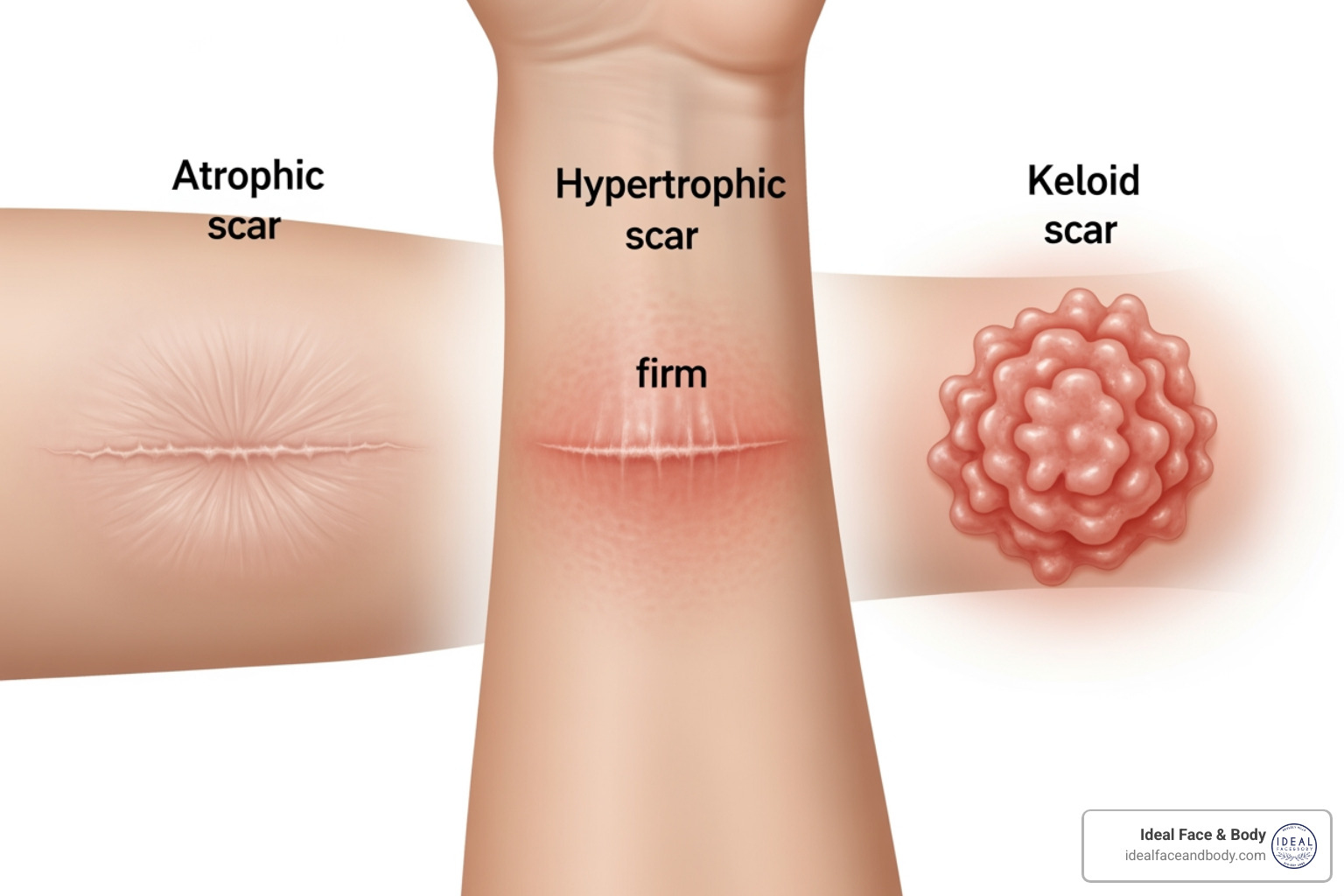
Scars are a natural, inevitable part of our skin’s incredible ability to heal itself. When our skin sustains an injury that goes deeper than the outermost layer (epidermis) into the dermis, our body initiates a complex repair process. This process involves the production of new tissue, primarily composed of collagen, to close the wound and restore the skin’s protective barrier. However, this new tissue often differs in appearance and texture from the surrounding uninjured skin, resulting in a scar.
How and Why Scars Form
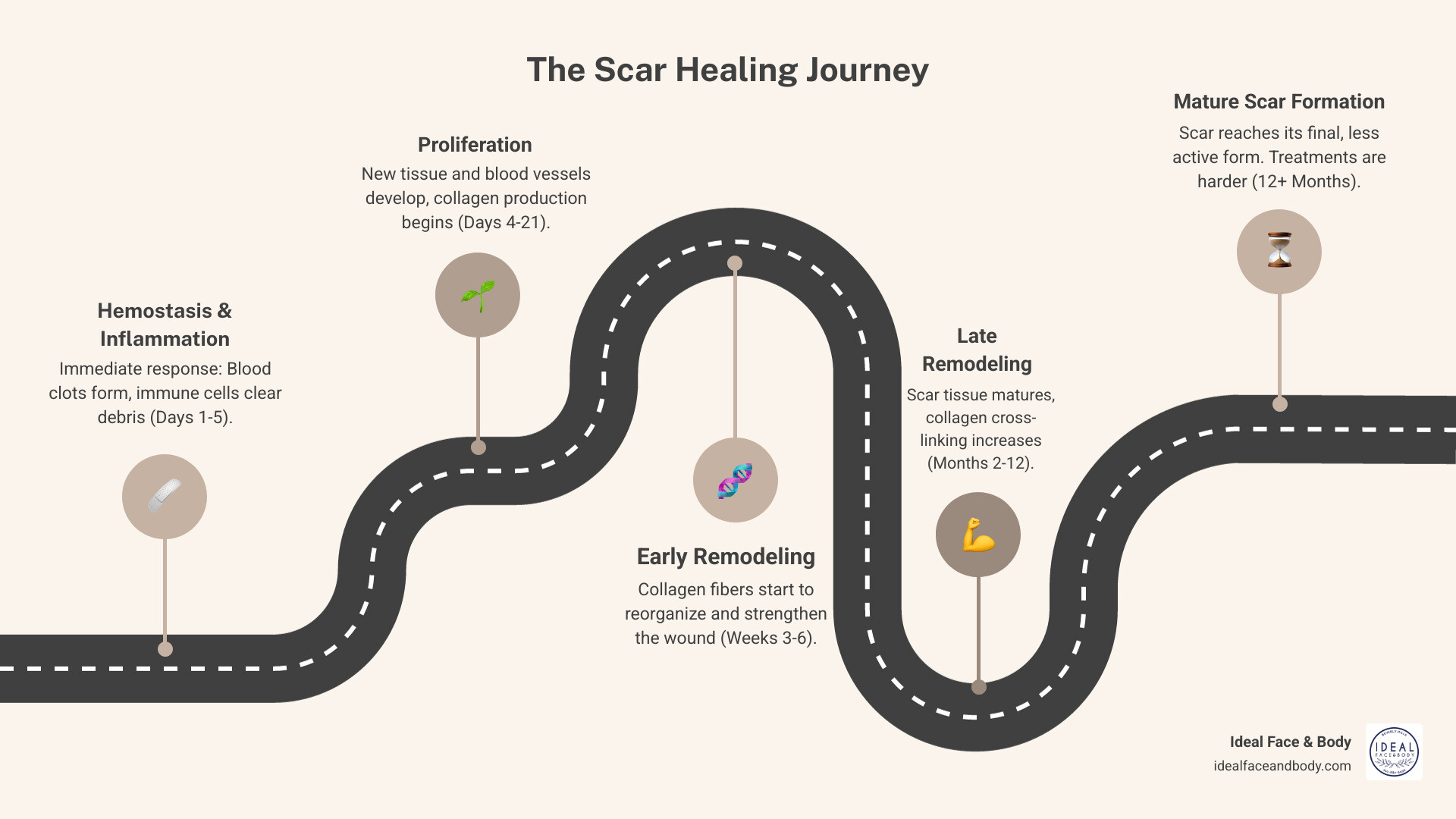
The formation of a scar is a fascinating biological response. It’s our body’s emergency repair system kicking into high gear. When a wound occurs, a cascade of events unfolds:
- Inflammation: Immediately after injury, blood vessels constrict, and platelets form a clot to stop bleeding. Inflammatory cells then rush to the site to clean the wound and fight infection.
- Proliferation: New tissue starts to form. Fibroblasts, specialized cells, produce collagen, a protein that provides strength and structure to the skin. New blood vessels also develop. In this stage, the collagen fibers are often laid down in a disorganized, haphazard manner.
- Remodeling: This is the longest phase, lasting from several months to over a year. During remodeling, the newly formed collagen fibers are reorganized and strengthened, and excess collagen may be broken down. This process determines the final appearance of the scar.
The quality of this healing process, and thus the final appearance of the scar, is influenced by numerous factors. These include the depth and size of the wound, its location on the body (areas with more movement tend to heal less well), how well the wound was cared for, and individual biological factors. Our age, genetics, and even ethnicity can play a significant role. For instance, some individuals are genetically predisposed to developing more noticeable scars.
The Main Categories of Scars
While all scars represent healed skin, they manifest in different forms. Understanding these types is crucial because each responds differently to treatment.
- Atrophic Scars: These scars appear as depressions or indentations in the skin, often giving a sunken or pitted appearance. They form when the body produces too little collagen during the healing process, leading to a loss of tissue. Common culprits include severe acne (such as ice pick, boxcar, and rolling scars) and chickenpox. If you’re dealing with these types of marks, you can find more info about atrophic acne scars here.
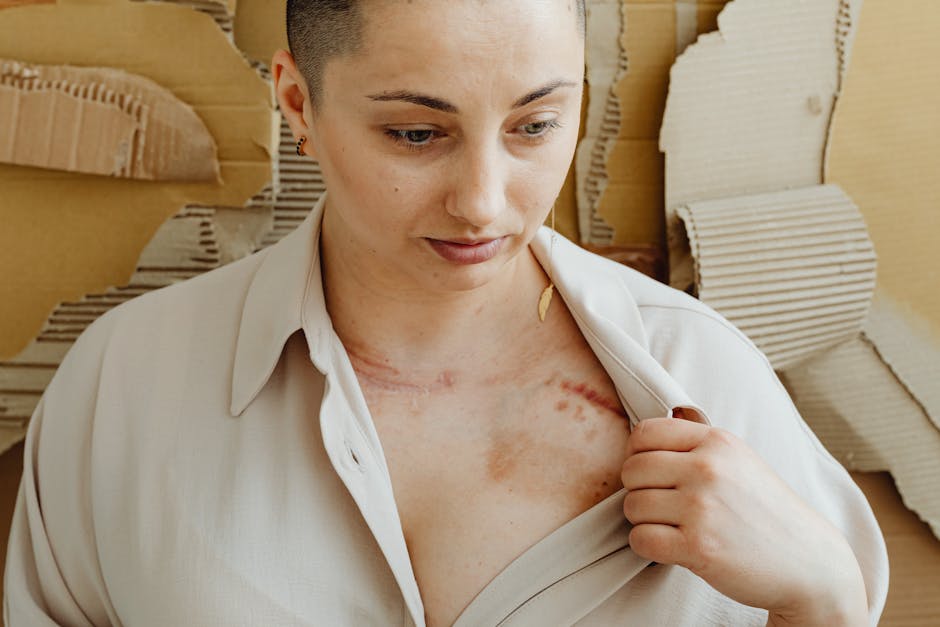
- Hypertrophic Scars: These are raised, red, and firm scars that remain within the boundaries of the original wound. They occur when the body produces too much collagen during healing. While they are raised, they often improve and flatten over time, though they may not disappear completely.
- Keloid Scars: Similar to hypertrophic scars in their raised and firm nature, keloids are distinct because they grow aggressively beyond the borders of the original injury. They are often smooth, hard, and can be red, pink, or flesh-toned. Keloids can continue to grow for years and often do not flatten or fade without treatment. They can also be uncomfortable, itchy, or restrict movement if large. Keloids are notoriously challenging to treat and have a high recurrence rate.
- Contracture Scars: These scars typically result from burns. They cause the skin to tighten, which can restrict movement of the affected area, especially if they occur over a joint. If the scar is deep, it can also impact muscles and nerves underneath, leading to pain and functional impairment.
Understanding which type of scar you have is the first step toward finding the most effective treatment.
At-Home and Over-the-Counter Solutions
When it comes to managing scars, particularly older ones, many people first turn to at-home remedies and over-the-counter (OTC) products. While these options are generally less invasive and more accessible, their effectiveness can vary greatly depending on the scar type and individual factors.
Effective OTC Options to Help Reduce Old Scars
We’ve found that some OTC products offer a good starting point for individuals looking to reduce old scars at home, especially for milder cases or as an adjunct to professional treatments.
- Silicone Gels and Sheets: These are widely considered the gold standard among non-prescription scar treatments and are backed by the best evidence. Silicone works by creating a moist environment over the scar, which helps to hydrate the skin and regulate collagen production. The gentle pressure from silicone sheets can also help to flatten and soften raised scars. We recommend applying silicone sheets or gels daily for extended periods—typically 12-24 hours a day for 3-6 months. For new scars, consistent use for 8 weeks is often recommended, while older scars may require up to 6 months of continuous application. Studies support the efficacy of silicone in improving scar appearance, softening the skin, and flattening scars, as detailed in scientific research on silicone gel efficacy. Brands like Kelo-Cote and ScarAway are popular choices.
- Onion Extract Products: Some OTC scar treatments contain onion extract (Cepalin botanical extract). While widely available, research supporting the strong efficacy of onion extract for scar prevention and treatment is mixed. Some studies suggest it may have anti-inflammatory properties that could aid healing, but its direct impact on significantly reducing established scars is less clear compared to silicone. If you choose to use these, consistency is key, often requiring application multiple times a day for weeks or months.
- Sun Protection: This is a critical,, step in scar management. Protecting scars from the sun is vital to prevent hyperpigmentation (darkening) and help them fade more effectively. Applying a broad-spectrum sunscreen with an SPF of 30 or higher to healed scars, especially when clothing won’t cover them, is essential. Sun exposure can make scars more noticeable and prolong discoloration.
It takes several weeks or even months of continuous treatment for scars to show improvement in appearance and texture using OTC treatments. Patience and consistency are your allies!
Evaluating Natural Home Remedies
Many natural remedies are touted for their scar-reducing properties, but the scientific evidence for their effectiveness often varies. We always recommend a cautious approach and consulting with a professional before trying new remedies, especially if you have sensitive skin.
- Aloe Vera: This plant is well-known for its soothing and healing properties. A 2019 review on aloe vera concluded that it might improve wound healing and help with scars when used alongside other methods. While it can be moisturizing and anti-inflammatory, its direct impact on significantly reducing established scars is not definitively proven.
- Vitamin E: Often recommended for scars, the evidence for topical vitamin E is largely inconclusive. A 2016 review of studies found insufficient evidence to support its widespread use for scars and noted it could even cause contact dermatitis (a skin reaction) in some individuals.
- Honey: With its anti-inflammatory and antibacterial properties, honey is excellent for wound healing. However, a 2016 study examining manuka honey’s impact on scars found that while beneficial for wounds, it didn’t improve scar appearance when applied topically.
- Coconut Oil: A 2018 review noted that coconut oil is effective at promoting wound healing by encouraging collagen synthesis, reducing inflammation, and repairing the skin barrier. While it aids in healthy skin, clear evidence for its ability to significantly reduce old scars is limited.
- Rosehip Oil: Some studies, including a 2019 study, suggest that rosehip oil may promote wound healing and effectively improve scars. It contains beneficial fatty acids and vitamins that can support skin regeneration.
- Other Remedies (Lavender Oil, Lemon, Potato): While some studies suggest lavender oil may aid wound healing (2020 review), direct evidence for scar treatment is lacking. Lemon juice is often suggested for lightening, but there’s no solid medical evidence for its efficacy on scars, and citrus products can cause photosensitivity, making your skin more susceptible to sun damage. Limited medical evidence supports potatoes for scars, though potato peel was found to help minor burns in a 2017 study.
Patch Testing and Cautious Approach: Before applying any natural remedy or new product to a scar, especially if you have sensitive skin, we strongly recommend performing a patch test on a small, inconspicuous area of skin. This helps to identify any potential irritation or allergic reactions. If any topical remedy causes irritation, discontinue use immediately.
Advanced Medical Treatments to Reduce Old Scars
When at-home solutions don’t provide the desired improvement, or for more prominent or complex scars, advanced medical treatments offered by specialists like us at Ideal Face & Body in Beverly Hills can make a significant difference. These procedures often work by stimulating the skin’s natural healing processes, encouraging collagen remodeling, and improving skin texture and tone.
Resurfacing and Remodeling Treatments
These treatments focus on improving the surface texture and overall appearance of the scar by promoting cell turnover and collagen production.
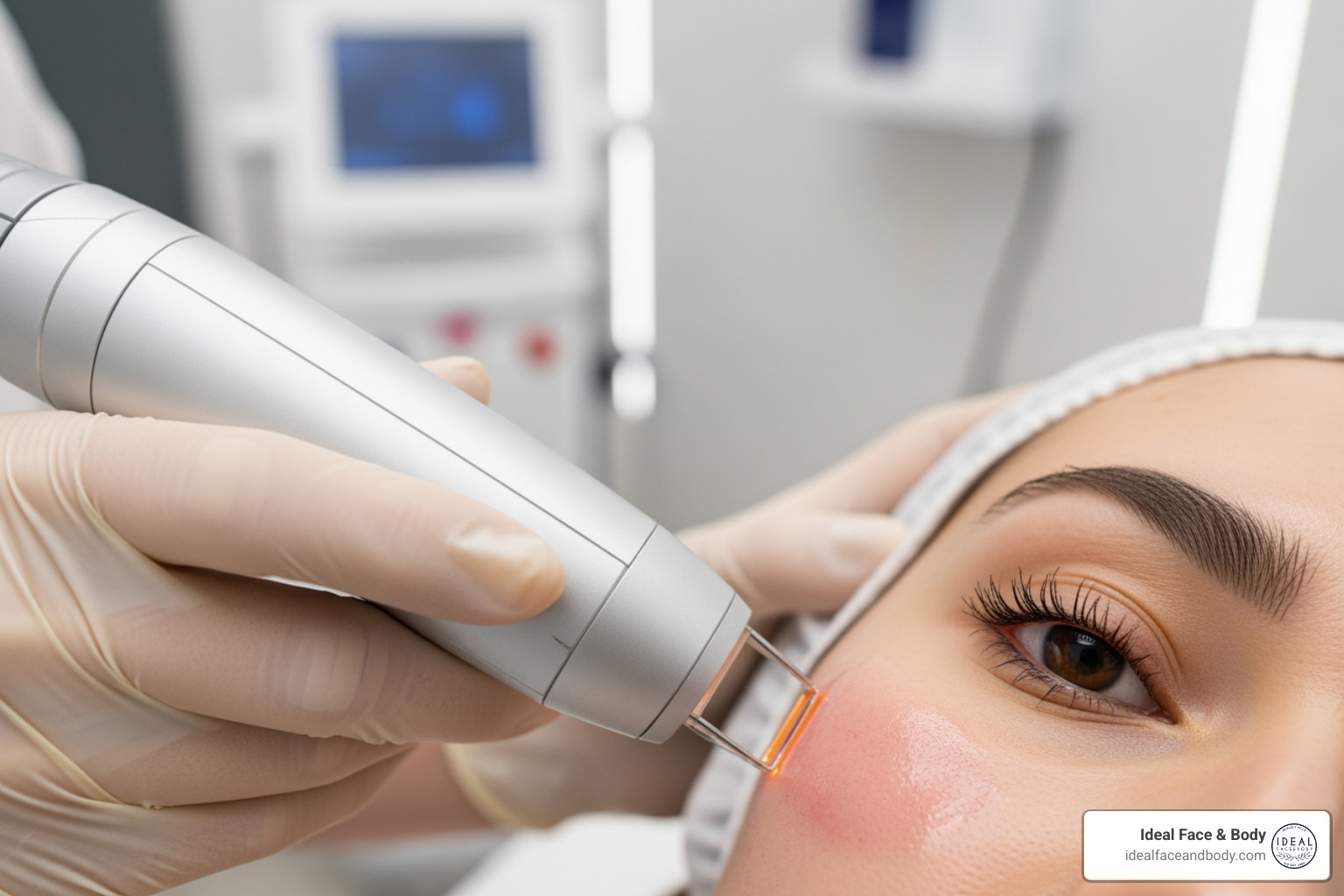
- Laser Skin Resurfacing: Lasers are incredibly versatile tools for scar revision. They work by using concentrated light energy to either remove damaged outer layers of skin (ablative lasers) or stimulate collagen production in the deeper layers without removing the surface (non-ablative lasers). Fractional lasers, in particular, create microscopic treatment zones, allowing for faster healing and reduced downtime. They can effectively improve the texture, color, and pliability of various scar types, including atrophic acne scars, hypertrophic scars, and even burn scars. We use state-of-the-art laser technology in Beverly Hills to precisely target scar tissue and promote healthy skin regeneration. You can learn more about our Laser Skin Resurfacing options.
- Chemical Peels: Chemical peels involve applying a chemical solution to the skin to exfoliate the outer layers and stimulate cell turnover. This process can improve the appearance of superficial scars, discoloration, and overall skin texture. Different strengths of peels are available, from superficial to deep, with stronger peels offering more dramatic results but requiring longer recovery times. For scars with discoloration, chemical peels can progressively lighten them.
- Radiofrequency (RF) Treatments: Technologies like Morpheus8 combine microneedling with radiofrequency energy. This treatment delivers controlled heat into the deeper layers of the skin, stimulating collagen and elastin production and remodeling scar tissue. Morpheus8 is particularly effective for improving skin texture, tightening, and reducing the appearance of various types of scars, including acne scars. It’s a fantastic option for comprehensive skin rejuvenation. Find more info about Morpheus8 and how it can help you.
How Microneedling Can Help Reduce Old Scars
Microneedling, also known as collagen induction therapy, is a minimally invasive procedure that can be highly effective for many types of scars, especially atrophic and rolling scars.
- Collagen Induction Therapy: During microneedling, a device with fine needles creates controlled micro-injuries in the skin. These tiny punctures trigger the body’s natural wound healing response, leading to the production of new collagen and elastin. This new collagen helps to fill in depressed scars, smooth out rough textures, and improve the overall appearance of the skin. It’s a powerful way to refresh scarred tissue. Explore more info about Microneedling for Scars and how it can revitalize your skin.
- PRP Facial: To improve the results of microneedling, we often combine it with a PRP Facial. Platelet-Rich Plasma (PRP) is derived from your own blood and contains a high concentration of growth factors. When applied to the skin during or after microneedling, these growth factors penetrate deeply, accelerating healing, boosting collagen production, and further improving scar reduction. This combination therapy offers a synergistic effect for optimal outcomes. Learn more info about PRP Facial and its benefits.
Injections and Other Specialized Procedures
For specific types of scars, injectable treatments and surgical techniques can provide targeted and effective solutions.
- Corticosteroid Injections: For raised scars like hypertrophic scars and keloids, corticosteroid injections can be very effective. These injections are administered directly into the scar tissue to reduce inflammation, flatten the scar, and alleviate symptoms like itching and pain. Multiple sessions may be required, and they can reduce scar size by 50% or more.
- Dermal Fillers: Atrophic (depressed) scars, particularly those from acne, can be significantly improved with dermal fillers. Fillers, often made of hyaluronic acid, are injected beneath the scar to plump up the indentation, making the skin surface appear smoother and more even. This offers an immediate improvement for pitted scars.
- Subcision: This procedure is particularly useful for deeply indented, “tethered” scars, often seen with rolling acne scars. During subcision, a needle is inserted under the skin to break up the fibrous bands that pull the scar down, allowing the skin to rise and smooth out. This technique can be combined with other treatments like fillers or microneedling for improved results.
For more comprehensive information on surgical and non-surgical approaches, including these specialized procedures, you can find more info about Scar Revision Procedures. Our team in Beverly Hills is dedicated to providing personalized solutions to help you achieve your aesthetic goals.
Frequently Asked Questions about Scar Reduction
We understand that dealing with scars can be frustrating, and many questions arise when considering treatment options. Here, we address some of the most common inquiries we receive at Ideal Face & Body.
Can old scars be completely removed?
This is perhaps the most common question we hear, and it’s important to set realistic expectations. While we can significantly improve the appearance of scars, both old and new, no treatment can completely erase a scar. A scar is a permanent change to the skin’s structure. However, our advanced treatments can make scars much less noticeable, blending them more effectively with the surrounding skin in terms of texture, color, and elevation. The goal is always to achieve the smoothest, most aesthetically pleasing outcome possible, giving you renewed confidence in your skin.
How long does it take for scar treatments to work?
The timeline for seeing results from scar treatments varies widely depending on several factors:
- Type of Scar: Different scars respond at different rates. For instance, discoloration might fade faster than significant textural changes in an atrophic scar.
- Treatment Method: Over-the-counter treatments, like silicone gels, typically require several weeks or even months of continuous application to show improvement. For example, Mederma products recommend up to 6 months for old scars. Professional treatments, such as laser resurfacing or microneedling, may show initial results after a few weeks, with continued improvement over several months as collagen remodels.
- Age of the Scar: As we’ve mentioned, the older the scar, the harder it is to treat, and it may take longer to see significant changes. Scars remodel for up to one year after trauma, so treating them within this window can sometimes yield faster results.
- Consistency: Adhering to the recommended treatment schedule, whether it’s daily application of a topical product or attending regular professional sessions, is crucial for optimal outcomes.
Patience is a virtue in scar treatment. While some treatments offer quicker results, the most significant improvements often unfold over several months as the skin naturally regenerates and remodels.
When should I see a professional for my scar?
While at-home remedies and OTC products can be a good first step, there are several indicators that it’s time to consult with a dermatologist or aesthetic specialist like Dr. Sarah Yovino or Dr. Justin Yovino at Ideal Face & Body:
- Lack of Improvement with OTC Treatments: If you’ve consistently used over-the-counter products for several months and haven’t seen the desired improvement, it’s a sign that a professional approach may be needed.
- Raised or Keloid Scars: These types of scars, particularly keloids, are challenging to manage at home and often require medical intervention such as corticosteroid injections or laser therapy to flatten them and reduce symptoms.
- Depressed (Atrophic) Scars: Pitted scars from acne or chickenpox often require professional treatments like microneedling, laser resurfacing, or dermal fillers to effectively raise the skin and smooth the texture.
- Scars Affecting Movement: If a scar, especially a contracture scar from a burn, restricts your movement or causes discomfort, a medical evaluation is essential to discuss options like scar revision procedures.
- Significant Cosmetic Concerns: If the appearance of your scar causes you significant distress or impacts your self-confidence, seeking professional guidance can provide access to advanced treatments that can dramatically improve its look.
- Unusual Scar Characteristics: Any scar that appears without a known injury, changes rapidly in size, shape, or color, or causes persistent pain or itching, should be evaluated by a dermatologist to rule out other skin conditions.
Consulting with an expert ensures an accurate diagnosis of your scar type and a personalized treatment plan custom to your specific needs and goals.
Your Path to Smoother Skin
Navigating scar treatments can feel overwhelming, but we hope this guide has illuminated the many effective options available to reduce old scars and improve your skin’s appearance. The journey to smoother, more confident skin is a personal one, and it’s filled with hope for improvement.
Taking the Next Step
The key takeaways are clear: understanding your scar type, choosing the right treatment (or combination of treatments), and maintaining realistic expectations are paramount. Whether you’re considering advanced laser treatments, microneedling, or a combination of therapies, consulting with a specialist is the most crucial step.
At Ideal Face & Body in Beverly Hills, we pride ourselves on our expertise and personalized approach to scar revision. Dr. Sarah Yovino and Dr. Justin Yovino are dedicated to helping you achieve your aesthetic goals through comprehensive consultations and cutting-edge procedures. We’ll work with you to create a personalized treatment plan that addresses your unique scar concerns, guiding you toward achieving smoother skin and renewed confidence.
Ready to begin your journey to smoother skin? Learn more about our microneedling for scar treatment options or contact us today for a consultation.