Gynecomastia surgery is typically not severely painful. Most patients describe mild-to-moderate soreness, tightness, or a deep ache, and comparative data report pain scores of 2.6 versus 3.8 at six hours and 2.1 versus 3.3 at 12 hours with local versus general anesthesia.
That answer challenges the most common advice online, which often reduces the experience to “you'll be sore.” Soreness is real, but how the operation is anesthetized can materially change what recovery feels like. The chest may feel tight as swelling develops, bruising can make movement uncomfortable, and the first day is usually the most noticeable. But the operation itself shouldn't hurt, and the discomfort generally follows a short, downward course rather than becoming progressively worse.
Table of Contents
- The Honest Answer About Gynecomastia Surgery Pain
- How Anesthesia Choice Changes Your Pain Experience
- What to Expect During Each Recovery Phase
- Proven Strategies to Minimize Postoperative Discomfort
- The Awake Surgery Approach to Male Chest Contouring
- Common Myths About Gynecomastia Surgery Pain
- How to Prepare for a Comfortable Recovery
The Honest Answer About Gynecomastia Surgery Pain
Gynecomastia surgery is usually uncomfortable rather than excruciating. Once anesthesia wears off, patients commonly notice tenderness, pressure, bruising, and a deep ache across the chest. The sensation can resemble intense muscle soreness after exercise, especially when the procedure includes substantial liposuction. An authoritative aftercare guide notes that many patients need only extra-strength acetaminophen, although heavier liposuction may feel more like a strenuous workout (The Aesthetic Society's recovery guidance).
The operation itself is performed with anesthesia, so you shouldn't feel the cutting, liposuction, or glandular excision while it's happening. The more relevant question is what you'll feel afterward, when numbness fades and the tissues begin to swell. Cleveland Clinic describes gynecomastia surgery as an outpatient procedure in which mild-to-moderate soreness and tenderness are common during the first few days, with discomfort generally improving within about a week (Cleveland Clinic).
The variable most patients aren't told about
The anesthetic technique deserves more attention than it usually gets. In a prospective comparison, the local-anesthesia group had lower pain scores at six, 12, and 24 hours than the general-anesthesia group. Patients also walked sooner, with ambulation at 2.4 ± 0.6 hours versus 4.9 ± 1.1 hours, respectively (prospective anesthesia comparison).
That finding may seem counterintuitive. Many patients assume that being fully asleep must produce the easiest recovery. General anesthesia prevents pain during surgery, but it doesn't automatically provide lasting numbness after you wake. Local and tumescent techniques can continue to blunt sensation in the chest during the period when postoperative discomfort is most front-loaded.
Practical rule: Ask not only whether you'll be asleep. Ask what will still be numbing your chest when you leave.
Pain also depends on the amount of liposuction, whether dense glandular tissue must be excised, the extent of skin work, and whether drains are used. No surgeon can promise a completely sensation-free recovery, but a carefully designed anesthetic plan can make the difference between manageable soreness and a more demanding first day.
How Anesthesia Choice Changes Your Pain Experience
The biggest variable in postoperative discomfort may be decided before surgery begins. General anesthesia removes awareness during surgery, while local tumescent anesthesia numbs the chest directly and can continue reducing sensation after the procedure.
Tumescent anesthesia uses a large volume of dilute local anesthetic, commonly combined with epinephrine, infiltrated into the treatment area. The fluid spreads through fatty and glandular tissue, firms the operative field, and reduces sensation where the surgeon is working. In a PubMed-indexed study, patients reported no pain or discomfort during infiltration or surgery. The study used an average of 300 mL per breast, with no conversion to general anesthesia and no lidocaine or adrenaline toxicity (tumescent anesthesia study).
The practical difference appears after the operation. General anesthesia prevents pain while you are asleep, but it does not itself leave the chest numb when you wake. Local and tumescent techniques can continue to blunt sensation during the early period when soreness is usually most noticeable.
Side-by-side pain expectations
| Metric | Local Tumescent Anesthesia | General Anesthesia |
|---|---|---|
| Sensation during surgery | Adequate infiltration can make the procedure close to pain-free | No awareness or pain during the operation |
| Early postoperative pain | Residual local anesthetic may reduce early soreness | Pain control depends on additional medication and blocks |
| Residual numbing | Local anesthetic may continue reducing sensation after surgery | General anesthesia itself does not numb the chest wall afterward |
| Recovery experience | You may leave alert and use oral medication as directed | Grogginess, nausea, or disorientation may add to early discomfort |
| Main trade-off | Requires comfort with being awake or lightly sedated | Includes the risks and recovery effects associated with general anesthesia |
Being awake does not mean watching the operation or feeling every maneuver. Oral sedation, clear communication, and thorough local numbing can keep the experience comfortable for appropriate patients. Pressure, movement, and pulling are possible. Sharp pain should prompt immediate communication so the team can pause and add anesthetic.
The choice also depends on the planned work. Liposuction volume, dense glandular excision, skin removal, and drain placement can all change the recovery experience. No anesthetic plan guarantees a sensation-free recovery, but the technique can materially affect how intense the first hours feel.
Regional nerve blocks may supplement either approach by targeting the nerves that carry sensation from the chest. Discuss the expected coverage with a qualified clinician, or find a nerve block specialist before making a decision. Patients considering an awake procedure can also review plastic surgery under local anesthesia before consultation.
What to Expect During Each Recovery Phase
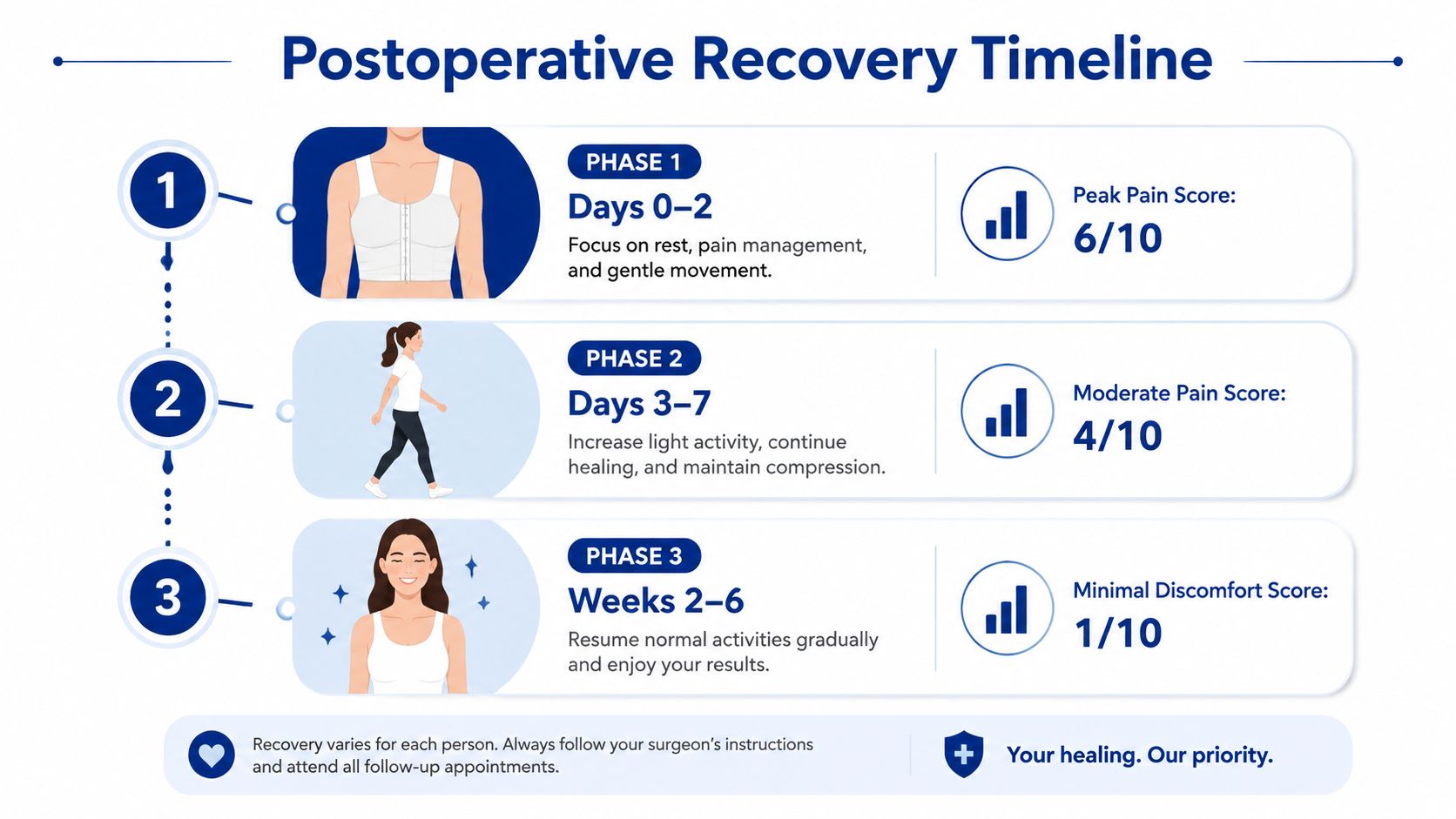
Pain after gynecomastia surgery should decline, not steadily intensify. The first hours usually bring the most pressure and soreness. As swelling settles and the tissues stop reacting, tightness and tenderness become easier to control. The anesthetic method and surgical extent can shift that pattern, so recovery is not identical for every patient.
Phase 1, days 0 to 2
During the first 48 hours, expect pressure, soreness, and limited upper-body movement. Some patients notice a dull ache as numbing medication fades. Others feel tightness more than pain. Research shows that postoperative pain is measurable but usually short-lived, with differences appearing during the first postoperative day according to the anesthetic and block technique (gynecomastia analgesia research).
Use acetaminophen, an anti-inflammatory medication when medically appropriate, or a limited rescue prescription only according to your surgeon's plan. Do not add, stop, or combine medications without confirmation, especially with kidney disease, stomach problems, bleeding concerns, or medication allergies. A compression garment limits movement, supports healing tissues, and controls swelling, although it may feel snug at first.
Phase 2, days 3 to 7
By the middle of the first week, the sharpest discomfort should usually have passed. Bruising, swelling, and stiffness may persist, while walking and basic daily activity often become easier. Clinical recovery guidance describes the strongest discomfort during the first two to three days, with discomfort generally improving within about a week (The Aesthetic Society).
Resume light activity only when your surgeon permits it. Chest workouts, heavy lifting, pushing, and pulling should wait. Continue the garment as directed because it limits tissue motion while the operated layers seal and swelling resolves. Help with meals, mobility, and household tasks can reduce strain during these early days. Arrange dependable post operative home support if those tasks are difficult.
Phase 3, weeks 2 to 6
Later recovery usually involves intermittent tightness, brief twinges, residual swelling, or altered sensation rather than constant pain. Compression garments are commonly worn for four to six weeks to support healing and reduce swelling (recovery guidance on local anesthesia and compression). Activity progression remains individualized. Light movement may return before strenuous exercise, which often needs more healing time.
See this guide to gynecomastia surgery recovery for further discussion of garment use, movement, and swelling. Increasing pain after initial improvement, rapidly enlarging one-sided swelling, fever, drainage, or shortness of breath is not routine soreness. Contact your surgeon promptly if any of these symptoms develops.
Proven Strategies to Minimize Postoperative Discomfort
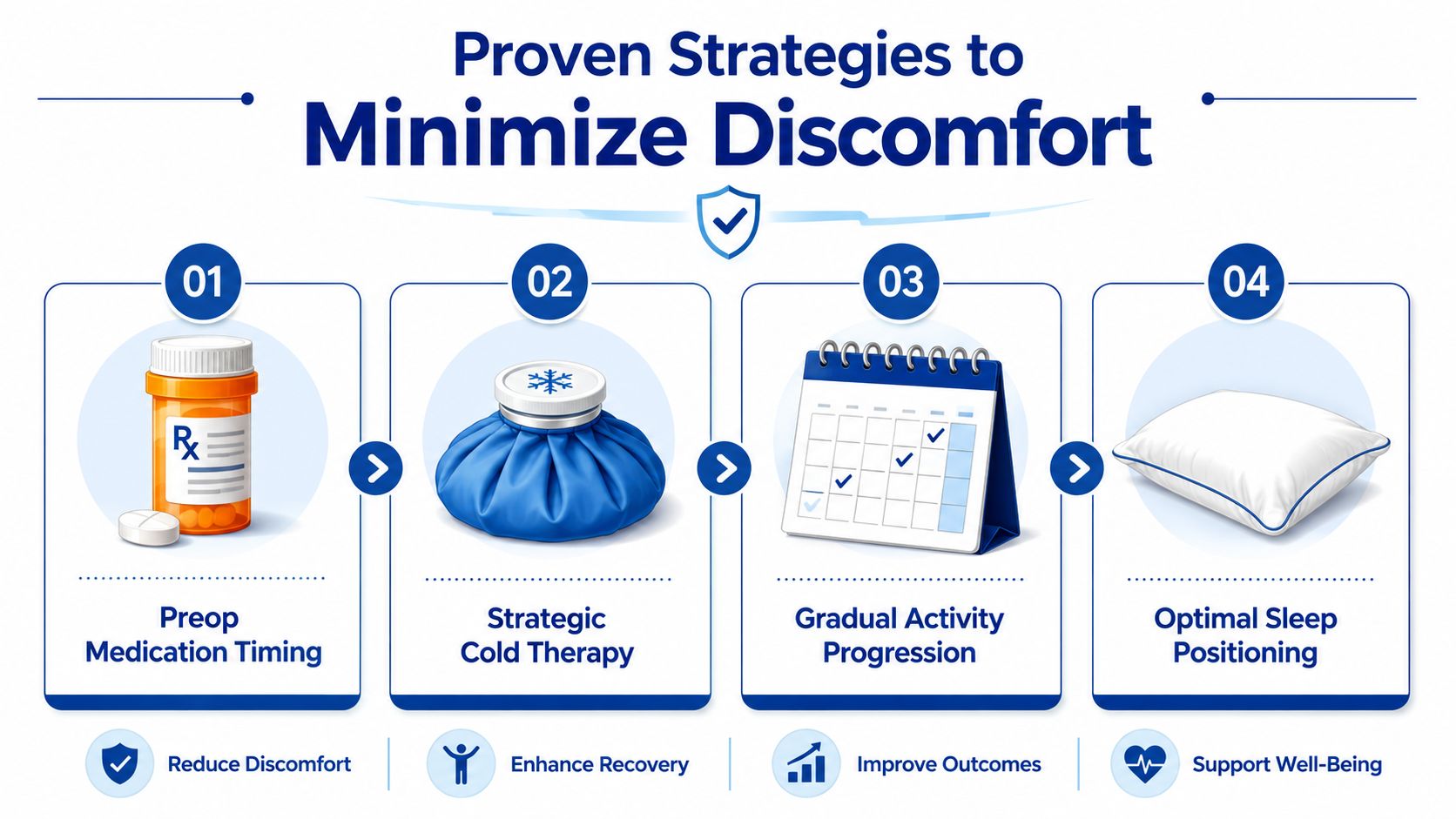
Comfort starts with planning, not with the first pain tablet. The most effective approach combines local numbing, sensible medication use, compression, protected movement, and clear instructions from your surgical team.
Clarify the anesthetic plan before surgery. Ask whether the surgeon will use tumescent infiltration, a regional block, or a long-acting local anesthetic. Research on PECS nerve blocks found lower pain scores and lower 24-hour tramadol use with PECS II compared with PECS I. Another comparison reported 6.09 mg versus 14.26 mg of 24-hour morphine consumption and analgesic duration of 6.57 versus 4.91 hours for different chest-wall block strategies (regional anesthesia study).
Use medication as directed. Scheduled non-opioid medication can prevent discomfort from building, while stronger medication, when prescribed, should generally be reserved for breakthrough pain. Anti-inflammatory drugs aren't appropriate for everyone, so follow the surgeon's specific instructions rather than borrowing someone else's protocol.
Treat the garment as part of pain control. Compression reduces movement and helps manage swelling. It shouldn't cause severe pressure, skin discoloration, numbness that worsens, or breathing difficulty. Report those problems instead of just tightening or layering garments.
Protect the chest while staying gently mobile. Short walks can support circulation, but strenuous exercise and chest loading can increase discomfort and swelling. Cold therapy may help when approved, but place a protective layer between the cold source and skin, especially while sensation is reduced.
Sleep with the upper body supported. Back sleeping with pillows can reduce accidental pressure on the chest and make rising easier. Keep essentials within reach so you aren't repeatedly stretching, pushing, or twisting.
For broader postoperative medication and mobility principles, consult this pain management guide from MedAmerica Rehab Center. The right protocol depends on your medical history, the tissue removed, and the anesthetic plan, so generic schedules shouldn't replace direct surgical instructions.
The Awake Surgery Approach to Male Chest Contouring
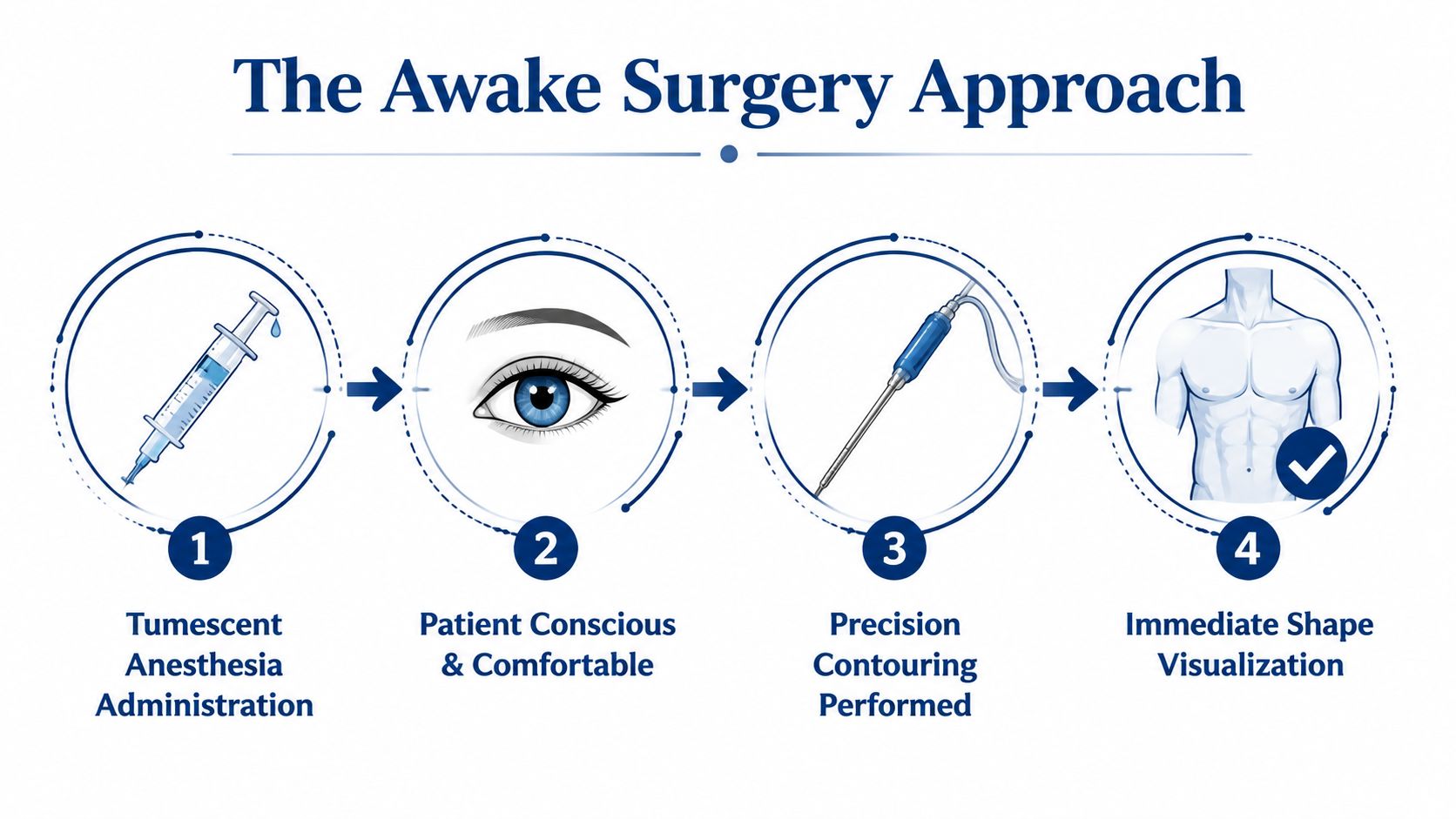
Awake gynecomastia surgery can feel less painful afterward than patients expect, because the anesthetic plan affects recovery, not only the operation itself. After marking the chest, the surgeon injects local anesthetic and, when appropriate, performs targeted nerve blocks. Tumescent fluid spreads through the treatment area, numbing and firming the tissue before liposuction or glandular excision.
You remain conscious, but that does not mean you should feel sharp pain. Expected sensations include pressure, movement, pulling, or vibration. If discomfort appears, you can report it immediately. The team can pause, add anesthetic, or change the sequence while you are awake, rather than waiting until the procedure has ended.
What the patient experiences
The procedure usually follows a controlled sequence:
- Numbing first: The surgeon confirms that the local anesthetic is working before treatment begins.
- Contour refinement next: Liposuction reduces fatty fullness, while excision removes dense glandular tissue that liposuction may leave behind.
- Communication throughout: You can describe pressure or discomfort, allowing the team to respond during surgery.
- Recovery without a general-anesthesia wake-up: Patients may leave alert and able to follow oral medication and garment instructions.
Awake surgery does not remove every postoperative sensation. Its practical advantage is direct anesthetic coverage of the chest wall, without the grogginess or nausea that some patients experience after general anesthesia. The trade-off is that you must remain still and communicate clearly, and local anesthesia may not suit extensive treatment or every medical history.
Ideal Face & Body describes an office-based awake model for male chest correction using local anesthesia with optional oral sedation. Patients considering gynecomastia surgery in Los Angeles can ask whether their anatomy calls for liposuction, excision, or both, and whether an awake approach is appropriate.
Common Myths About Gynecomastia Surgery Pain
| Myth | Clinical Reality |
|---|---|
| The operation is excruciating | Most guidance describes soreness, tightness, tenderness, or a deep ache rather than severe pain. |
| General anesthesia eliminates postoperative pain | It prevents pain during surgery, but local techniques may provide better residual chest-wall analgesia afterward. |
| Pain medication is needed for weeks | Discomfort generally improves over days, and many patients need only extra-strength acetaminophen according to aftercare guidance (The Aesthetic Society). |
| More tissue automatically means proportionally more pain | Pain depends on technique, tissue handling, anesthetic coverage, swelling, and individual sensitivity, not a simple tissue-volume formula. |
| Long-term pain is an expected result | Persistent or worsening pain isn't the usual recovery pattern and should be assessed by the operating surgeon. |
Randomized research reinforces that nerve coverage changes the postoperative experience. In one trial, analgesia lasted 615 minutes versus 706 minutes depending on block method, while another found lower pain scores at later postoperative checkpoints and lower 24-hour tramadol use with a superior block technique (gynecomastia nerve-block research).
Temporary numbness or altered nipple sensation can occur because nerves are disturbed during surgery. Sensation may change as tissues heal, but unusual, escalating, or persistent pain needs individual evaluation rather than reassurance from an online checklist.
The most useful correction is simple: don't ask only whether gynecomastia surgery hurts. Ask which part hurts, when it hurts, and what the anesthetic plan does after the operation is over.
How to Prepare for a Comfortable Recovery
Preparation won't remove every ache, but it can prevent avoidable strain during the first few days.
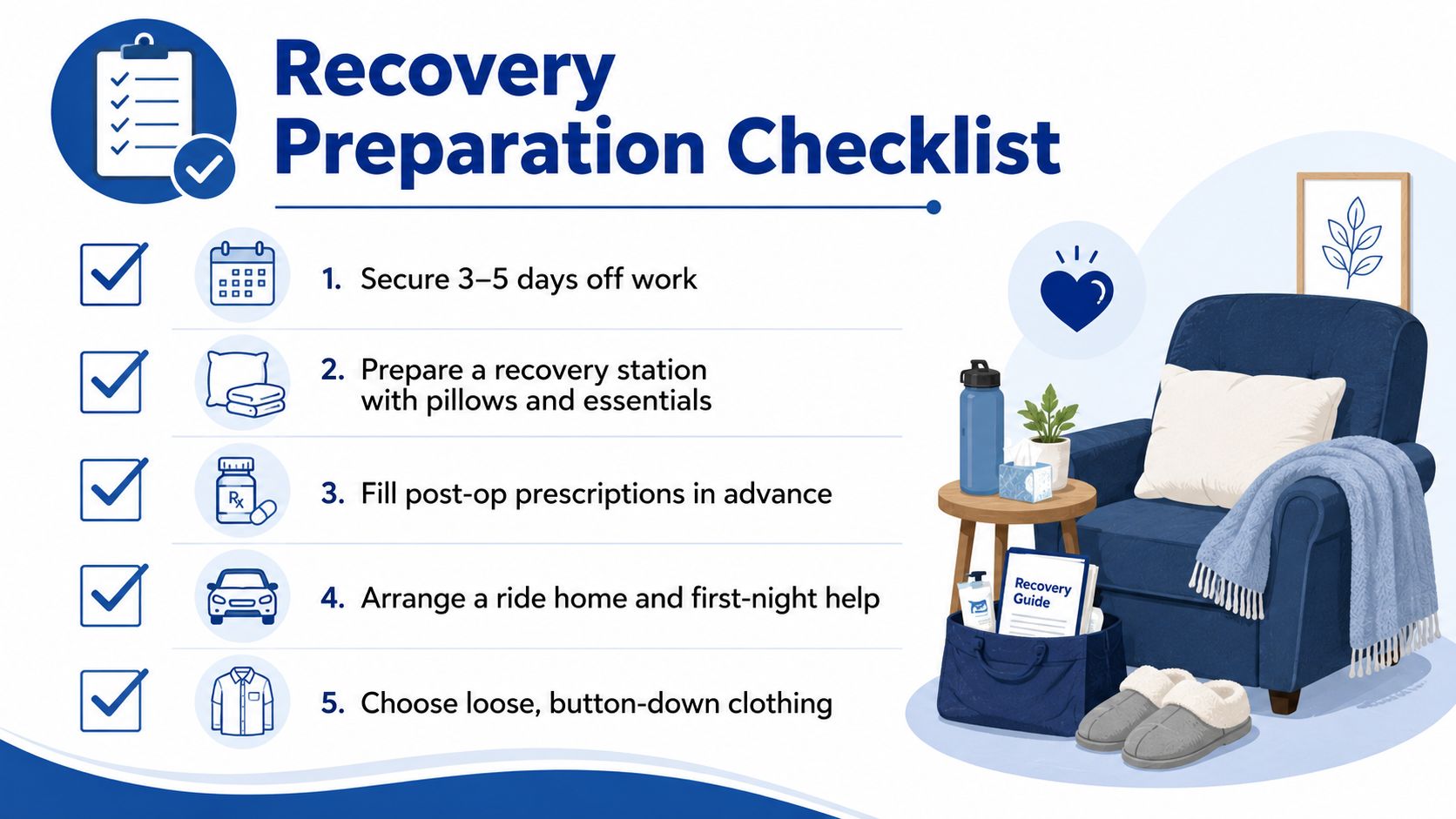
- Arrange medication early: Fill prescriptions before surgery so you aren't searching for supplies while numb, tired, or uncomfortable.
- Set up your recovery area: Place pillows, water, chargers, medications, and easy meals within reach. Upper-body elevation can make resting and standing more comfortable.
- Choose practical clothing: A front-button shirt and loose layers avoid pulling clothing over the chest.
- Plan transportation and support: Arrange a ride home and help with the first night, especially if sedation or general anesthesia is used.
- Protect your schedule: Set aside recovery time and avoid promising an immediate return to strenuous work or exercise.
Don't stop fish oil, vitamin E, aspirin, or anti-inflammatory medication on your own. Some surgeons ask patients to pause blood-thinning supplements or NSAIDs before surgery, but the timing must be individualized around your health, prescriptions, and bleeding risk. Follow the written instructions from your surgical team.
You should also know what would require a call. Increasing pain after improvement, sudden swelling, fever, drainage, or breathing problems isn't something to manage by taking more medication alone. A consultation with a board-certified plastic surgeon is the right place to discuss whether local, tumescent, regional, or general anesthesia fits your procedure and medical history.
Ideal Face & Body offers awake gynecomastia surgery and male chest contouring under local anesthesia, with an individualized plan for numbing, sedation, and recovery support. Visit Ideal Face & Body to learn about the approach and schedule a consultation focused on your anatomy, anesthesia options, and realistic pain expectations.