You may be looking in the mirror and thinking, “This is more than I wanted.” Maybe your clothes fit differently now. Maybe one side settled differently than the other. Maybe the shape looked good early on, but over time it started to feel too full, too heavy, or just not like you.
That feeling is more common than people realize. A Brazilian Butt Lift changes volume, projection, and proportion all at once, so when the result feels off, the problem usually isn't just “size.” It may be shape. It may be symmetry. It may be where the volume sits. For many patients, BBL reduction in Beverly Hills is less about undoing the past and more about refining the result into something balanced.
In an awake-surgery setting, that conversation becomes very practical. Instead of treating revision like a dramatic reset, the focus shifts to contour correction with local anesthesia, careful fat removal, and attention to the exact tissue plane being treated. That last point matters more than most are told. In gluteal revision, where the surgeon works often determines both safety and the final look.
Table of Contents
- Introduction to BBL Reduction in Beverly Hills
- What BBL Reduction and Revision Actually Mean
- Why Patients Seek BBL Reduction After Augmentation
- Surgical and Non Surgical Options for Refining Contour
- Safety Principles Risks and How Technique Lowers Them
- Recovery Timeline Results and Choosing a Beverly Hills Provider
- Your Next Step Toward Balanced Contour With Ideal Face and Body
Introduction to BBL Reduction in Beverly Hills
A lot of patients start here with a quiet kind of frustration. They aren't necessarily saying they regret having a BBL. They're saying the result doesn't fit their frame, lifestyle, or taste anymore.
One patient example captures this well. She liked the idea of roundness but felt her buttocks healed with too much outward fullness through the sides. In fitted clothing, her silhouette looked wider than she wanted. In photos, one side projected more. She didn't want to “remove everything.” She wanted a smoother, smaller, more natural contour.
That's what BBL reduction usually means in real life. It's a revision procedure that reduces excess volume, improves shape, or corrects unevenness after a prior fat-transfer buttock augmentation. For some people, the goal is subtle. For others, it's a bigger reshaping effort.
Why revision is becoming more common
The national pool of patients with prior BBLs has grown dramatically. One published summary reported U.S. BBL procedures rising from 138,321 in 2012 to 1,070,827 in 2022, with a cumulative increase of roughly 675% over a decade, and more than 60,000 gluteal fat grafting procedures reported in the U.S. in 2021 alone, up 37% from 2020 and 731% from 2011.
As the number of primary procedures rises, revision demand rises with it. That's one reason Beverly Hills has become a place where patients look for contour correction, especially when they want a more personalized result rather than a one-size-fits-all look.
A prior BBL doesn't lock you into one shape forever. Revision exists because bodies heal differently, tastes change, and proportion matters.
Why the awake approach changes the conversation
In an office-based, local-anesthesia setting, the discussion often becomes more focused on precision. The surgeon evaluates where the excess fullness sits, whether the issue is broad width versus central projection, and whether skin quality will support reduction smoothly.
That's different from thinking of revision as just “more liposuction.” A thoughtful reduction plan asks better questions:
- Is the main issue excess volume or uneven distribution?
- Has the fat settled predictably or irregularly?
- Will skin retract well after reduction?
- Can correction stay in a safer plane while still improving contour?
In Beverly Hills, CA, patients often want refinement, not exaggeration. That makes awake, contour-driven reduction especially relevant.
What BBL Reduction and Revision Actually Mean
A patient may say, “I want my BBL reduced,” but that request can describe several different contour problems. One person wants less projection. Another wants the same overall size with less width through the hips. Someone else is bothered by one fuller pocket that makes the buttocks look uneven in fitted clothing.
That difference matters because reduction and revision are contour-correction terms, not one single operation.
Reduction is volume change. Revision is shape correction.
A primary BBL adds transferred fat to create more fullness. If you want a refresher on how that original process works, this overview of BBL surgery basics gives useful background.
A reduction usually means removing fat from areas that healed too full. A revision may include reduction, but it can also mean rebalancing shape, smoothing transitions, and correcting asymmetry. In other words, the goal is not always “smaller.” The goal may be narrower, less projected, more even, or more in proportion with the waist and thighs.
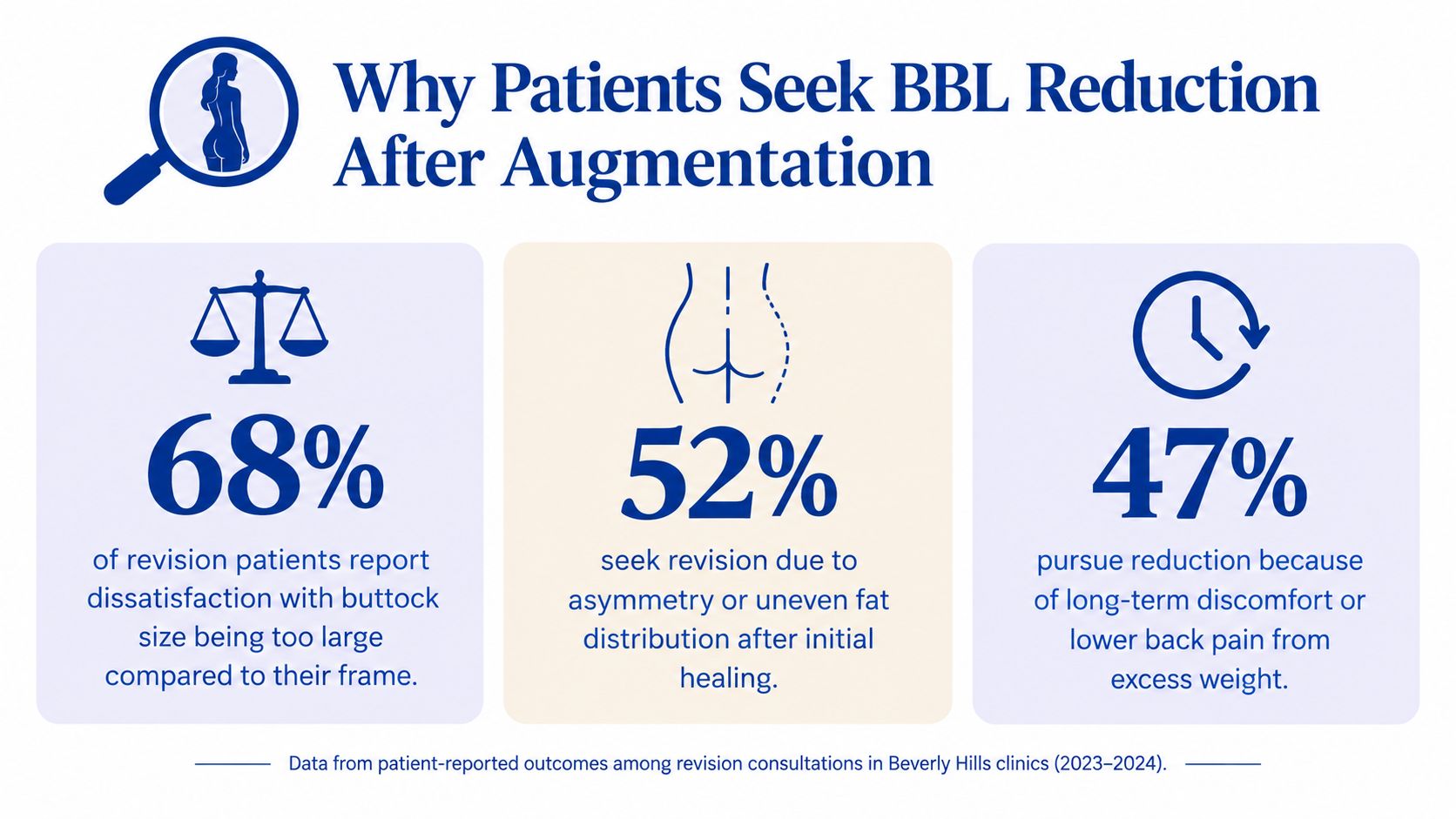
The plane being treated determines both safety and shape
This is the part many patients have never had explained clearly. Fat that can be reduced with awake liposuction sits in the subcutaneous layer, the layer under the skin and above the muscle. That is the workable contour layer. It affects width, projection, and how smoothly the buttock blends into nearby areas.
Muscle is deeper. It is not the target in a proper contour reduction.
That distinction matters for two reasons. First, staying in the subcutaneous plane supports a safer treatment strategy. Second, it determines the final look. Removing fat too broadly can flatten a buttock that only needed side reduction. Removing fat from the wrong surface area can create dips instead of a balanced curve. Good revision planning is less about “how much” and more about “from which exact layer and which exact zone.”
What may be treated during revision
A reduction plan may include one or more of these contour edits:
- Removing excess fullness from overcorrected areas
- Correcting asymmetry when one side healed larger, lower, or rounder
- Refining the transition between the buttocks and the hips, flanks, or lower back
- Smoothing irregular surface contour caused by uneven fat survival or prior liposuction
Patients often assume the buttock itself is the whole problem. In practice, the eye reads the entire frame. A buttock can look too prominent because the lateral hip is too full, the lower back blend is abrupt, or one side projects differently from the other.
Why awake revision changes the planning process
Awake local anesthesia tends to push the conversation toward precision. The surgeon can focus on targeted subcutaneous contouring rather than deep treatment. That fits the job of BBL reduction, which is editing shape in a controlled plane.
A helpful way to understand it is to picture the buttock as an outer contour envelope. Revision changes how that envelope sits over the body frame. If the side pocket is reduced, the buttock may look narrower without looking deflated. If central projection is softened carefully, the profile can look more proportional while upper fullness stays intact.
So “BBL reduction” does not automatically mean reversing the result. It usually means refining where volume sits, how the buttocks blend into the surrounding body, and how to do that while staying in the subcutaneous plane that drives both safety and final shape.
Why Patients Seek BBL Reduction After Augmentation
A patient may look in the mirror and say, “I want this smaller,” then point to the whole area. During consultation, that broad concern usually becomes more specific. One part feels too round in leggings. One side catches the eye first in photos. The lower back-to-buttock transition looks abrupt instead of smooth.
That distinction matters because BBL reduction is contour correction, not just subtraction. The buttock shape works like the outer line of a sculpture. A few millimeters of fullness in one zone can read as “too big,” even when the total volume is not extreme.
What patients usually mean when they ask for reduction
As noted earlier, the revision review identified three recurring reasons patients seek change after augmentation. In real life, patients rarely use technical terms. They describe a daily frustration, a photo they avoid, or clothes that stopped fitting the way they expected.
Residual fullness often sounds like this: “I liked the result at first, but now it feels like too much from the side.” One common scenario is a patient who is comfortable in loose clothing but feels the buttocks project too far in fitted dresses or workout wear. The issue may be central projection, side fullness, or both.
Skin looseness usually shows up after the swelling is gone and the person notices that the outer cover does not drape as tightly as expected. A typical example is someone who feels the buttocks look heavier at the lower pole, especially when standing or walking, even though the concern is not “more fat.”
Asymmetry often becomes obvious in mirrors, photos, or the way fabric sits. A patient may say, “One side drops differently,” or “One cheek looks rounder and the other looks flatter.” That kind of mismatch can come from uneven fat survival, differences in healing, or how the surrounding hips and lower back frame each side.
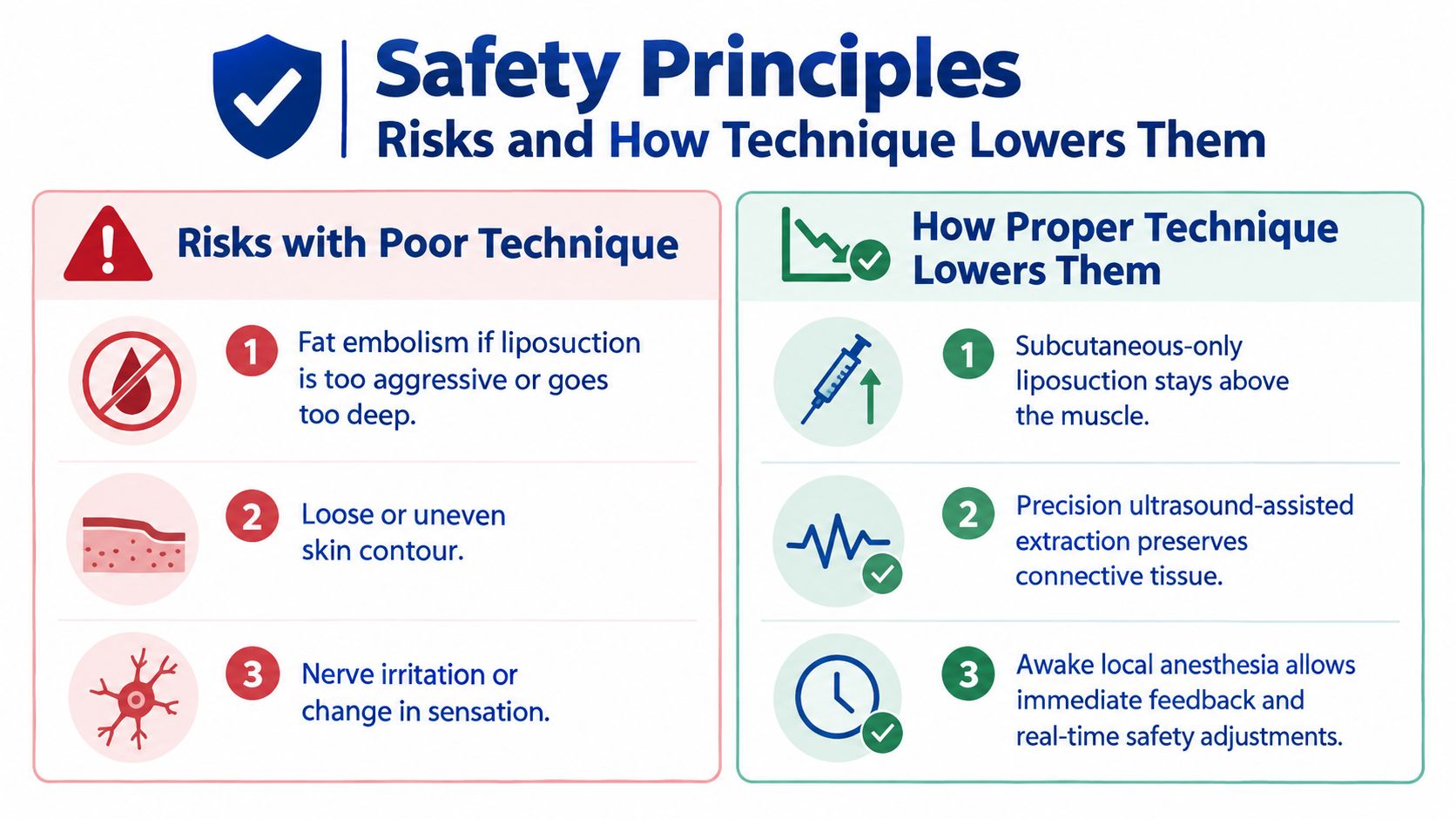
Preferences can change too. A shape that once felt dramatic may later feel out of step with a patient's frame, lifestyle, or taste. That does not mean the original surgery was wrong. It means aesthetic goals can change, and revision planning has to match the current goal rather than the old one.
Why the mirror can be misleading
Patients often assume the buttock mound is the whole problem. The eye does not work that way. It reads the entire border of the area, including the hips, flanks, and lower back.
That is why two patients can both ask for “reduction” and need very different contour edits.
One patient may mainly dislike lateral width. Another may be bothered by lower fullness that makes the shape feel heavy. A third may have adequate volume but poor transitions, so the buttocks look more prominent because the surrounding frame is not balanced.
Under awake local anesthesia, this becomes a very practical planning issue. The surgeon is not trying to chase volume blindly. The job is to identify which subcutaneous zone is creating the unwanted outline and whether changing that specific layer will improve the final silhouette.
Why safety concerns shape the decision
Patients asking about BBL reduction in Beverly Hills are often thinking about two questions at the same time. Can this shape be refined, and can it be done with careful plane control?
That safety question is reasonable. Modern gluteal contour surgery has shifted toward strict attention to treatment plane because the plane determines risk. In reduction work, that same plane awareness also determines shape. Subcutaneous-only contouring is not just a safety rule. It is the layer where the outer contour is edited.
For patients, that translates into a clearer goal. They are not asking for less. They are asking for a more balanced outline, created in the superficial layer that affects what the eye sees and avoids the deeper treatment plane that has raised concern in gluteal surgery.
The useful first step is naming the exact contour problem. Too much projection, too much width, lower heaviness, uneven sides, or a poor transition can all sound like “I'm too big,” but they are not the same revision problem.
Surgical and Non Surgical Options for Refining Contour
A good treatment plan starts by matching the method to the contour problem. If the issue is true excess fat in the buttocks, the direct option is removal from the layer that shapes the outside outline. If the issue is mostly skin texture, mild unevenness, or an early result that is still settling, the answer may be more conservative.
That distinction matters because BBL reduction is contour correction, not making the buttocks smaller. The surgeon is editing the visible shape, much like trimming a raised area in clay while leaving the deeper structure alone. In awake local anesthesia cases, that usually means careful subcutaneous contouring, since the superficial layer is where the outer silhouette is changed.
What surgical refinement can do
Surgical reduction is usually the clearest choice when a patient has too much projection, too much lateral fullness, or lower buttock heaviness after prior augmentation. Targeted liposuction can remove volume from a specific zone instead of flattening the entire area. That zone-by-zone approach often matters more than the total amount removed.
Patients are often surprised by this. Two people can both say, "I feel too big," while needing very different revisions. One may need narrowing through the sides. Another may need reduction in the lower pole so the buttock looks lighter and better supported. A third may need only small reduction in the buttocks and more shaping in the frame around it.
That is why surrounding contour work is often part of the plan. If the flanks, lower back, or hips remain out of balance, reducing the buttocks alone can leave the outline looking abrupt instead of natural. For patients comparing treatment paths after prior surgery, this overview of revision liposuction options gives useful background.
Where non-surgical care fits
Non-surgical treatments have a narrower role.
They may help with skin appearance or small surface concerns in selected patients, but they do not reliably remove enough transferred fat to correct clear overfilling. If volume is the main complaint, non-surgical care usually does not address the actual cause of the shape.
That does not make non-surgical care unhelpful. It means the goal has to match the tool. A finish problem and a volume problem are different revision problems.
BBL reduction options compared
| Approach | Best For | Anesthesia | Consideration |
|---|---|---|---|
| Awake targeted liposuction reduction | Clear excess fullness or overprojection after prior BBL | Local anesthesia | Works best when the main problem is too much volume in a specific subcutaneous zone |
| Combined reduction with surrounding contouring | Buttock fullness plus imbalance in flanks, hips, or lower back | Local anesthesia in selected office-based cases | Often improves transitions and overall proportion more than isolated buttock reduction |
| Skin-focused non-surgical support | Mild concerns about skin appearance after prior contour change | Non-surgical | Does not replace fat removal when size or projection is the main complaint |
| Observation and timing | Early uncertainty while swelling or settling continues | None | Useful when the contour is still changing and revision planning would be premature |
One office-based option patients may encounter in Beverly Hills is Ideal Face & Body, which offers awake contouring methods such as PRECISION SCULPT laser liposculpting and Awake 360 Body Sculpting for selected body-shaping cases.
How to compare the choices
A simple way to sort the options is to ask what your eye notices first. If you notice bulk, projection, width, or lower heaviness first, surgical reduction is usually the more logical path. If you notice small surface polish issues first, supportive treatments may be enough.
The key is specificity. A good consultation should identify which subcutaneous area is creating the unwanted line, how much change is realistic, and whether the frame around the buttocks also needs adjustment. That is how a reduction plan improves both shape and safety under awake local anesthesia.
Safety Principles Risks and How Technique Lowers Them
In gluteal revision, safety doesn't come from a catchy procedure name. It comes from technique. That's especially true when fat is being treated in an area with a well-known safety history.
The plane matters most
The most important safety concept is plane control. For gluteal fat grafting, formal safety guidance states that fat should be placed only in the subcutaneous tissue and not in the muscle because accidental deep placement has been linked to catastrophic fat embolism risk (ASPS gluteal fat grafting safety advisory).
Even in reduction and revision discussions, this principle matters because the surgeon must understand exactly where prior fat sits and how to work conservatively above deeper danger zones. If a patient hears only marketing language and never hears the word “plane,” that's a problem.
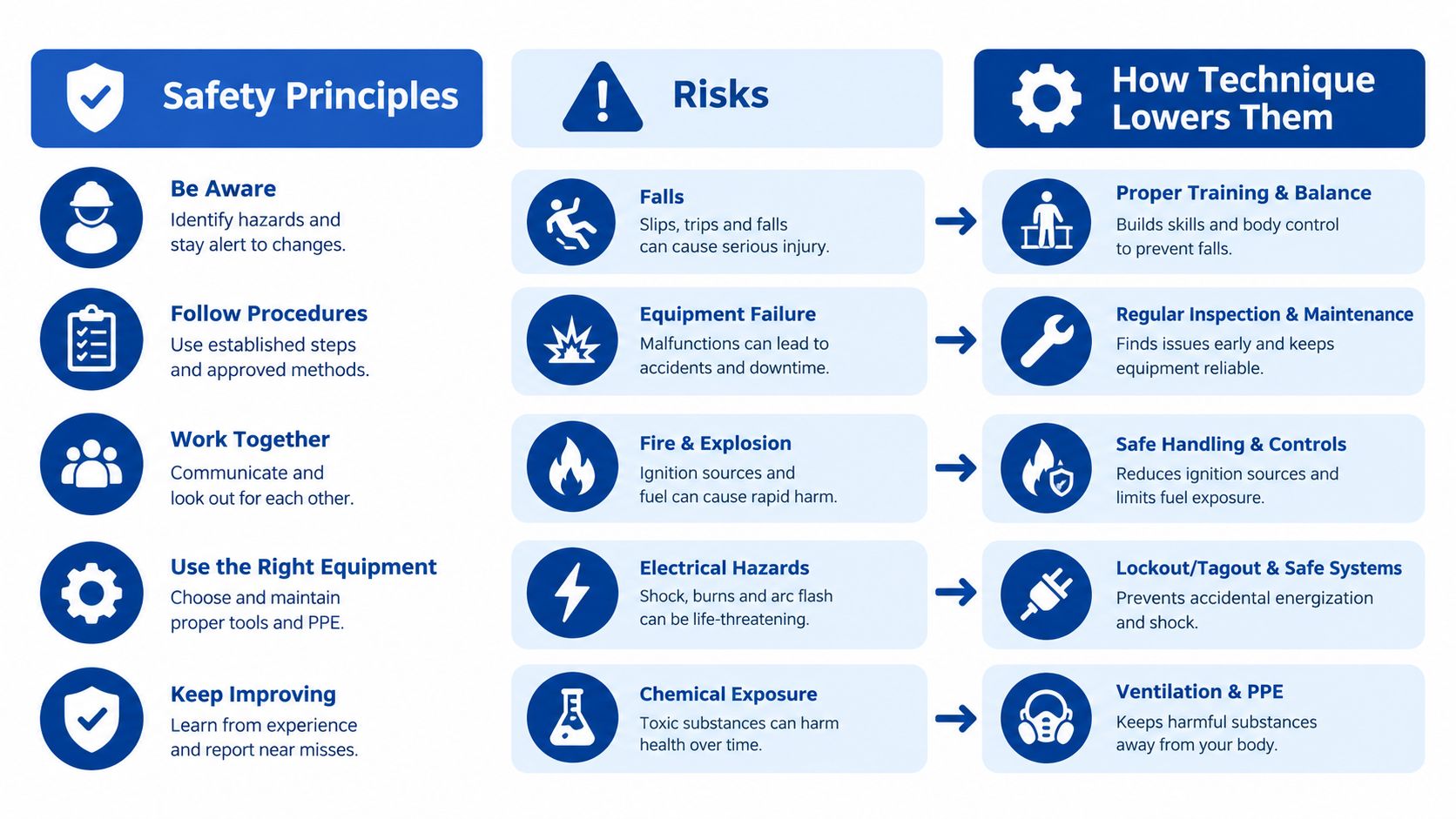
What modern safeguards look like
Independent safety review literature identifies several technical safeguards:
- Use of a blunt cannula of at least 4 mm
- Avoiding downward angulation during injection
- Keeping the cannula in constant motion
The same review also states that the volume of fat grafted has not been found to be associated with fatal or non-fatal pulmonary fat embolism, which is a helpful reminder that technique, not just volume, is the decisive risk factor (technical safeguards in gluteal fat transfer safety review).
That's a key patient takeaway. Bigger isn't automatically the danger. Deeper, poorly controlled technique is.
Ask a very plain question in consultation: “How do you stay in the subcutaneous plane during revision?” A clear answer is more useful than any branding term.
Risks patients should understand clearly
Modern literature also shows that complication profiles include both minor and major issues. A 7,000-case retrospective BBL series found roughly 70% fat-graft survival with mean injection volumes of 1,200 cc per buttock, while strict subcutaneous-only placement and multimodal thromboembolism prophylaxis were associated with zero pulmonary fat embolism, fat embolism syndrome, DVT, or PE events in that series. Minor complications still occurred, including seroma at 23%, anemia at 6.6%, and fat necrosis at 1.9% (7,000-case BBL series).
A broader 2025 systematic review of 22,151 patients reported pooled minor complication rates of 3.58%, seromas at 2.03%, contour irregularities at 2.29%, and pulmonary embolism at 0.04%, while ultrasound-guided fat grafting had lower major and minor complication rates than non-guided techniques. A separate 2025 review of intramuscular fat grafting reported a pooled complication rate of 6.2% and cited fat embolism mortality of 1:3000 for intramuscular gluteal fat grafting (systematic review on complication rates and ultrasound guidance).
That sounds like a lot of data, but the clinical meaning is simple:
- Minor issues still happen, even when major safety is emphasized.
- Technique changes outcomes.
- Ultrasound guidance and strict plane control matter.
Recovery Timeline Results and Choosing a Beverly Hills Provider
You wake up the next morning, look in the mirror, and the shape looks unfamiliar. That early view can be misleading. After BBL reduction, swelling acts like a temporary layer over the contour, so the area often feels firm or tight before the new outline becomes easy to read.
That timing matters even more in revision work. In reduction, the goal is not to make the buttocks smaller. The goal is to correct shape in a controlled tissue plane so width, projection, and side-to-side balance improve together. With awake local anesthesia, patients also avoid the grogginess that many people associate with general anesthesia, but recovery habits still shape the result.
What recovery usually feels like
Soreness, swelling, and pressure are common early on. Some patients also notice that sitting, bending, or changing position makes the area feel more aware of itself. That does not always mean something is wrong. It often means the tissues are settling after precise contour work.
A simple way to picture it is clay after careful sculpting. The form has changed, but the surface still needs time to relax and show the final lines clearly.
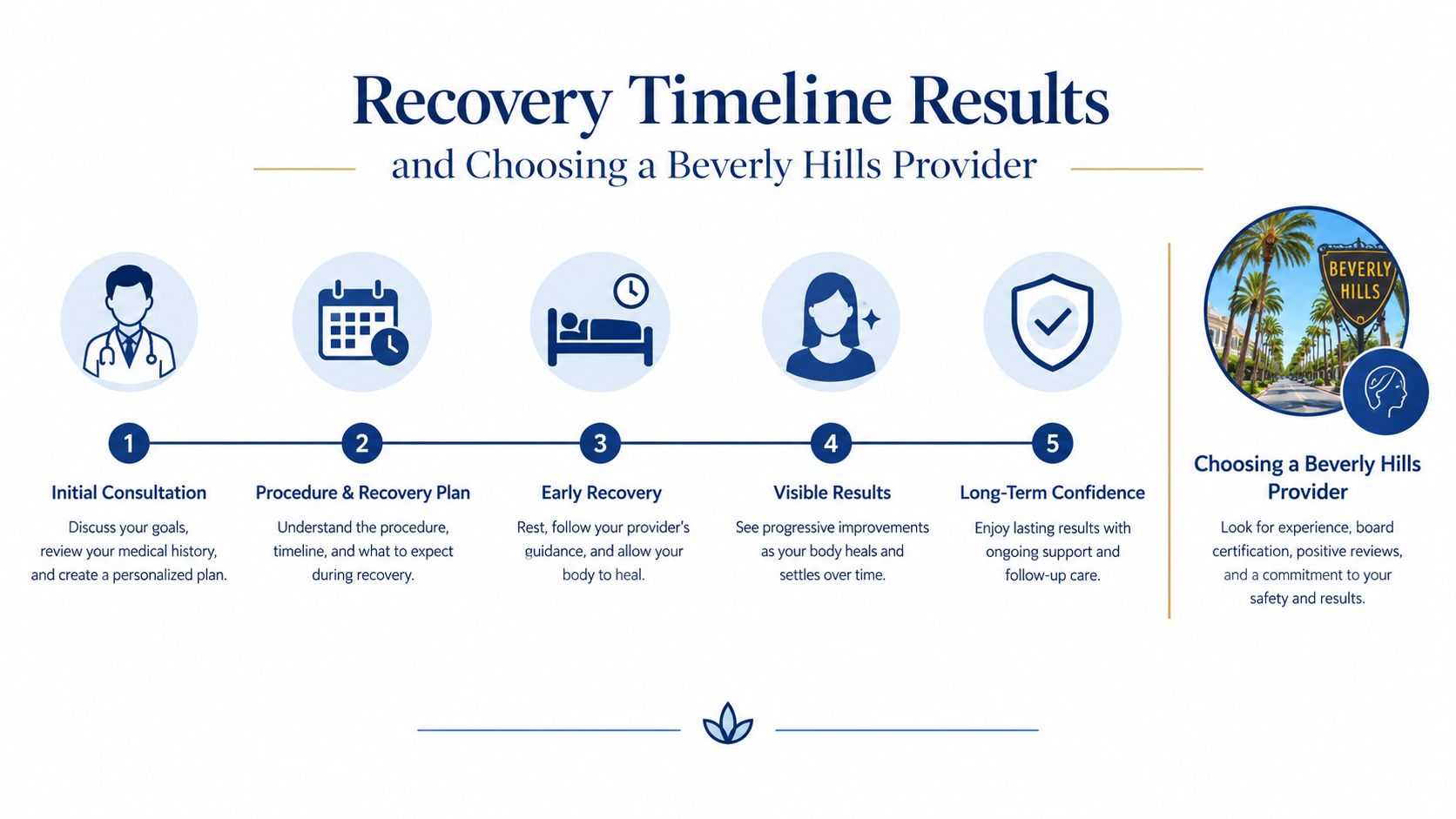
Garments, position changes, walking, and follow-up visits all have a purpose. They help limit excess swelling, support the healing tissues, and give your surgeon a chance to check how the contour is settling. For a practical comparison point, this guide to fat transfer to buttocks recovery can help you understand how healing after augmentation differs from healing after reduction or revision.
When results start to look reliable
Recovery usually makes more sense in stages.
In the first stage, swelling can hide fine contour improvement. A buttock that already has less bulk may still look rounded or uneven because the skin and fatty layer are holding fluid.
In the middle stage, the larger shape changes become easier to see. Excess side fullness may look softer. Projection may look more proportional. Clothing fit often starts to make more sense here, even before the mirror gives a fully settled picture.
Later, the surface transitions become clearer. Subcutaneous-only contour work matters to the final look. If reduction was performed with careful control in the fat layer above the muscle, the surgeon can refine where fullness stays, where it tapers, and how the buttock blends into the hips and lower back. Safety and shape are tied together here. The same plane-specific control that lowers deep-plane risk also helps produce a more deliberate outline.
Patience helps. Early healing shows volume changes. Later healing shows contour judgment.
How to choose a Beverly Hills provider
Revision work calls for a different kind of consultation than a first-time body contour procedure. You want a surgeon who can explain where the excess volume sits, which tissue plane will be treated, and what degree of change your skin can show after it redrapes.
A useful consultation should answer practical questions such as:
- Is the problem mainly projection, lateral fullness, lower buttock weight, or asymmetry?
- Can correction stay in the subcutaneous plane?
- How will awake local anesthesia affect the surgical plan and recovery instructions?
- Will surrounding areas need refinement so the reduced buttock matches the rest of the frame?
- What result is realistic once swelling resolves and the skin settles?
Before-and-after photos should also be read carefully. Look for consistency in side view, back view, and the transition from waist to hip to buttock. A good result is not only smaller. It looks balanced from multiple angles.
In Beverly Hills, many patients benefit from choosing the provider who teaches clearly, maps the contour problem precisely, and explains how plane-specific technique affects both safety and final shape.
Your Next Step Toward Balanced Contour With Ideal Face and Body
You may already know the feeling. You turn to the side, look in the mirror, and the issue is not your whole body. It is one contour line that feels off. The buttock projects more than you want, the outer curve feels too wide, or one side catches your eye first. BBL reduction in Beverly Hills is often about correcting that line with precision, not starting your body shape over.
The next step is a consultation that translates a visual concern into a surgical plan. In awake contour correction, that plan should identify where the fullness sits, how much change the skin can show after redraping, and whether the correction can stay in the subcutaneous layer. That last point matters because the treatment plane affects both safety and the final outline. In simple terms, the same layer that allows controlled fat reduction also helps the surgeon refine the visible shape from the waist, hips, and lower back into the buttock.
Small adjustments can change the whole silhouette.
Dr. Justin Yovino and Dr. Sarah Yovino approach body contouring through an office-based, local-anesthesia model in Beverly Hills, CA. For patients considering BBL reduction Beverly Hills options, that can offer a clear setting for discussing awake revision liposuction, tissue plane, and realistic contour goals without rushing past the details.
It helps to come prepared. Bring photos that show the angle or area bothering you most. Bring any records you have from your original procedure. If you are unsure whether the problem is volume, asymmetry, skin laxity, or the way nearby areas blend together, say that plainly. A good consultation should sort that out step by step.
You should leave with specific answers. What can be reduced. What may need reshaping around it. Whether the plan stays subcutaneous only. What degree of improvement fits your anatomy. That kind of clarity often brings relief before treatment even begins, because the problem finally has a map.
If you're considering contour correction after a prior buttock fat transfer, Ideal Face & Body offers awake, office-based evaluation and treatment planning focused on proportion, revision liposuction, and plane-specific safety. You can explore the practice approach and request a consultation through Ideal Face & Body.