Buccal Fat Pad Reduction: What to Expect Before and After
What It Really Means to Remove Buccal Fat (And Whether It’s Right for You)
Deciding to remove buccal fat is one of the most effective ways to slim the lower cheeks and bring out your natural bone structure — but it’s not the right move for everyone.
Here’s a quick overview of what the procedure involves:
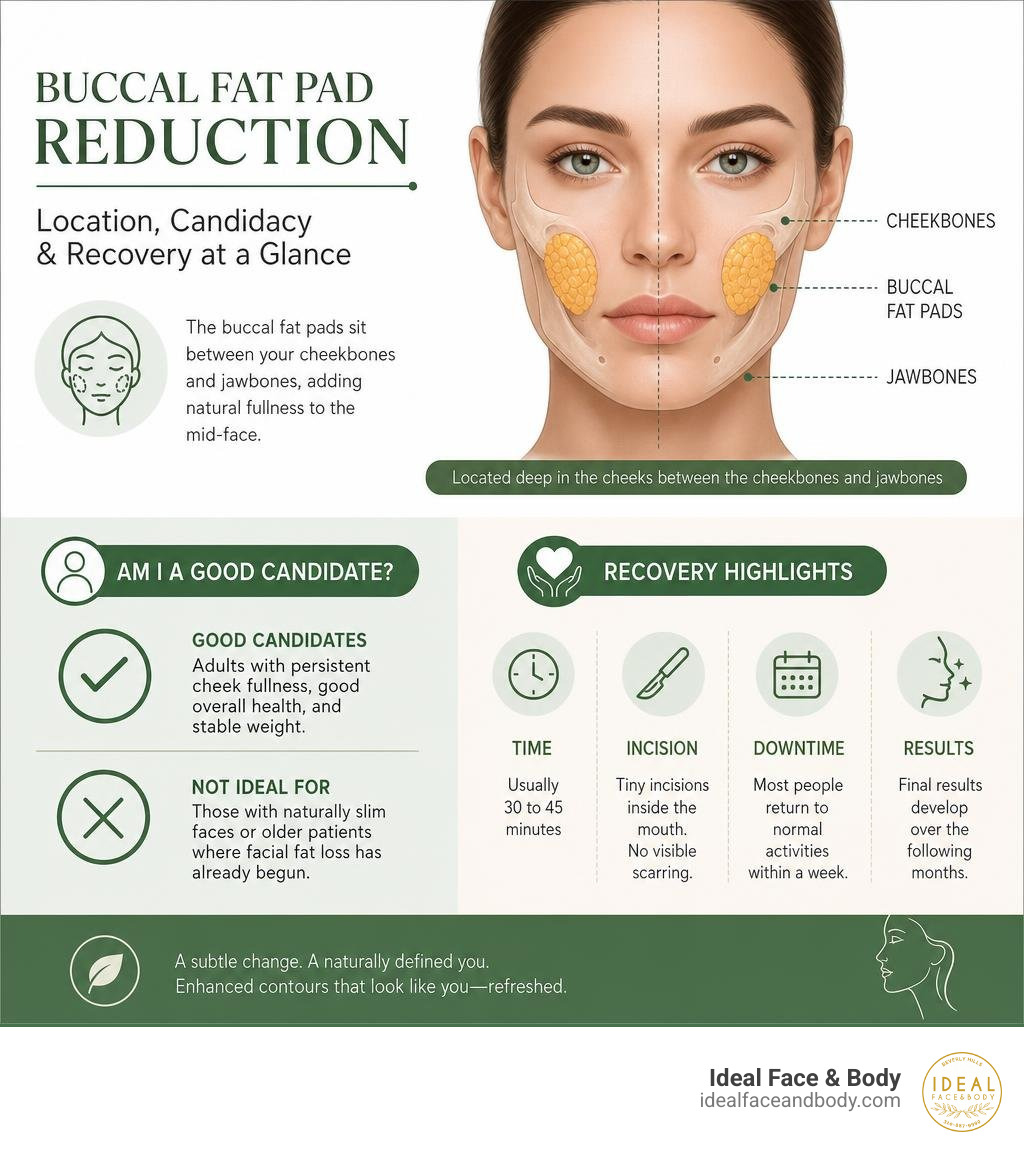
- What it is: A short surgical procedure that removes the buccal fat pads — small, walnut-sized pockets of fat sitting deep inside each cheek
- How it’s done: Tiny incisions inside the mouth, no visible scarring
- Time: Usually 30 to 45 minutes under local anesthesia
- Recovery: Most people return to normal activities within a week; final results take a few months
- Best candidates: Adults with persistent cheek fullness, good overall health, and stable weight
- Not ideal for: People with naturally slim faces or older patients where facial fat loss has already begun
The buccal fat pad sits between your cheekbones and jawbones. It gives the face its natural fullness — but for some people, those pads are simply larger, creating a rounder or “baby face” look that doesn’t respond to diet or exercise.
That’s the core reason people seek this procedure: the fullness isn’t about weight — it’s about anatomy.
I’m Dr. Sarah Yovino, a double board-certified master injector and non-surgical aesthetics specialist at Ideal Face & Body in Beverly Hills, CA, and I work closely alongside surgical colleagues who remove buccal fat as part of comprehensive facial contouring plans. In this guide, I’ll walk you through everything you need to know to make a confident, informed decision.
Easy remove buccal fat word list:
Understanding Buccal Fat Pad Reduction vs. Cheek Liposuction
When people talk about facial slimming, they often confuse buccal fat pad reduction with cheek liposuction. However, from an anatomical standpoint, these two procedures target entirely different layers of the face.
The facial anatomy consists of several distinct layers of tissue. Subcutaneous fat lies directly beneath your skin. This is the pinchable fat that covers most of your body. When we perform cheek liposuction, we use a very thin tube called a cannula to gently vacuum out this superficial fat.
In contrast, the buccal fat pad is a encapsulated, walnut-sized pocket of deep fat located beneath the buccinator muscle (the muscle you use to blow out your cheeks or play a brass instrument). Because of its deep location and fibrous capsule, we cannot suction it out with liposuction. Instead, to remove buccal fat, a surgeon must physically excise the pad through a small incision inside the mouth.
Understanding this anatomical difference is key to choosing the right treatment for lower cheek fullness. To help clarify, we have put together a comparison table:
| Feature | Buccal Fat Pad Removal | Cheek Liposuction |
|---|---|---|
| Fat Target | Deep, encapsulated buccal fat pad | Superficial, subcutaneous fat |
| Anatomy Location | Beneath the buccinator muscle | Directly under the skin |
| Surgical Approach | Intraoral incision (inside the mouth) | Tiny external puncture or hidden skin incision |
| Method | Manual excision of the fat pad | Suction via a specialized cannula |
| Ideal Candidate | Individuals with genetic “chipmunk cheeks” | Individuals with generalized superficial facial fat |
| External Scarring | None | Virtually none (micro-incisions heal invisibly) |
If you want to dive deeper into how this procedure helps you transition away from a rounder facial profile, you can read our detailed article, Bye Bye Baby Face: A Guide to Buccal Fat Removal. For a broader overview of cheek reduction and recovery expectations, the Cleveland Clinic offers an excellent resource on Buccal Fat Removal: What It Is, Recovery & Before & After.
Who is a Good Candidate to Remove Buccal Fat?
Not everyone who desires a more sculpted face is an ideal candidate to remove buccal fat. Because this procedure permanently removes volume from the mid-to-lower face, patient selection requires an artistic and highly analytical eye.
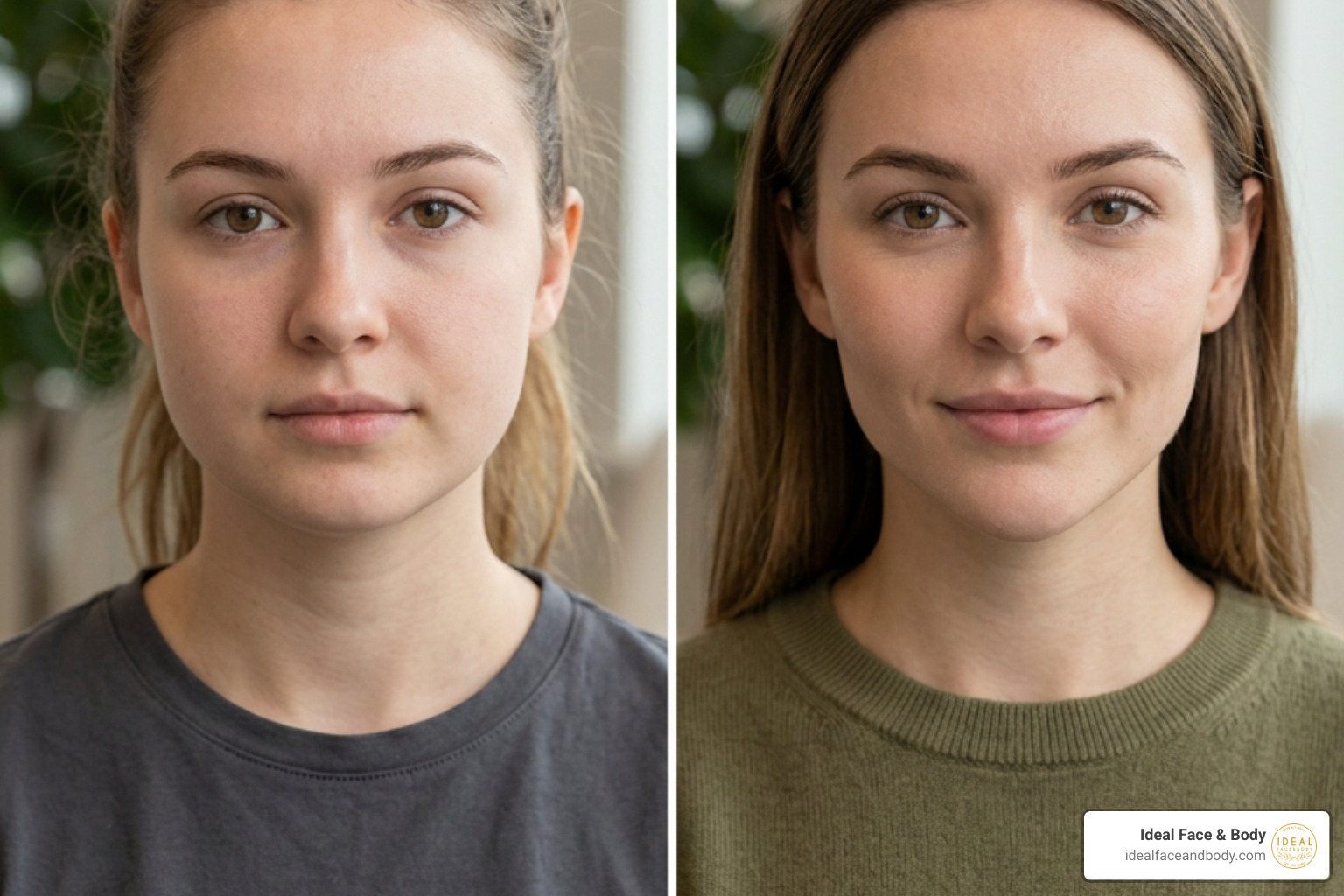
A good candidate profile typically includes individuals who:
- Are bothered by a persistent “baby face” or “chipmunk cheek” appearance that does not change with diet or weight loss.
- Have prominent, strong cheekbones that will be beautifully highlighted once the surrounding fullness is reduced.
- Are in good overall physical health and maintain a stable, healthy weight.
- Are non-smokers (or are willing to stop smoking well in advance of the procedure to ensure proper healing).
- Have realistic expectations about achieving a subtle, elegant contour rather than an extreme, hollow transformation.
Gender also plays a role in how we customize this procedure. Men often seek this surgery to achieve a more chiseled, masculine jawline and sharper angles. You can learn more about how we tailor this treatment for male patients in our resource on Buccal Fat Removal for Men.
Age is another critical factor. We generally advise patients to wait until they are at least 18 to 20 years old. During puberty and early adulthood, your facial structure is still maturing, and the face naturally loses baby fat. Removing this fat too early can disrupt your natural development. You can explore these age-specific recommendations in our guide on Buccal Fat Removal Age Guidelines.
Who Should Avoid the Procedure?
We strongly advise against this procedure for certain individuals. If you have a naturally narrow, thin, or angular face, removing these deep fat pads can make you look prematurely aged, gaunt, or sickly.
Older patients with significant skin laxity or pre-existing volume loss should also avoid it. As we age, we naturally lose facial fat and bone density. Preserving your buccal fat is often crucial to maintaining a youthful, lifted appearance. Over-reduction in mature patients can lead to severe aesthetic dissatisfaction. To understand the emotional and physical impact of poor candidacy, read our guide on Buccal Fat Removal Regret.
Non-Surgical Alternatives to Remove Buccal Fat
If you are not a candidate for surgery, or if you simply prefer to avoid incisions, there are several highly effective non-surgical options to achieve a slimmer facial appearance.
At our Beverly Hills, CA practice, we often use neuromodulators (like Botox) to relax the masseter muscles. When these chewing muscles are enlarged due to teeth grinding or clenching, they widen the jawline. Relaxing them creates a beautiful, tapered facial slimming effect.
Additionally, lifestyle adjustments, targeted skincare, and non-invasive skin-tightening treatments can make a dramatic difference. For practical tips on contouring your face without surgery, check out our articles on How to Lose Weight in Your Face Naturally and Buccal Fat Removal Naturally.
Surgical Journey: Procedure, Recovery, and Long-Term Aging
Embarking on a surgical journey requires a clear understanding of what happens behind the scenes. When performed by a qualified specialist, this procedure is incredibly straightforward, safe, and highly rewarding. To weigh the benefits against the potential drawbacks, we encourage you to read our balanced analysis of Buccal Fat Removal Pros and Cons as well as our overview of the Benefits of Buccal Fat Removal.
Surgical Techniques to Remove Buccal Fat
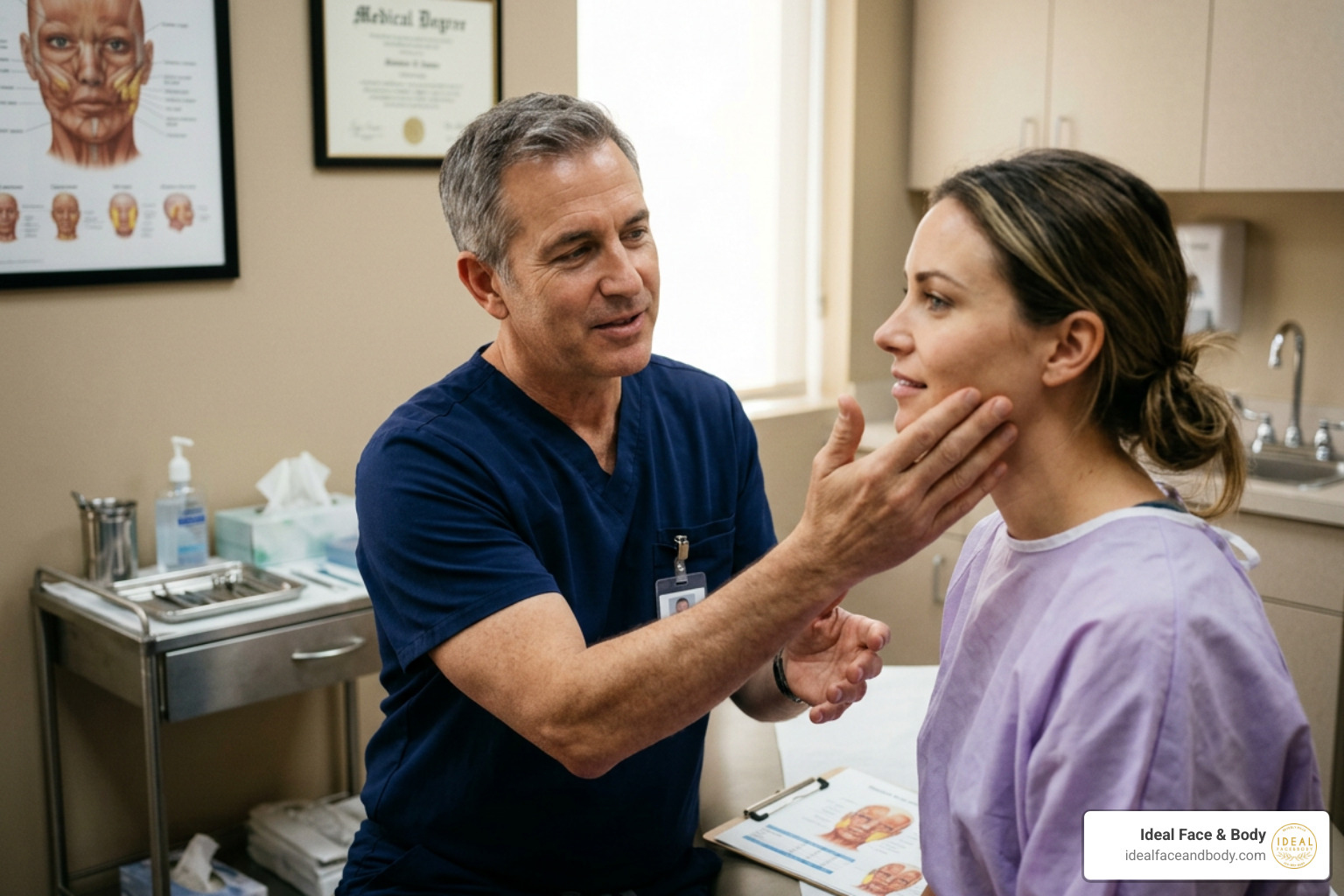
At Ideal Face & Body in Beverly Hills, CA, we prioritize patient comfort and safety. The procedure is typically performed in-office under local anesthesia, meaning you are awake, comfortable, and completely numb throughout the process.
First, Dr. Justin Yovino makes a tiny, 2 cm incision inside the cheek, near the upper molars. Because the entire procedure is performed through these intraoral incisions, there is absolutely no external scarring.
Through this small opening, the surgeon gently teases out the buccal fat pad. Using precise surgical instruments, the desired amount of fat is clamped, excised, and removed. The remaining tissue is then secured, and the incision is closed with dissolvable sutures that naturally break down over the following week. The entire process takes about 30 to 45 minutes.
To see real, transformative outcomes from our Beverly Hills, CA office, view our Buccal Fat Removal Before and After Gallery and learn more about our approach on our main page for Buccal Fat Removal in Beverly Hills, CA.
Recovery Timeline and Aftercare
The recovery after cheek reduction surgery is surprisingly quick, but it does require patience as your tissues heal.

Here is what you can expect during your recovery:
- Days 1–3: Swelling will peak during this time. Your cheeks might look even rounder than they did before surgery—this is completely normal! We recommend keeping your head elevated and using cold compresses to manage the swelling.
- Week 1: Most patients can return to work and light daily activities. You will need to follow a soft food diet to avoid irritating the healing incisions and use a special medicated mouthwash after meals to prevent infection.
- Weeks 2–3: The initial healing phase is usually complete within three weeks. The incisions inside your mouth will close, and the dissolvable stitches will disappear.
- Months 2–6: While you will see a noticeable change early on, it takes several months for the residual deep swelling to fully resolve and for your skin to shrink-wrap around your new, sculpted facial contours.
For more detailed guidance on planning your recovery, read our breakdown of Buccal Fat Removal Downtime.
Long-Term Results and Facial Aging
The results of buccal fat pad extraction are permanent. Once these specific fat pads are removed, they do not grow back. However, it is essential to consider how your face will age over time.
As we get older, we naturally lose collagen, muscle tone, and subcutaneous fat. This natural volume loss causes the face to narrow and elongate. If too much buccal fat is removed during your youth, this natural aging process can eventually make your face look overly hollow or gaunt.
To prevent this, Dr. Justin Yovino takes a conservative, artistic approach, removing only the precise amount of fat needed to balance your current features while protecting your future facial harmony. For more medical insights on how facial fat behaves over time, refer to the Harvard Health article on Buccal fat removal: What to know about cheek reduction surgery and nonsurgical ways to lose facial fat. If you are trying to decide between a surgical volume reduction and a lifting procedure, our article Snatched or Saggy: Choosing Between Buccal Fat Removal and a Facelift offers valuable guidance.
Frequently Asked Questions About Buccal Fat Removal
Can buccal fat come back after it is removed?
No, buccal fat does not come back. The buccal fat pad is a distinct, encapsulated structure. Once it is surgically excised, those specific fat cells are gone permanently. However, if you experience significant weight gain in the future, the remaining subcutaneous fat cells in your face and body can still expand, which may alter your overall facial appearance. To learn more about this topic, read our FAQ on Can Buccal Fat Come Back?.
How much does buccal fat removal cost?
Because this is a highly customized cosmetic procedure, the cost varies widely based on several factors. These factors include the surgeon’s experience, the geographic location of the practice, the facility fees, and whether the procedure is performed under local anesthesia or general anesthesia.
To get an accurate, personalized estimate tailored to your unique anatomical needs, we recommend scheduling a private consultation. You can read more about what goes into the pricing on our dedicated page: Schedule a Consultation to Discuss Buccal Fat Removal Cost.
How do I choose a qualified surgeon in Beverly Hills, CA?
Choosing the right surgeon is the most critical step in your aesthetic journey. Because the buccal fat pad sits near delicate facial nerves and salivary glands, this procedure requires a deep, expert knowledge of facial anatomy.
When searching for a surgeon in Beverly Hills, CA, always look for a board-certified plastic surgeon who has extensive, proven experience in facial contouring. At Ideal Face & Body, Dr. Justin Yovino brings years of rigorous training and board-certified expertise to every procedure, prioritizing patient safety, natural symmetry, and long-term aesthetic harmony.
Conclusion
Achieving a beautifully contoured, balanced face is all about understanding your unique anatomy and choosing the right approach. Whether you are looking to remove buccal fat for a more defined jawline, or you want to explore non-surgical facial slimming options, we are here to guide you every step of the way.
At Ideal Face & Body in Beverly Hills, CA, we specialize in advanced surgical and non-surgical treatments, including our signature “Precision Sculpt” awake procedures. We believe in refining your natural features with artistry and precision so you can look and feel your absolute best.
Ready to take the next step toward your aesthetic goals? Schedule a Consultation to Discuss Buccal Fat Removal Cost with us today.